Night shift: Lake County’s nocturnal neighbors

Post by Brett Peto

This article appears in the fall 2025 issue of Horizons, the award-winning quarterly magazine of the Lake County Forest Preserves in northern Illinois.


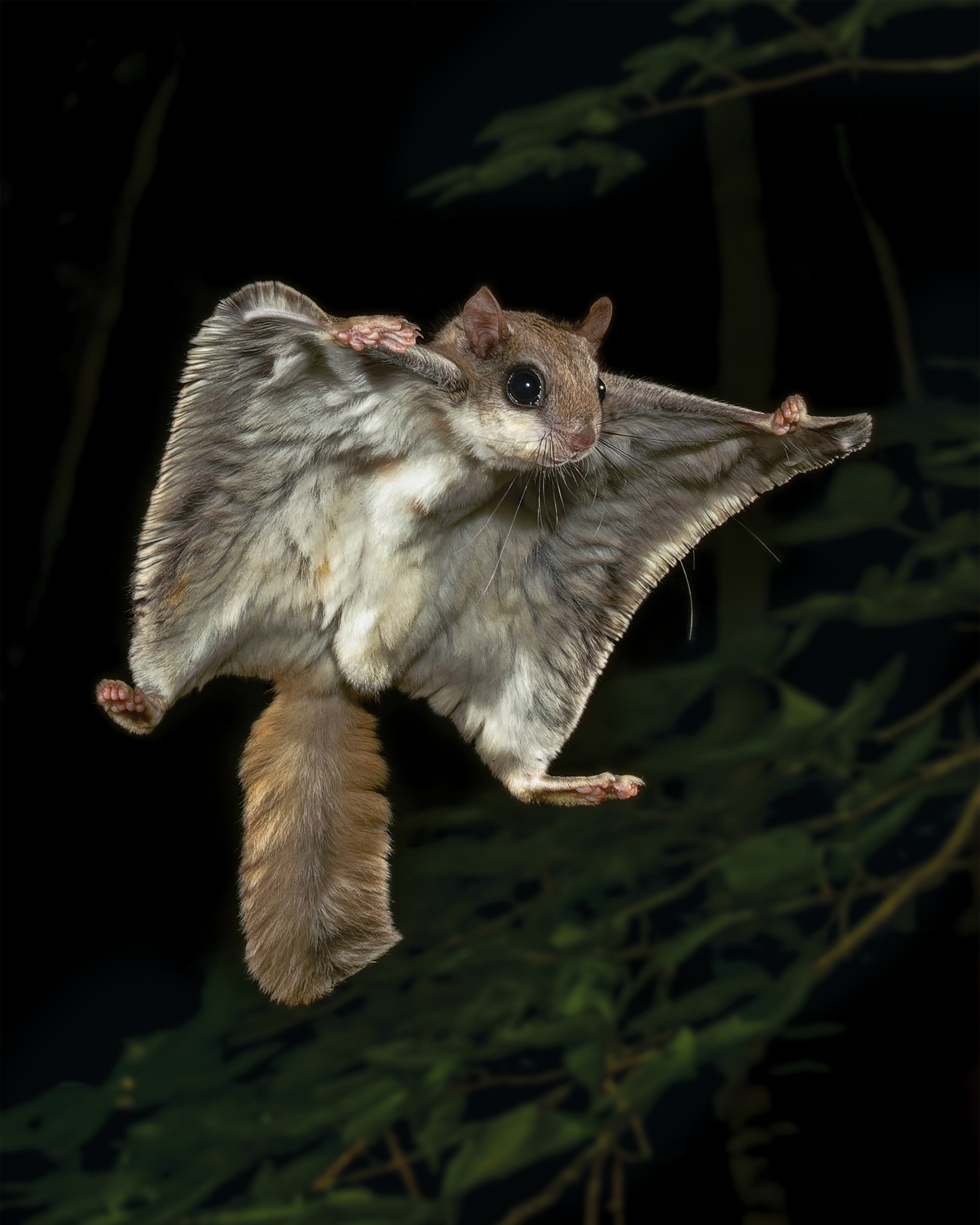
A southern flying squirrel (Glaucomys volans) glides gracefully across the nighttime sky. Weighing only 1–3 ounces, this small, nocturnal mammal uses loose skin like a wing-suit to stay aloft. The species is native to North America—including Lake County—and Central America.

When you settle into bed for the evening, another world awakens. Flying squirrels launch between trees, bats emerge from roosts and owls begin their silent hunts.

Your forest preserves provide the food, water, shelter and darkness these animals need during their night shifts. Despite their abundance and proximity, our nocturnal neighbors can seem mysterious. The dark obscures their unique activities.

Let’s peek behind the curtain.

Continue reading

Step into serenity with forest bathing

Guest post by Kim Mikus

This article appears in the summer 2025 issue of Horizons, the award-winning quarterly magazine of the Lake County Forest Preserves in northern Illinois.


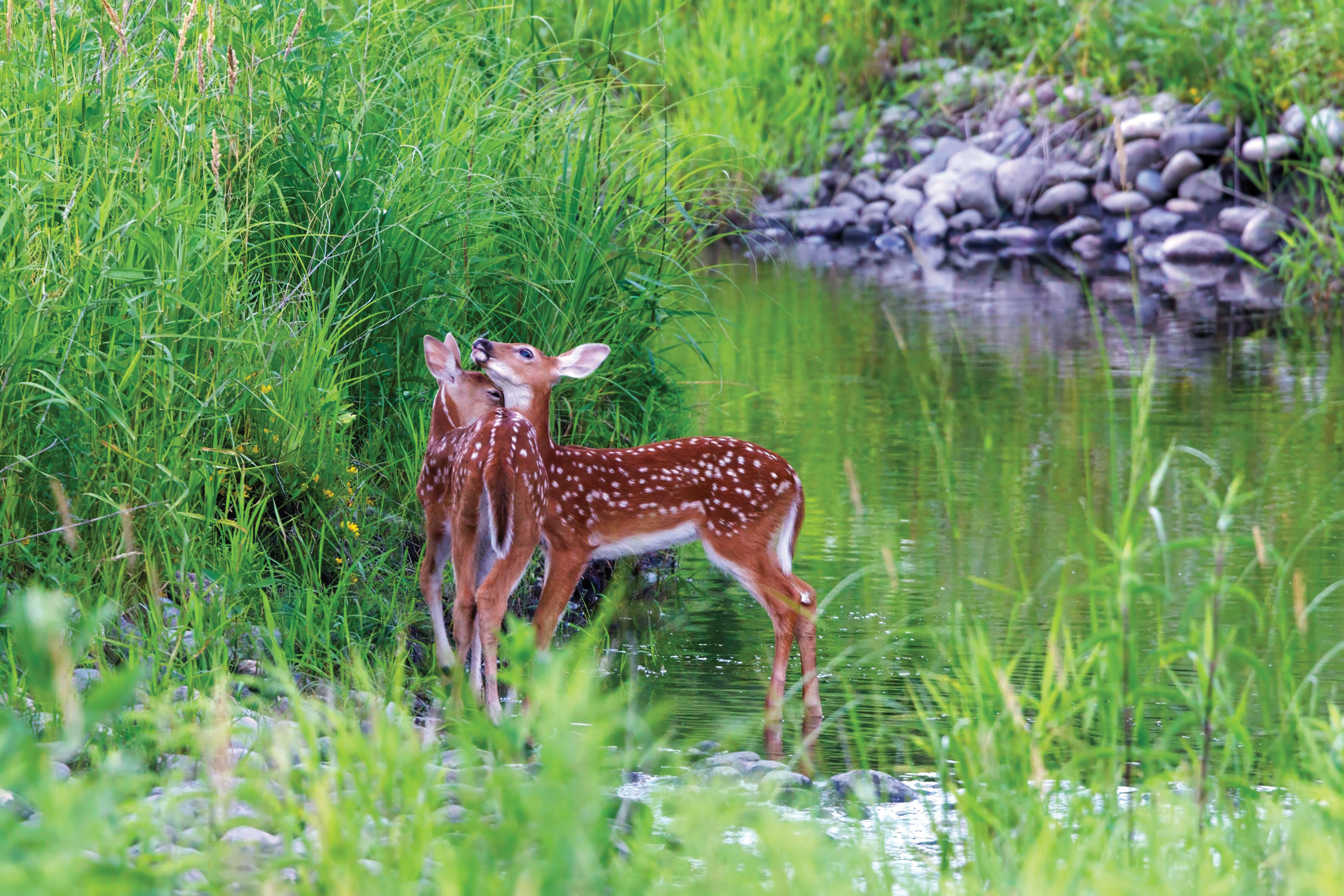
Photographer Dahai Zang snapped a fairytale scene at Buffalo Creek in Long Grove. These two white-tailed deer (Odocoileus virginianus) fawns sport hundreds of white spots on their rusty-brown coats. The markings help them blend into sun-dappled forests and meadows.

Imagine stepping into the woods, leaving behind the noise and stress of daily life. As you pause and breathe, a sense of calm takes over. There’s no rush or destination, only the soothing quiet of the woodland. Welcome to forest bathing, a practice that invites you to reconnect with yourself and nature.

Forest bathing, also called shinrin-yoku or forest therapy, involves immersing yourself in the outdoors—not through exercise or hiking, but by simply being present in the natural world. Its roots stretch back to a 1980s-era effort launched by Japan’s Ministry of Agriculture to help the country’s population reduce stress and improve health.

Forest bathing doesn't require equipment. Just a picnic blanket will do.
Forest bathing doesn’t require equipment. Just a picnic blanket will do.
Continue reading

Unraveling the science of habitat restoration

Guest post by Kim Mikus

This article appears in the summer 2024 issue of Horizons, the award-winning quarterly magazine of the Lake County Forest Preserves in northern Illinois.


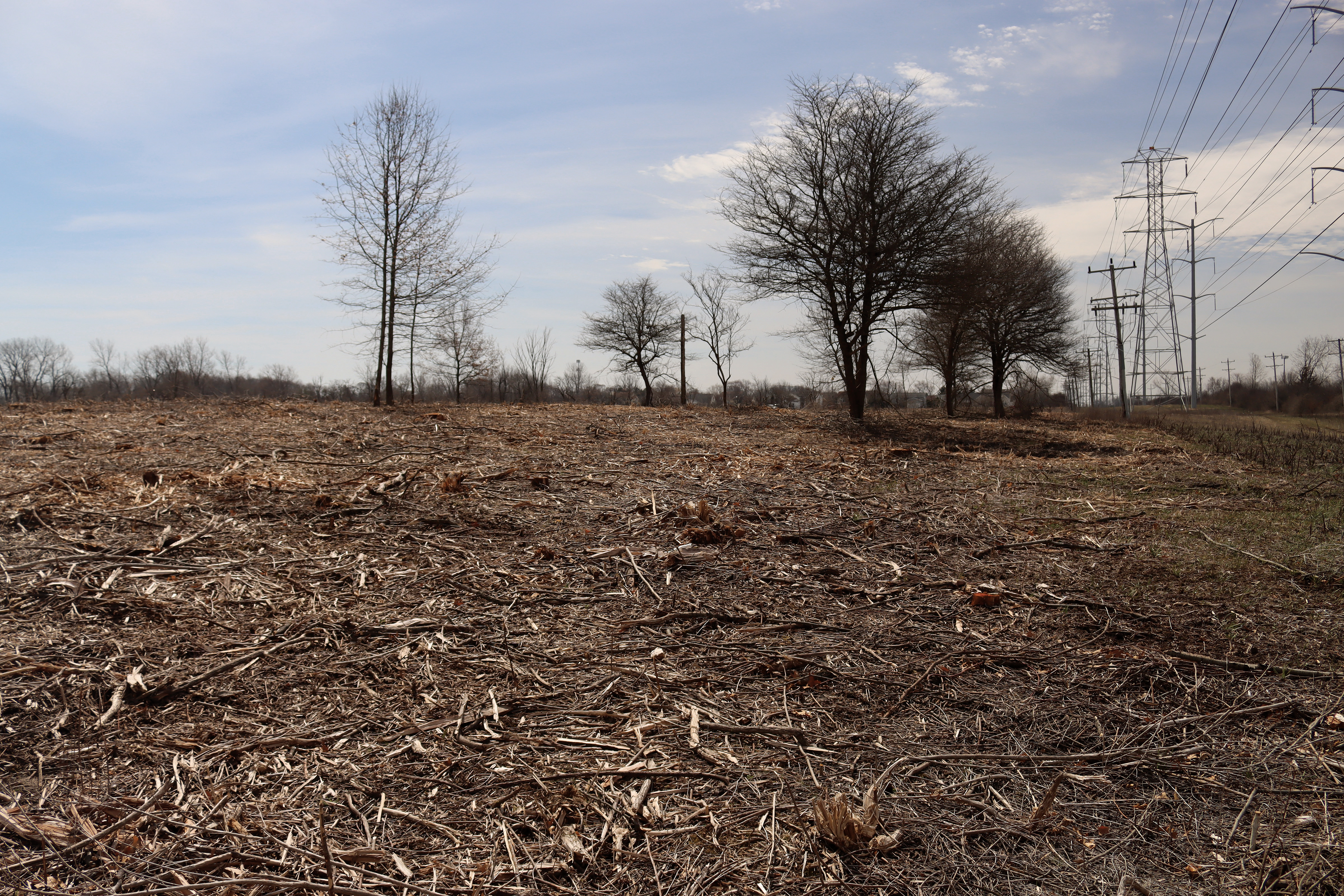
From a young age, we’re often taught that planting trees is good for the environment. So, why do we see large areas of trees sometimes removed from your forest preserves, leaving the land temporarily ragged and brown?

The answer is habitat restoration, a sequence of land management activities that improve the health, ecological function and diversity of species at a particular site, according to ecologists at the Lake County Forest Preserves. Sometimes that process involves removing non-native, invasive trees and other species.

During restoration efforts, you may see dramatic visual differences.

Two images showing a 40-acre area at Greenbelt Forest Preserve (North Chicago) during and after restoration.
Continue reading

Enjoy the hooting season

Post by Jen Berlinghof

In February, sensational sunrises and sunsets break up the stark days and cold, dark nights of a waning winter. Dawn and dusk not only bring the thrill of color to a monochrome landscape, but also the best chance of hearing and seeing nocturnal raptors. As the mercury drops, owl courtship heats up. While many other birds head south for winter, owls pair up and hunker down. At night, the soundtrack of our resident species’ hoots and hollers fills the Lake County Forest Preserves in northern Illinois, offering us a glimpse into an otherwise hidden world.

Winter is a time of snow, beautiful sunsets—and mating season for local owls. Photo © John D. Kavc.
Winter is a time of snow, beautiful sunrises and sunsets—and mating season for local owls. Photo © John D. Kavc.
Continue reading

What’s wrong with this picture?

Editor’s note: hey readers, Brett Peto here. This month, guest author Pati Vitt, Manager of Restoration Ecology at the Lake County Forest Preserves in northern Illinois, returns with the third part of her series about our research project to restore 180 acres of former farmland within Grant Woods Forest Preserve in Ingleside using a climate-adapted, regionally sourced native seed mix.

This past winter, we planted 800 pounds of native grass seed from southern Illinois and Kentucky in the project area. The goal was (and still is) to help us understand whether we should source native seeds from further south to make our future restoration projects more resilient to climate change.

Unfortunately, as you can probably tell from the photo below, even the best-laid plans can go awry. And so they did, when an unseasonable early drought struck. Pati will pick it up from here.

The author's boot atop a drought-parched patch of soil at Grant Woods in Ingleside. Photo © Lake County Forest Preserves.
The author’s boot atop a drought-parched patch of soil at Grant Woods in Ingleside. Photo © Lake County Forest Preserves.
Continue reading

Flicking through the Flickr pool

This gallery contains 10 photos.

Post by Brett Peto

You don’t need me to tell you that 2020 has been a long year. In a pandemic, separated from routines, sometimes days go slow but months go fast, and vice versa. There are fewer anchors around which to pin our schedules like so many pieces of laundry on a clothesline. Some people have started baking homemade bread, assembling model kits, binging movies and podcasts, devouring piles of books, or playing long-distance board games over Zoom. Our strategies may vary, but I think it’s helpful to have as many coping mechanisms as we can gather this year.

One adopted or continued by many folks is spending more time outdoors. Whether in yards, neighborhoods, parks, or the Lake County Forest Preserves in northern Illinois, people are discovering or rediscovering the value of nature, even as the thermometer dips. Fresh air; sunshine; wide horizons; the sounds of wind in trees and water over rocks; birds and squirrels and foxes living their private lives; the calm curiosity to find out where a trail goes and the confidence that it’s designed to go somewhere.

"Ice Ice Baby." Photo © Michelle Wendling.
“Ice Ice Baby.” Photo © Michelle Wendling.
Continue reading

Behind the bandit mask

Post by Brett Peto

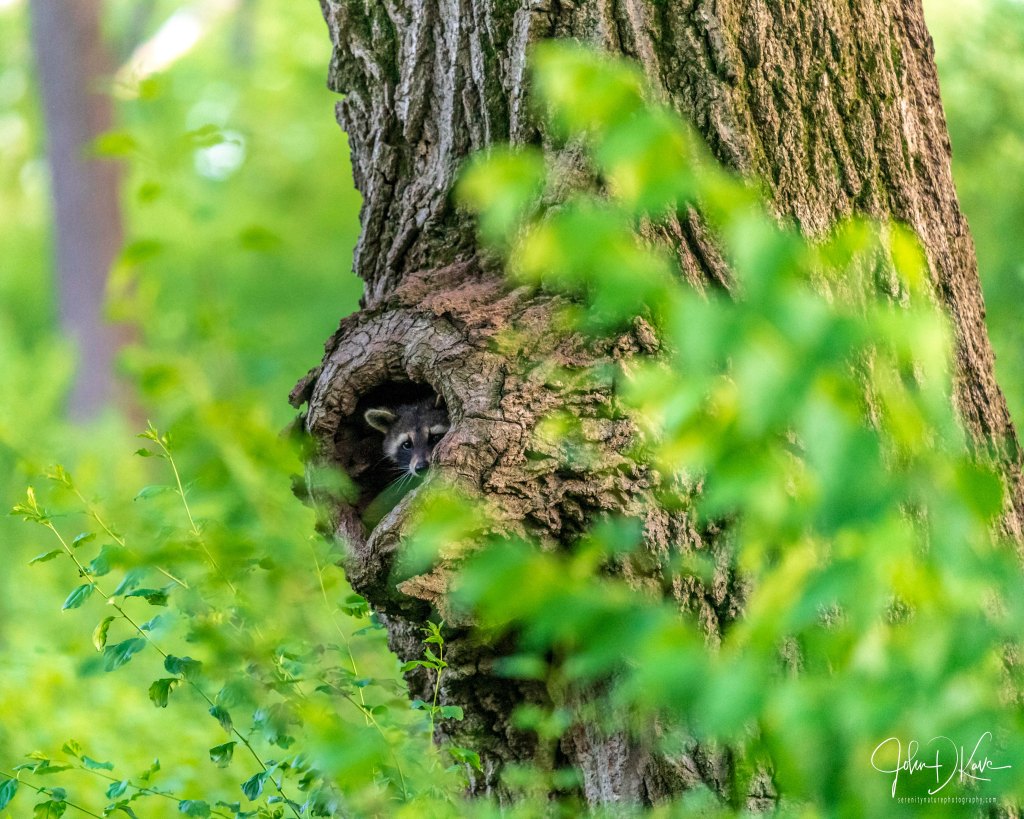
You know them as raccoons (Procyon lotor). Though maybe trash pandas is more your style, a phrase that’s taken off since it first appeared on Reddit in 2014. (I can’t help but note the Rocket City Trash Pandas, a Minor League Baseball team, plays ball in Madison, Alabama). Or you could even know them as washing-bears, an old Germanic nickname bestowed on the species “because they have a habit of rinsing and softening their food in water before they eat it.” This moniker actually has a connection to the legendary naturalist Carolus Linnaeus, who created the Latin-based binomial nomenclature system and originally labeled the raccoon as Ursus lotor (“washer bear”). Whatever you call them, raccoons are commonly found in the Lake County Forest Preserves in northern Illinois.

It’s easy to spot one, of course, by its bandit mask: the patches of black fur bending below each of its eyes. This mask is nothing short of iconic, but it’s likely an icon with a purpose: “one hypothesis for the dark fur is that it may help reduce glare and enhance the nocturnal animal’s night vision.” There’s more to know, though, about these medium-sized mammals beyond face value—or just one feature of their faces.

A raccoon (Procyon lotor) peeks out of its tree den. Photo © John D. Kavc.
Continue reading

The joy of a feather found

Guest post by Nan Buckardt

I found a feather today and it stopped me in my tracks. There it was, tucked into the dewy grass—a single, beautiful feather just lying next to my sidewalk.

It’s not uncommon to come across feathers in my work at the Lake County Forest Preserves in northern Illinois. My naturalist brain immediately started to assess the discovery, analyzing it on a few key points.

The feather the author found just outside her front door. Photo © Lake County Forest Preserves.
Continue reading

Monogamous minks? Not quite.

Post by Brett Peto. All mink images and footage by John D. Kavc.

Yes, it’s almost that time of year. American mink (Neovison vison) mating season. I know, I’ve been waiting for it, too. February is celebrated for human romance: fancy dinner dates, shiny gifts, and long walks on the Des Plaines River Trail. But it’s useful to step out of our human-focused perspective once in a while. And thanks to our comprehensive Wildlife Monitoring Program, we know minks live in the Lake County Forest Preserves in northern Illinois. So, let’s examine why humans aren’t the only species that looks forward to February 14.

A mink (Neovison vison) peeks over a fallen tree. Photo © John D. Kavc.
Continue reading

Finding the right angle

This gallery contains 10 photos.

Post by Brett Peto

I keep thinking about angles. Not the kind you measure with a protractor, but those you measure with your mind. The angle of a story, a conversation, or a project. Photography, of course, uses physical angles—where’s the camera pointed? is the sun directly overhead or is it the sweet time of golden hour?—but the best photos make you want to see even more. They make you want to break open the frame and soak in every bit of the Lake County Forest Preserves in northern Illinois.

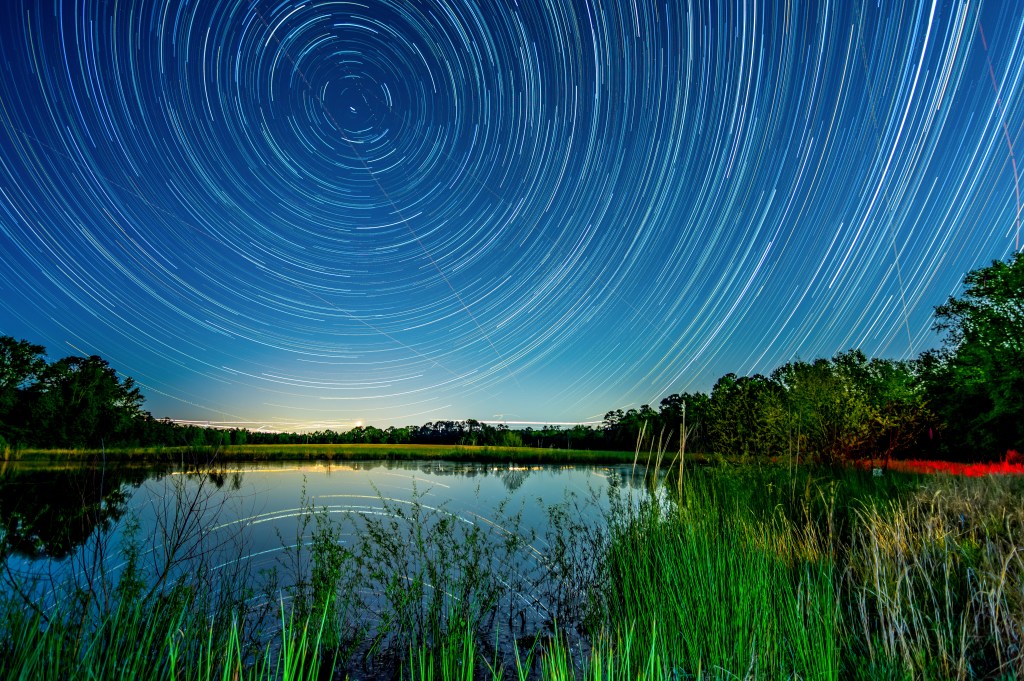
Since it’s nearly the end of 2019, I thought I’d turn 180 degrees and peruse the photos uploaded to our group Flickr pool since January 1. Suffice to say: we’re spoiled. Spoiled with the beauty of Lake County’s flora, fauna, and natural areas, and the talent of the photographers who capture it for everyone to see. Trees and shrubs in their bright fall wardrobes on either side of a trail draining into a vanishing point. A sandhill crane (Grus canadensis) with both wings up like a paper airplane as it dashes to take off. A whirlpool of stars spun around a rich blue sky over a tranquil wetland.

I’ve gathered these moments plus seven more below, but that’s only a small taste. I encourage you to browse the rest of the visual buffet as we make the turn out of the 2010s into the 2020s. And, hey! You might become inclined to upload that shot living on your phone, camera, or computer.

"Night Moves." Photo © reddog1975.
Continue reading