Post by Brett Peto
This article appears in the fall 2026 issue of Horizons, the award-winning quarterly magazine of the Lake County Forest Preserves in northern Illinois.
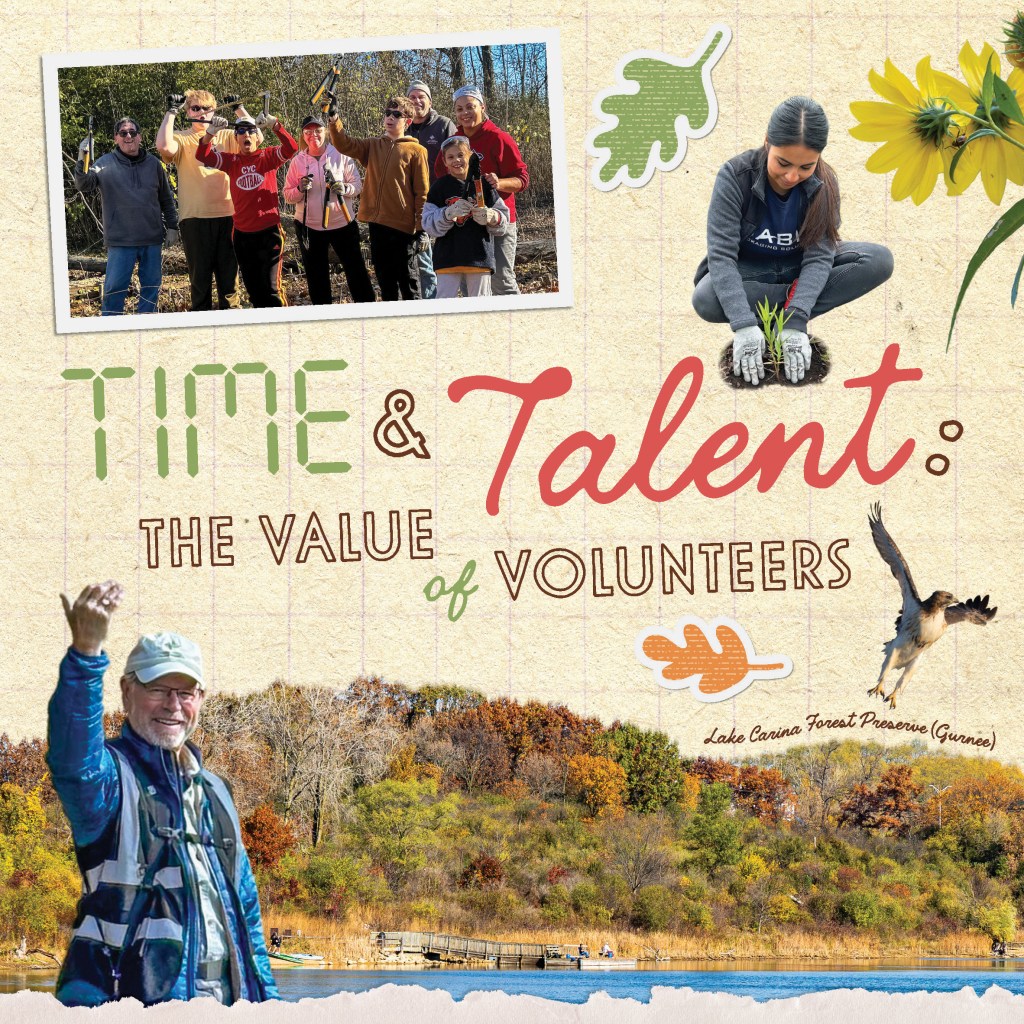
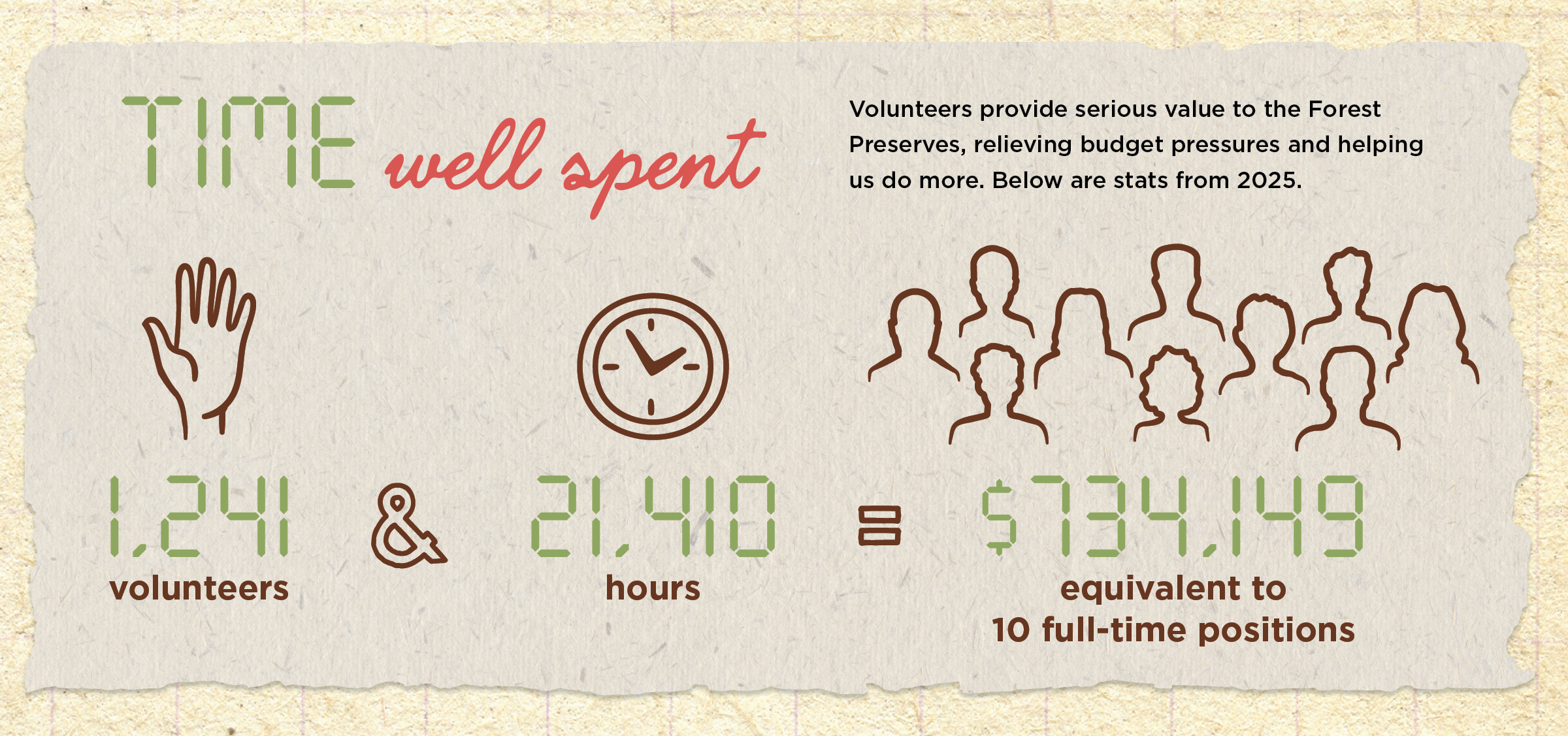
Some of the Lake County Forest Preserves’ 1,241 volunteers joke they work “eight days a week.”
That dedication shows up in the numbers. In 2025, our volunteers donated 21,410 hours, valued at $734,149. An average full-time American employee works 2,080 hours per year.
By that measure, volunteers extend our workforce by 10 full-time positions, improving stewardship of 31,900 acres and 66 preserves.
“Our volunteers’ knowledge, enthusiasm and commitment are truly contagious. They’ve helped build a community that feels welcoming, inspiring and deeply connected to the land,” said Community Engagement Specialist Norma Zamudio, who works to support and grow our volunteer program.
Opportunities are open to all, with training provided and no experience necessary. Volunteers are active in habitat restoration, education, seed processing, transcription, gardening, photography and other disciplines.
Their stories look different, but they’re built on the same bedrock. Showing up, again and again, for the Forest Preserves and each other. We invite you to meet some of them.
The Draw of Duck Farm
Mat Sullivan’s volunteer story started with a degraded lake. As an intern with the Lake County Health Department (LCHD) six years ago, he tackled an assignment at Slough Lake within Duck Farm Forest Preserve in Lake Villa.
The 37-acre waterbody was struggling with invasive carp, high phosphorus levels and frequent blue-green algal blooms. Carp are bad news for water quality. Adult carp thrash around during spawning, stirring up sediment on the lakebed. They stir it up even more by feeding on bottom-dwelling insect larvae and crustaceans—aquatic animals with hard shells, such as crayfish.
Sullivan was on the case. During his internship, he helped monitor conditions and remove over 3,000 carp totaling nearly 11,000 pounds from the lake. It was a turning point.
In 2024, LCHD measured a 154% increase in water clarity and an 80% drop in phosphorus levels compared to 2010.
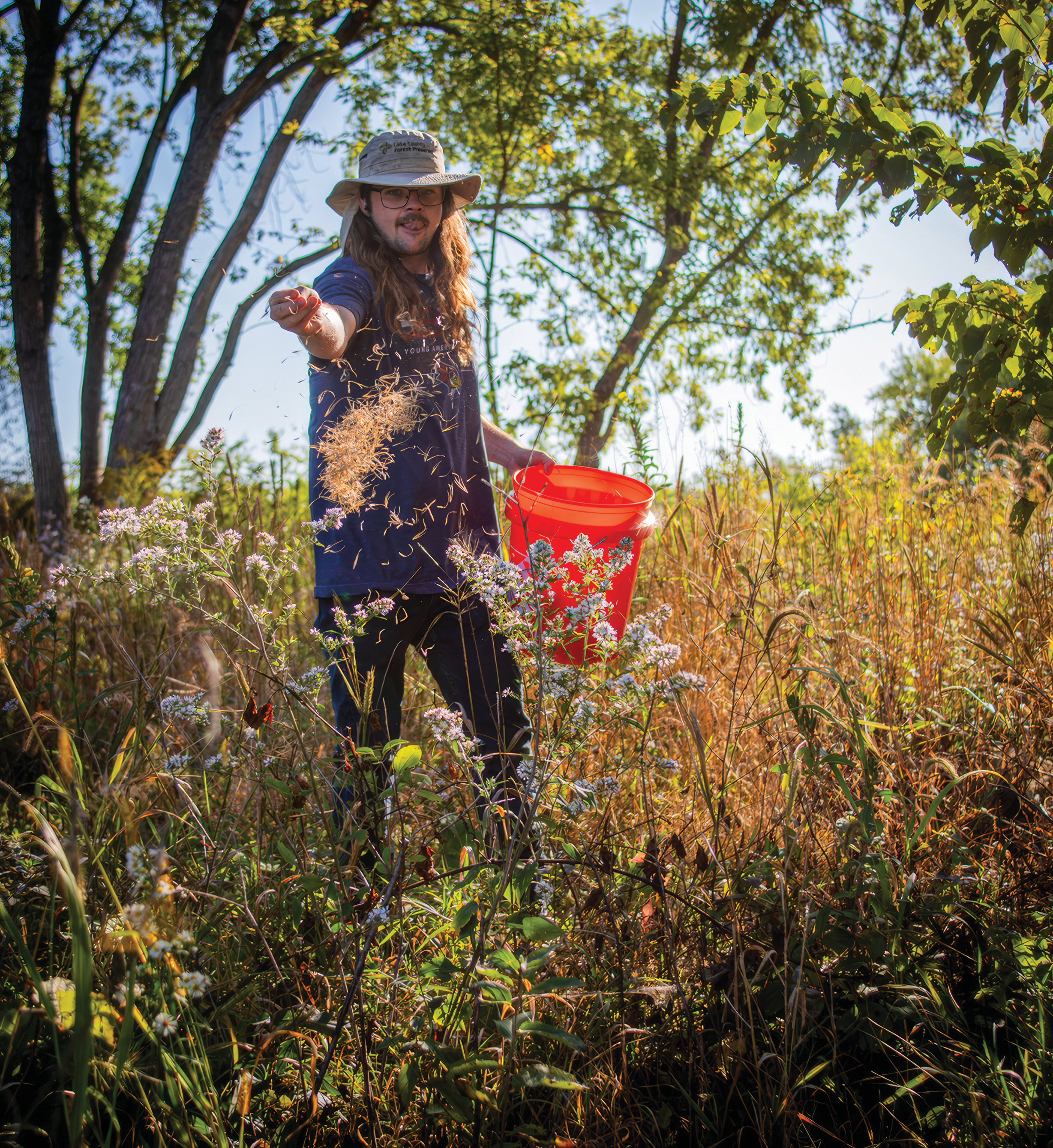
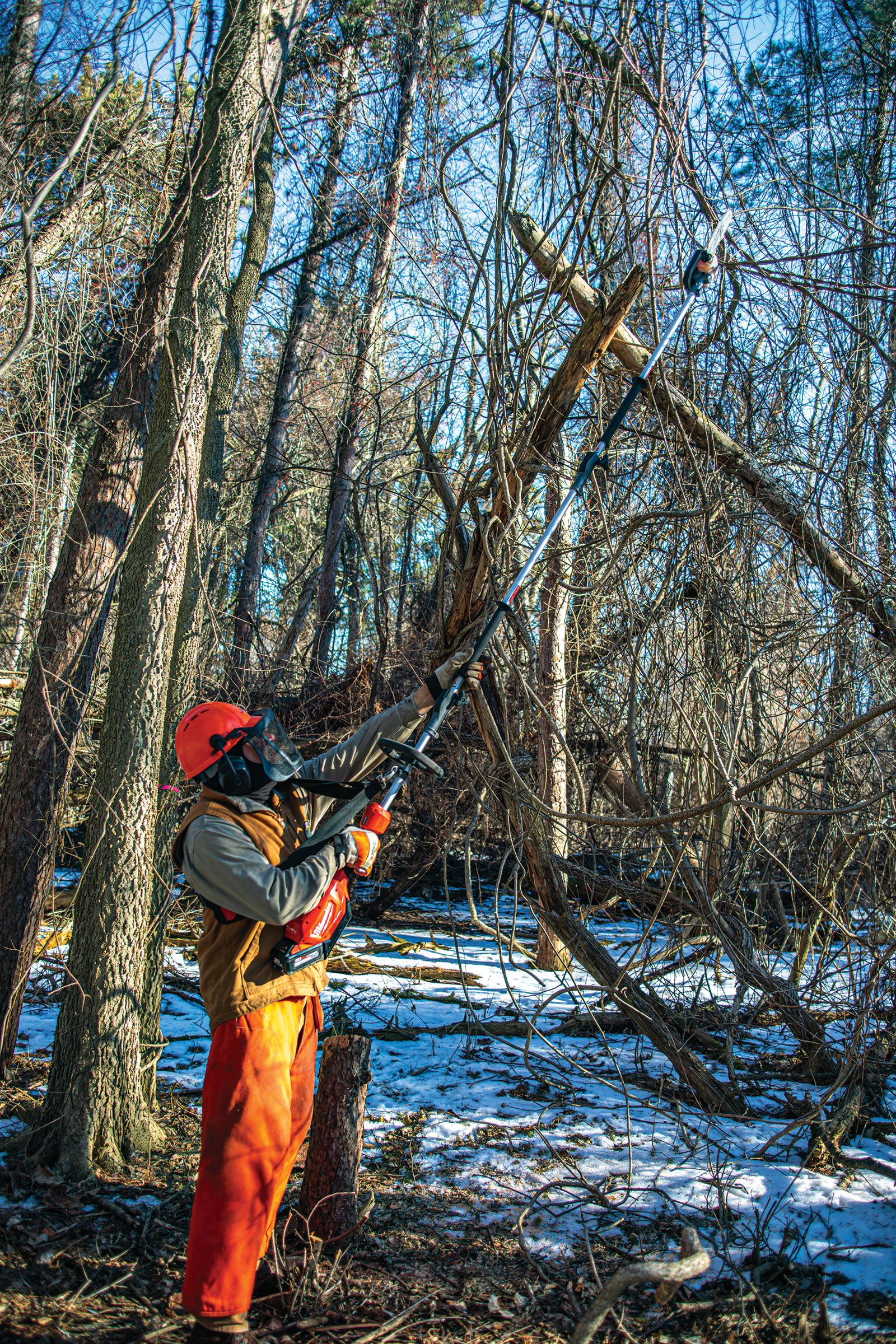
Today, Sullivan works full time at LCHD but felt drawn back to Duck Farm and Slough Lake. He became a restoration volunteer, then a site steward. Stewards lead teams of other restoration volunteers, hosting frequent workdays that last 2–3 hours. They complete certifications in chainsaw safety and herbicide application.
Sullivan has removed invasive plants and helped establish more than 100 native species in Duck Farm’s southern portion. “Pollinators are now showing up,” he said. “I was amazed at how quickly native plants, insects, birds and animals began to rebound. The difference is night and day.”
Forest Ranger or Accountant?
When Diane Phillips took a career aptitude test in high school, she got two very different results: forest ranger or accountant. For 35 years, Phillips has taught accounting, prepared taxes and worked as a high school administrator. Another decades-long commitment? Volunteering to lead environmental education programs.
In 1991, at a coworker’s urging, Phillips visited Ryerson Conservation Area in Riverwoods. There, she met Mark Hurley, a longtime Forest Preserves environmental educator who retired in summer 2026. He quickly became a mentor.
“I had the teaching skills down, but Mark and other folks helped me grow environmentally,” Phillips said. “I have a banker’s box of index cards at home full of the knowledge I’ve gained from all the educators.”
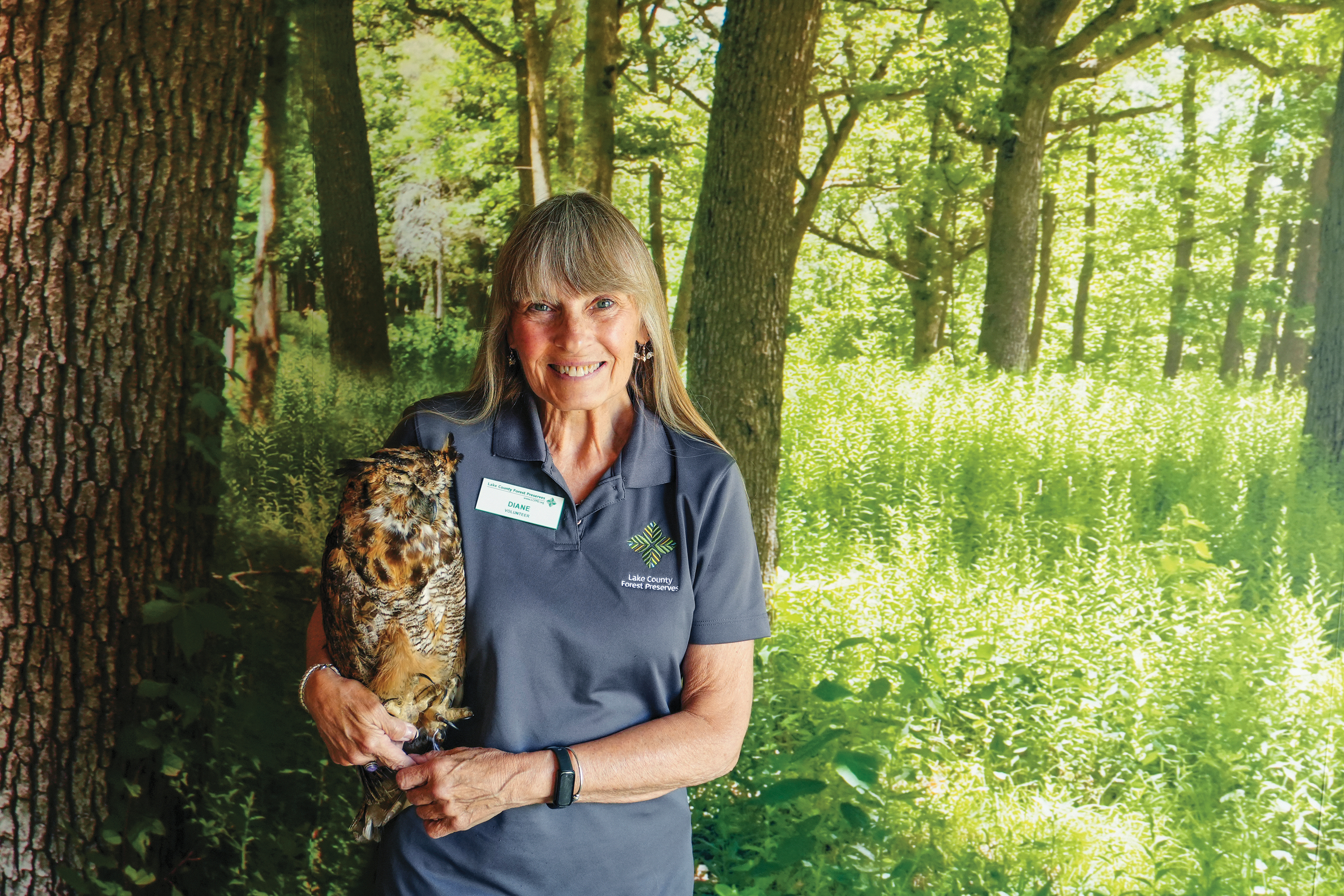
She’s taught countless programs: Birdwatching Hot Spots, Sunday Strolls, guided Hike Lake County walks.
Perhaps her favorites to teach have been community campfires held on Friday nights at Greenbelt Forest Preserve in North Chicago. These casual evenings invite families to roast marshmallows, hear stories, make crafts and take a nighttime hike. They reach new audiences.
“Some people have told me, ‘I’ve never had a s’more,’ or ‘I’ve never been to a forest preserve,'” said Phillips. “That always made my heart warm, to know we’ve brought another group into a forest preserve.” Even after 35 years, Phillips still loves volunteering.
“Maybe that career test was right.”
Take that Positivity Forward
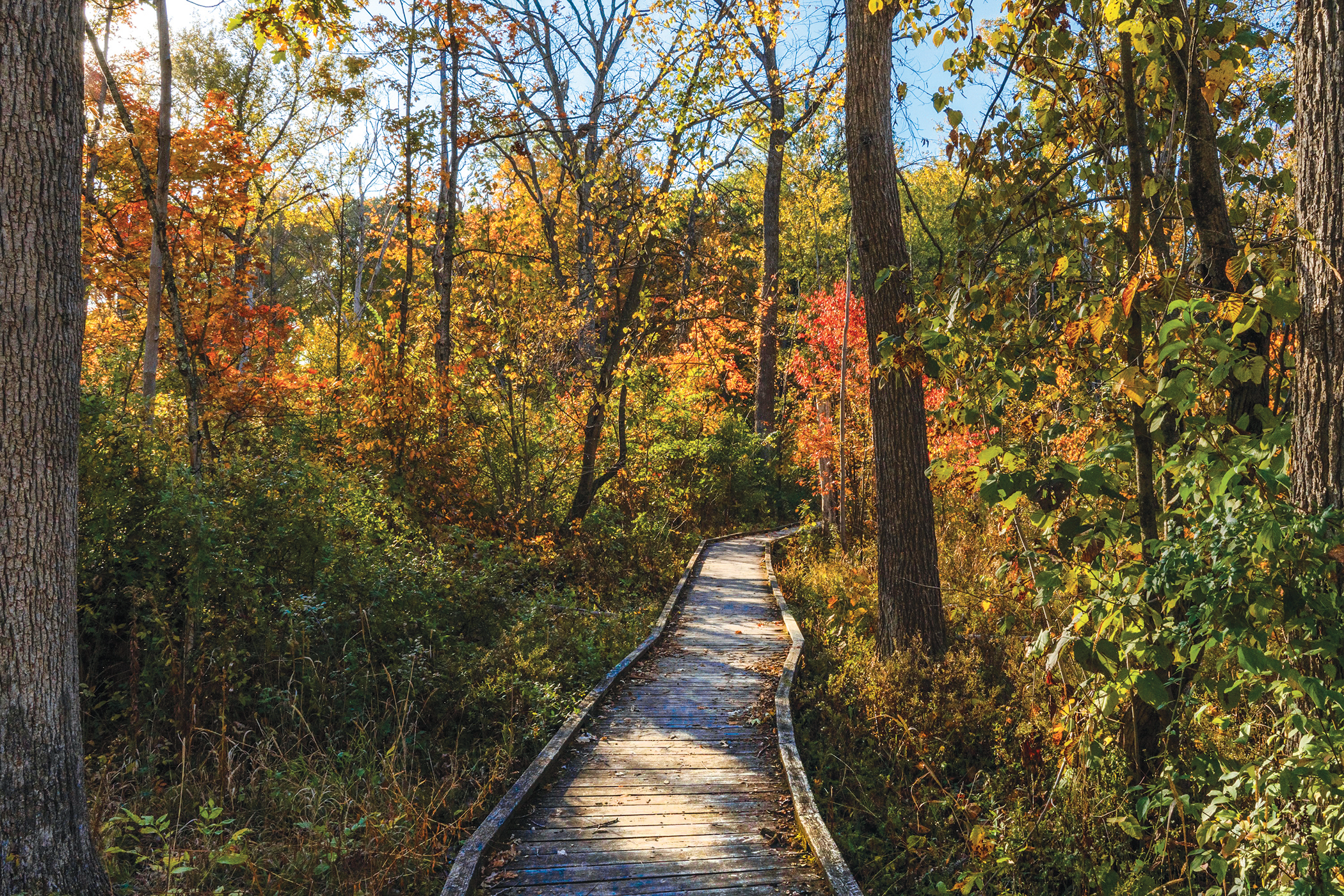
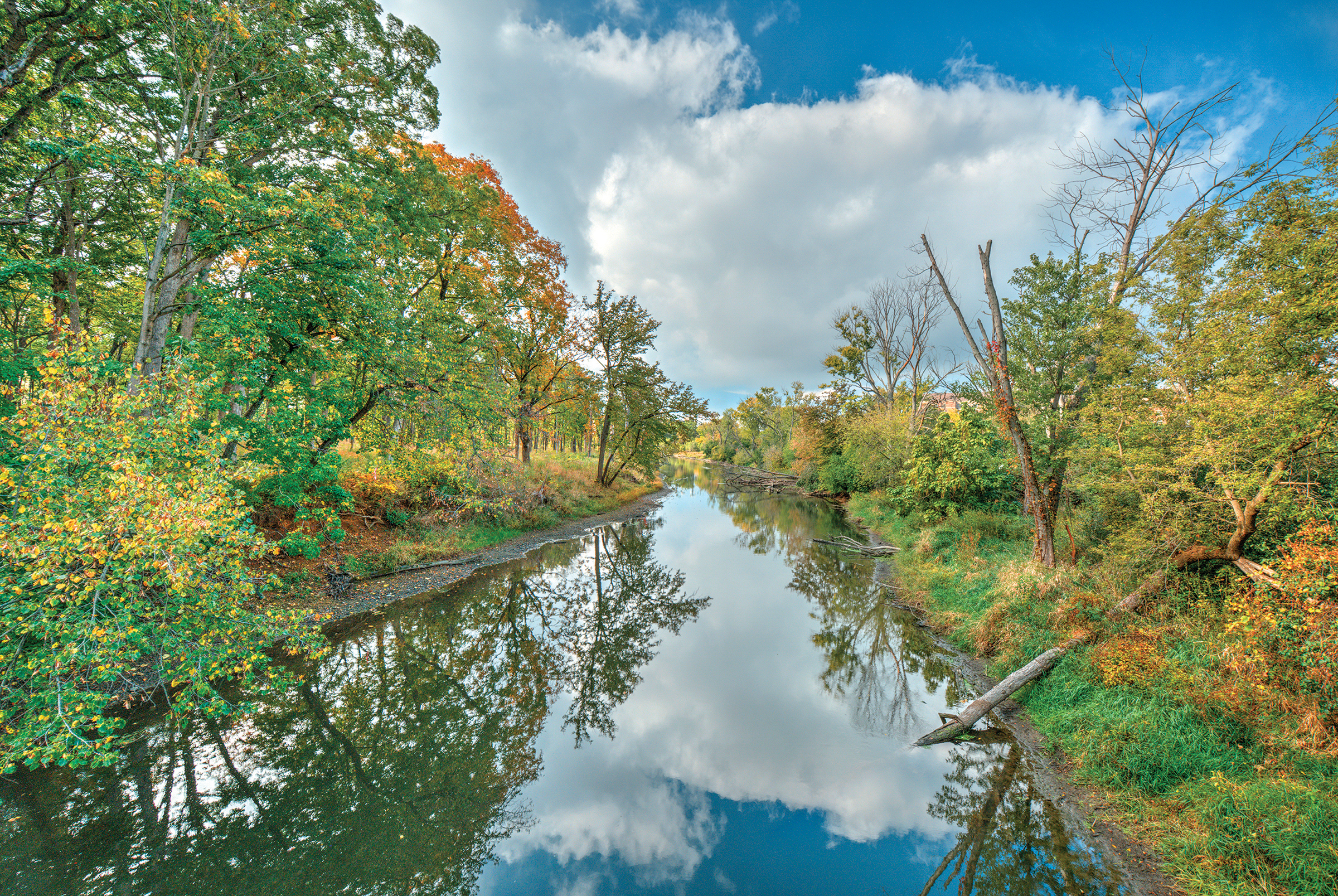
Dave Szaflarski has been visiting Oriole Grove Forest Preserve in Lake Bluff since before it was called Oriole Grove. He knew the 86-acre area along the Skokie River as Lake Bluff Preserve during his childhood.
“My friend lived down the street. We loved exploring the woods, finding old bottles, building forts, watching trains go by,” Szaflarski said.
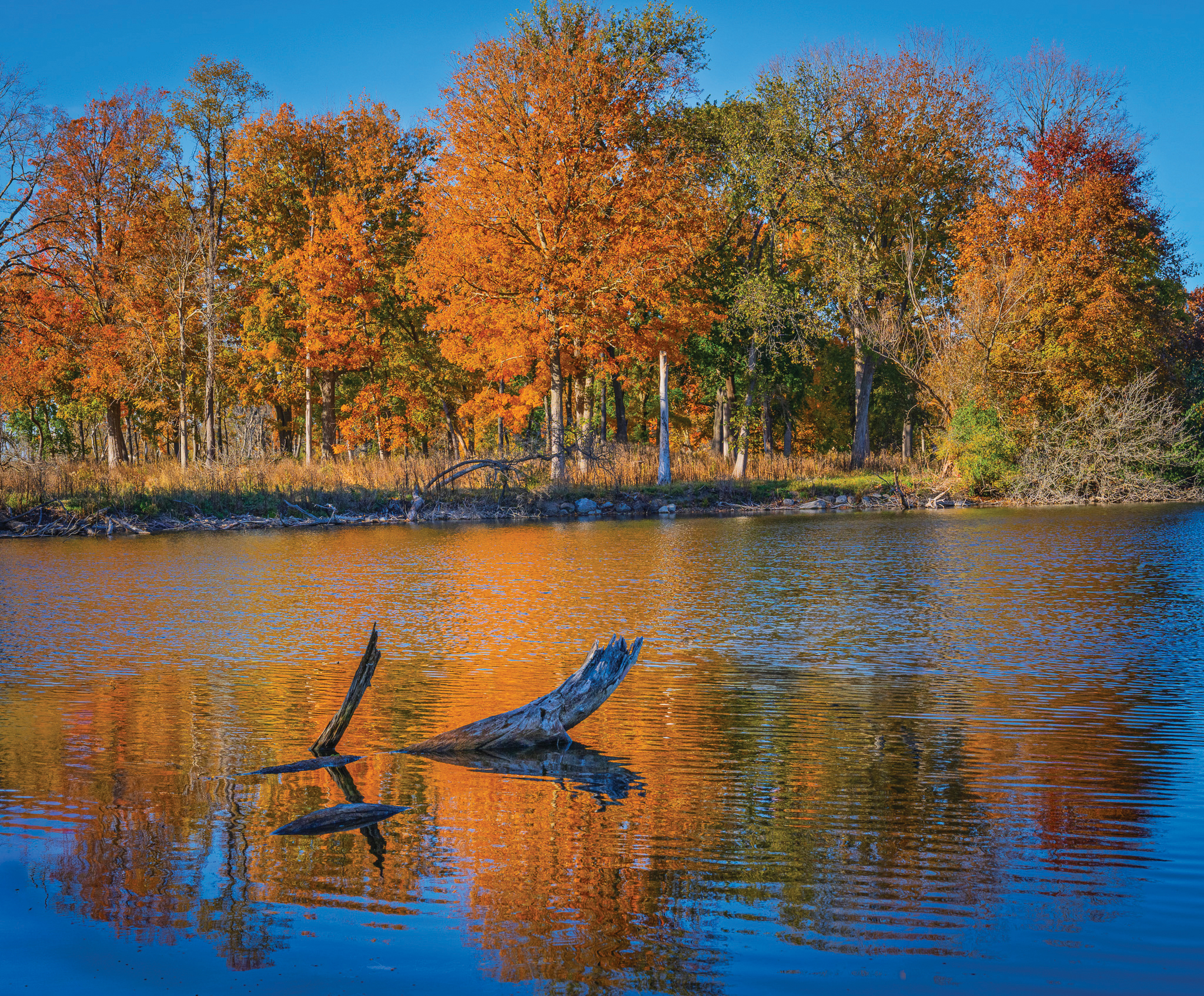
In adulthood, he volunteered to become Oriole Grove’s site steward. For years, Szaflarski removed invasive buckthorn, dame’s rocket and garlic mustard, applied herbicide and mowed grass trails, often solo.
But not always. A partnership with Lake Forest High School brings environmental studies students to volunteer workdays—in exchange for extra credit.
“If they bring their parents, they can get double credit,” said Szaflarski.
One recent project involved digging up the remnants of a 1920s-era chain-link fence installed when the land was a private estate. Szaflarski appreciates the students’ manual labor while connecting it to deeper lessons. “I tell them, ‘You made the right decision today coming to a workday. Take that positivity forward.'”
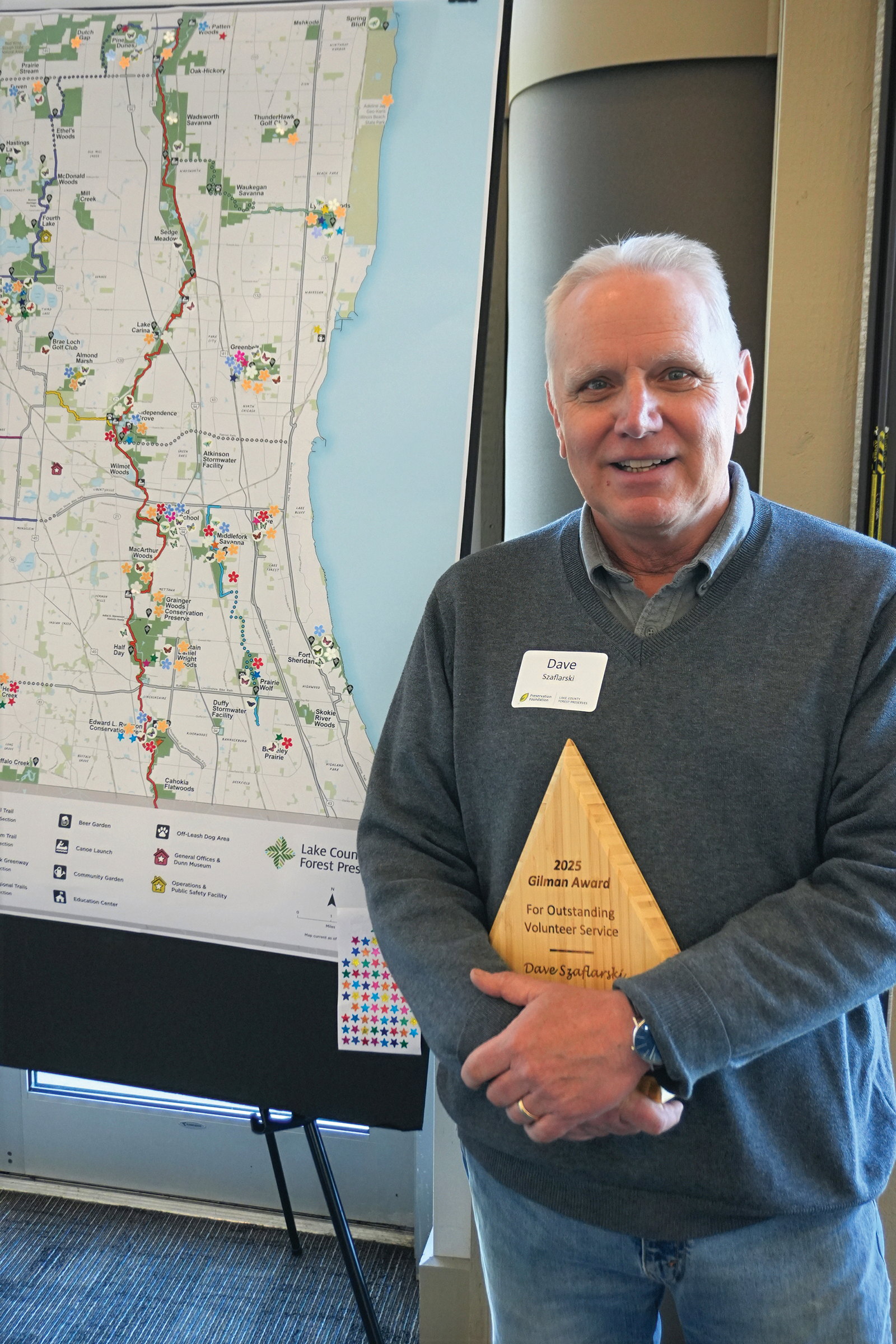
Earlier this year, Szaflarski received the Forest Preserves’ Gilman Award to honor his 29 years of service. It celebrates volunteers who demonstrate dedication to an intense project or position.
“It was a surprise. I never thought, ‘Oh, it’s my turn to win,'” he said. “It’s almost like the Academy Awards.”
Curiosity and Cursive
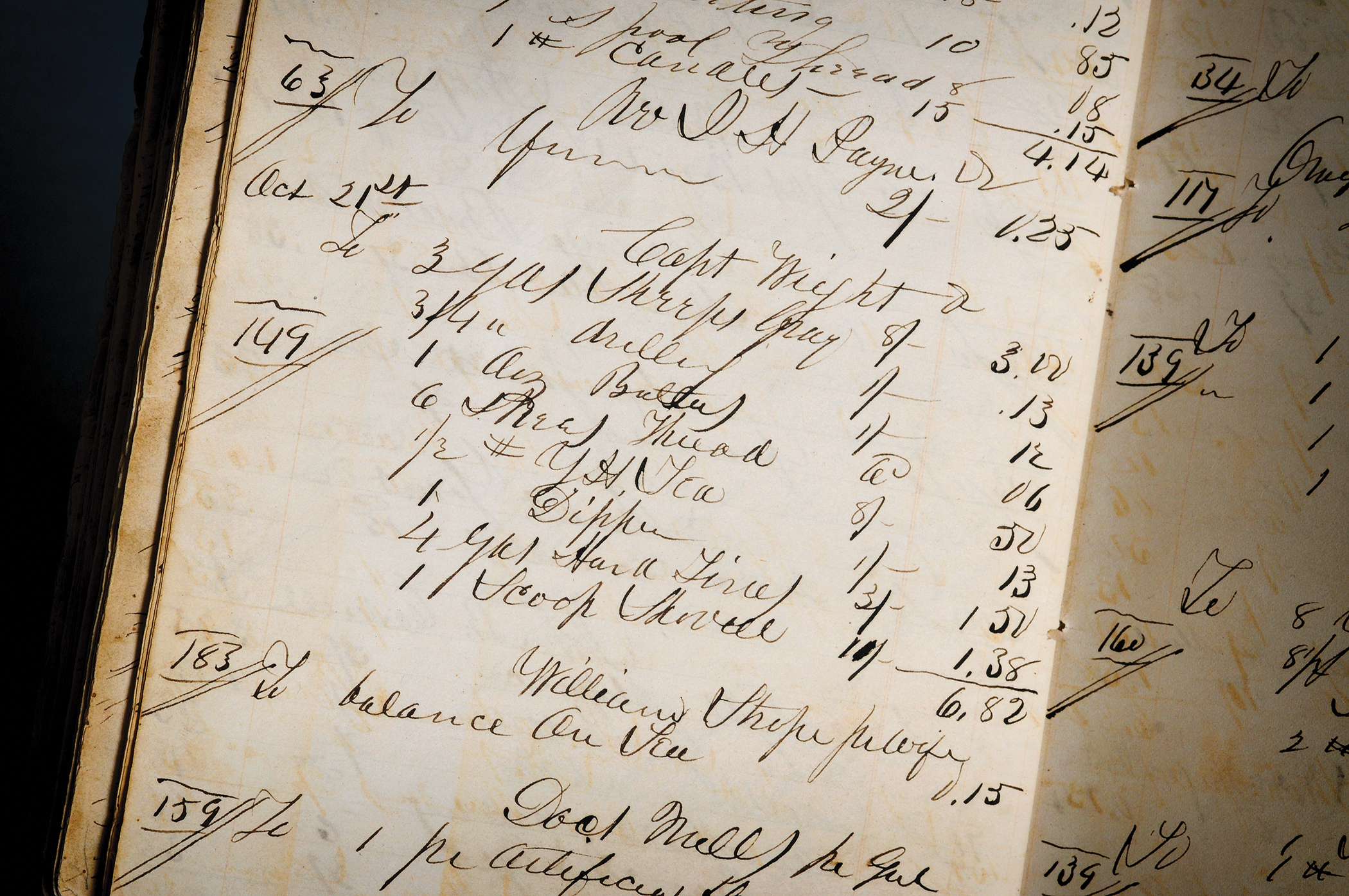
Most Wednesdays, Barbara Johnson boots up a laptop in the Dunn Museum’s Teich Family Reading Room in Libertyville, selects a handwritten archival document and types it into the 21st century.
Some days, it’s the meeting minutes of a local club describing a potluck. Others, it’s a ledger from the 1840s describing transactions at a general store in Half Day, a former unincorporated town annexed by the village of Vernon Hills in 1993.
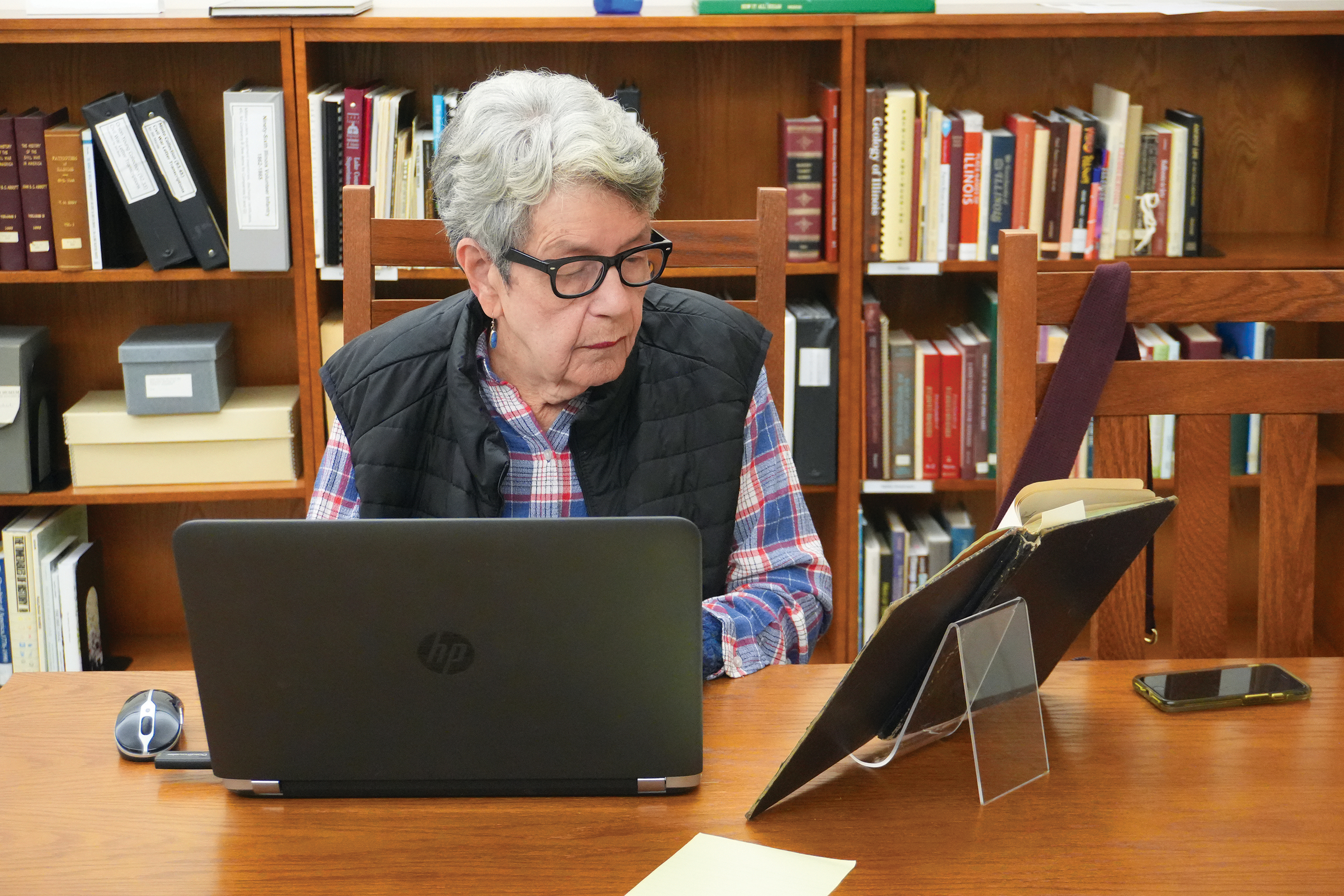
The variety of subjects and the challenge of decoding old cursive keep Johnson coming back to help digitize the Museum’s archives.
“It’s like in elementary school when my teachers gave us hieroglyphics and I liked decoding those,” Johnson said. “This is paleography”—the study of historical handwriting systems.
Translation continues to be a specialty. Barbara has written Spanish captions for videos in the Museum’s galleries. Solving historical mysteries is another passion.
Combing through records, Barbara determined the Museum’s namesake Bess Bower Dunn (1877–1959) is buried at the Northshore Garden of Memories in North Chicago. Dunn was Lake County’s first official historian, serving for 60 years.
“It took a while to find that out,” said Johnson. “Once I get an idea in my head, I go after it. I investigate.”
Photographing the Forest Preserves
Taking an outstanding photograph requires skill with cameras and an eye for composition.
Photographing the forest preserves requires even more. Awareness of when migratory birds visit Lake County. Of places where spring wildflowers bloom. Of the weather conditions that spark the liveliest fall colors.
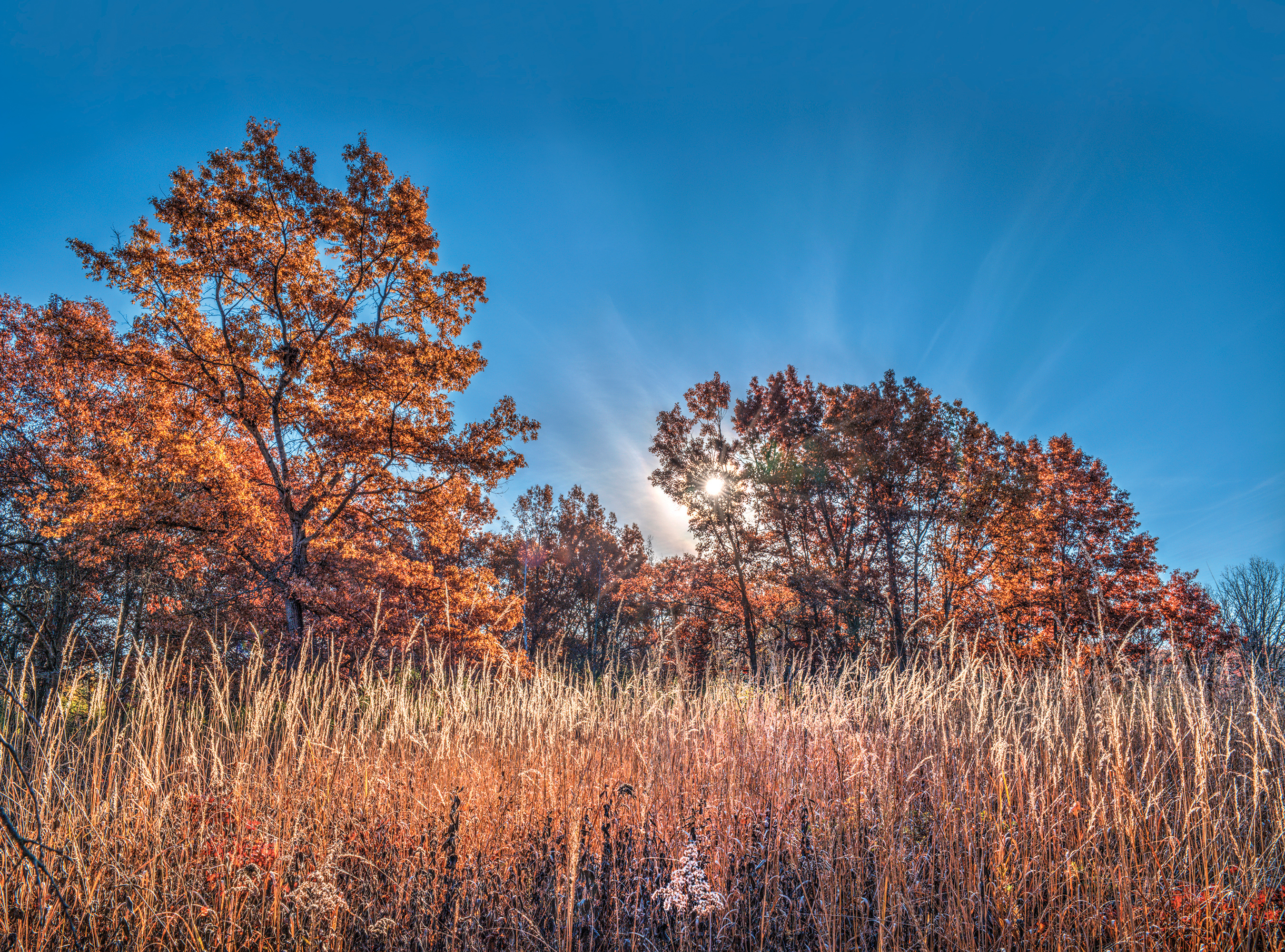
Enter our team of six volunteer photographers: Tim Elliott, Liz Rose Fisher, R. Scott McNeill, Bill Oakes, Judith Salstone and Tom Wilson. The group donates thousands of images annually, documenting local landscapes, plants, animals, restoration, education programs and more. Many regularly appear in Horizons.
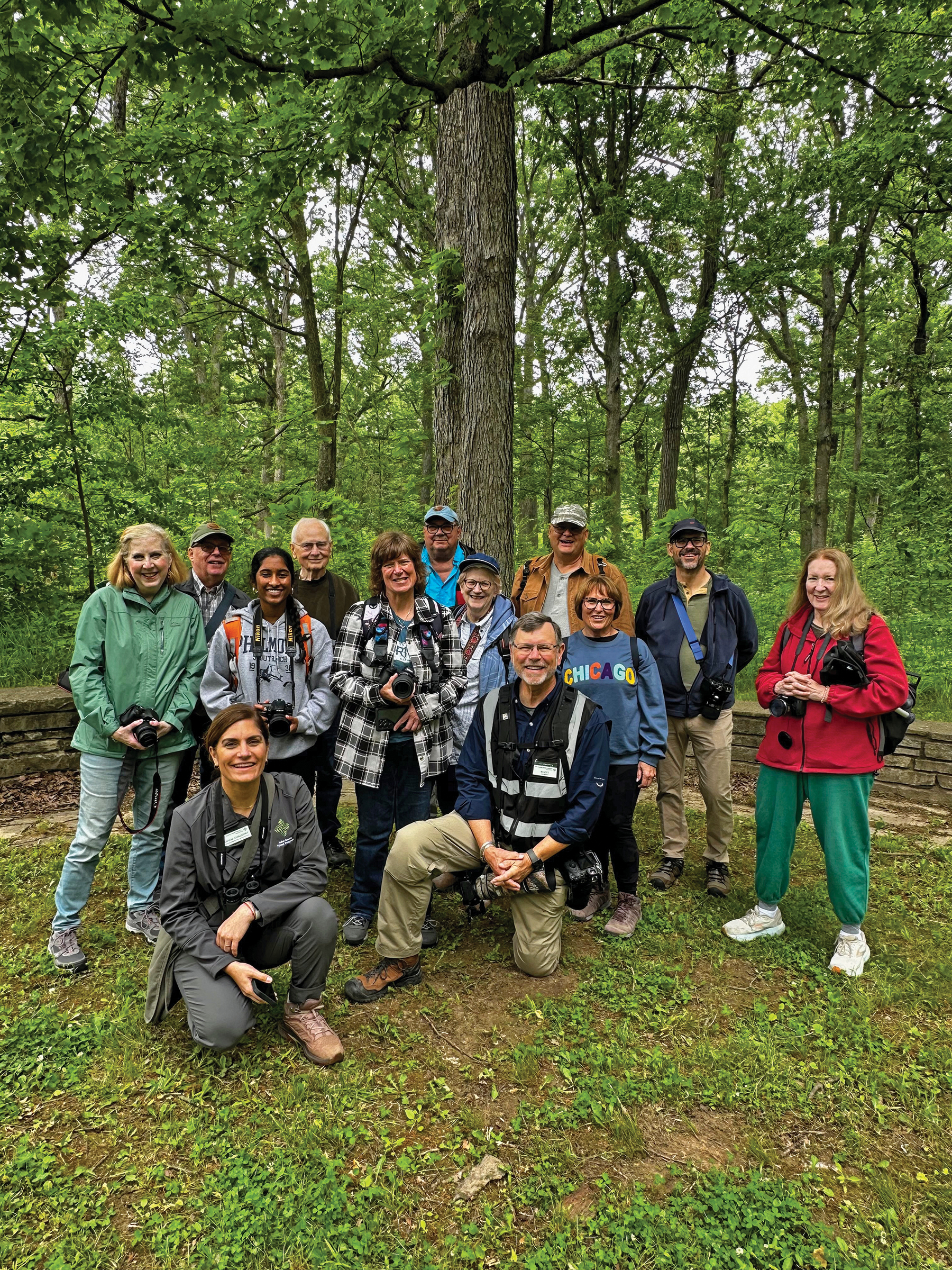
Scott McNeill offers some advice for aspiring nature photographers. “Keep your head on a swivel. Look up, down and all around,” he said. “Camera memory is cheap. Shoot. Shoot. Shoot.”
Finally, “always photograph for you first. Make an image you like before you worry if others will like or enjoy it.” Connect with us on Flickr to share your photos of the preserves.
A Garden that Gives Back
Kay Ross and Leroy Howze help feed Lake County one fresh fruit or vegetable at a time.
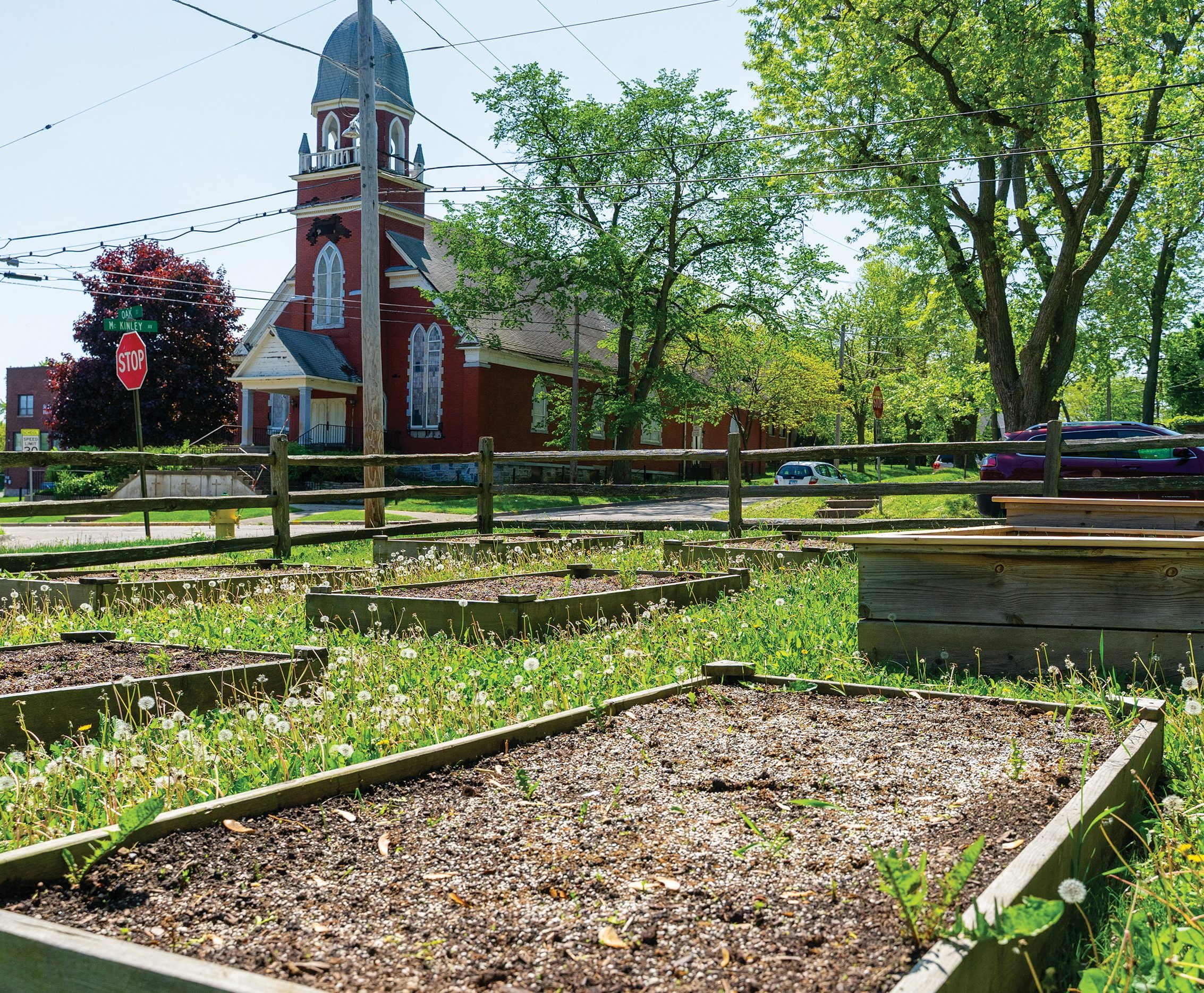
They tend the Forest Preserves’ 0.08-acre Community Garden Site in Waukegan, a plot of 20 raised beds at Oak Street and McKinley Avenue. We supply the seeds, plants and equipment. Ross and Howze take it from there.
From May through October, the pair grows watermelons, tomatoes, pumpkins, corn, green beans, spinach and carrots. Residents may help themselves to ripe produce.
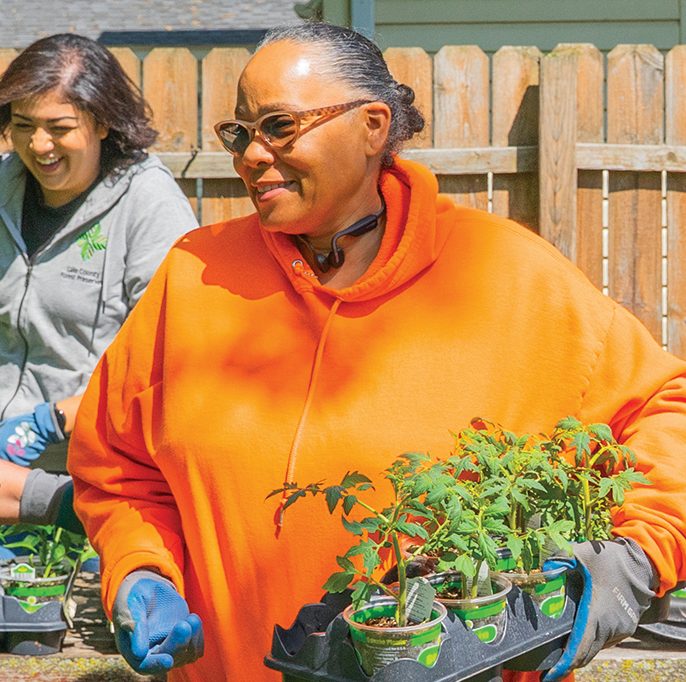
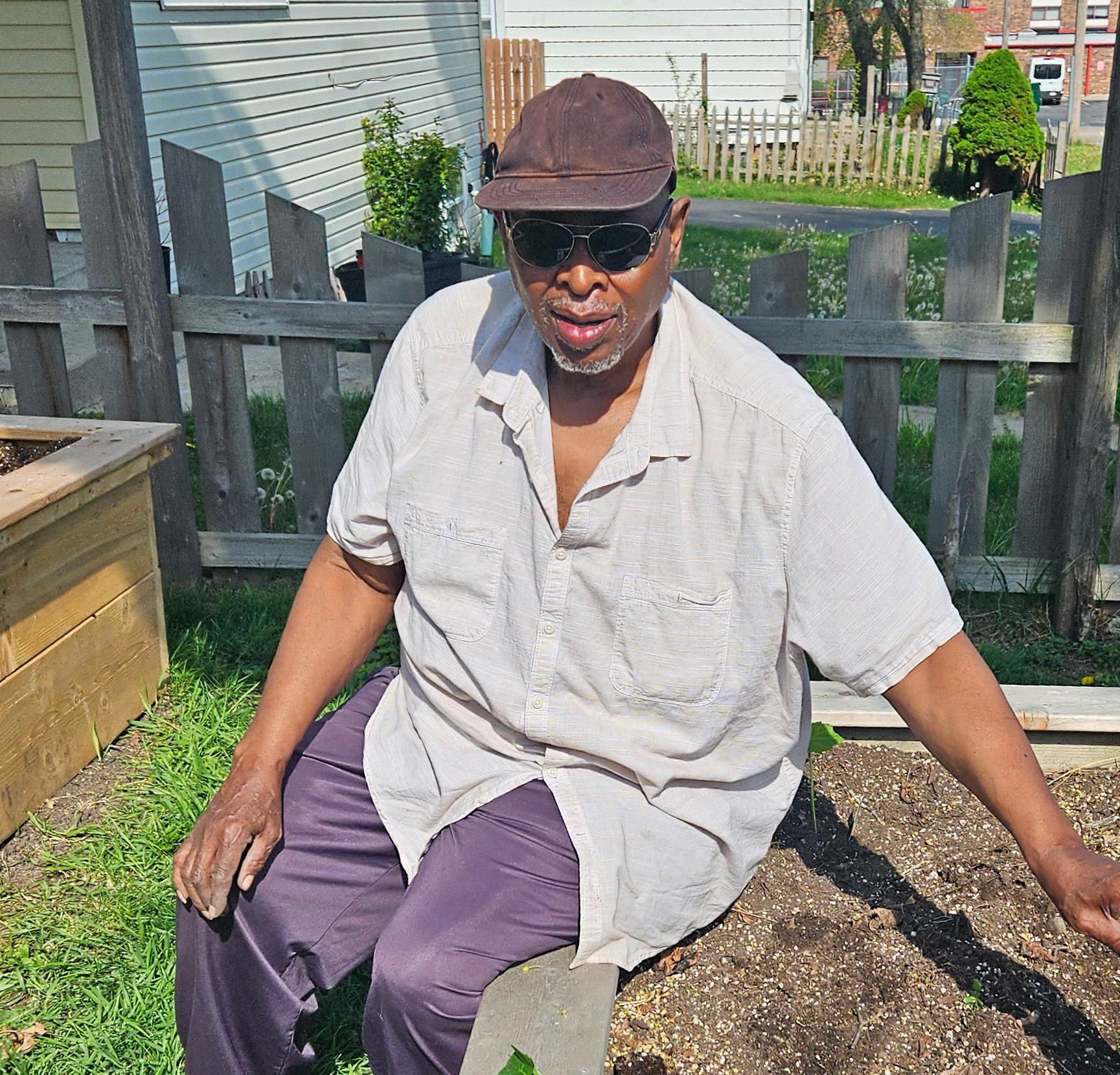
“We’re giving back to the community, and it feels really good,” said Ross, a program manager for a Chicago insurance company. “It’s fulfilling. It’s also a chance to slow down and reconnect.”
More volunteers—and watchful neighbors to prevent damage by animals and weather—are always welcome.
Lend a Hand
These are just a few of our current volunteers’ stories. Everyone is welcome to add their own. Gardeners are needed at the 2.5-acre Independence Grove Native Garden in Libertyville to help plant, prune, mulch, weed and water.
Restoration crews at Nippersink and Kestrel Ridge Forest Preserves in Round Lake, plus Duck Farm and Oriole Grove, could use more hands. (View our current calendar of restoration workdays here.)
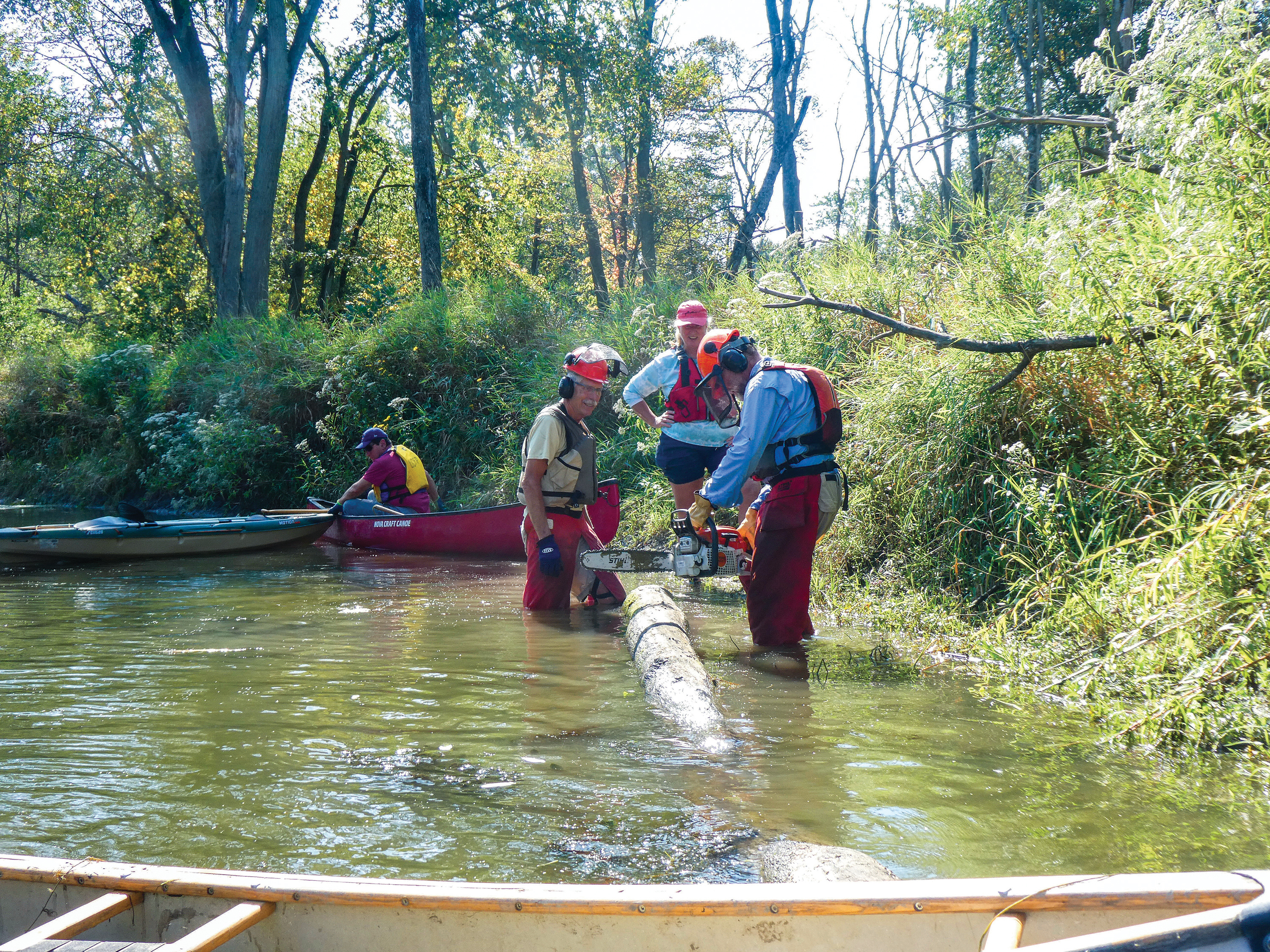
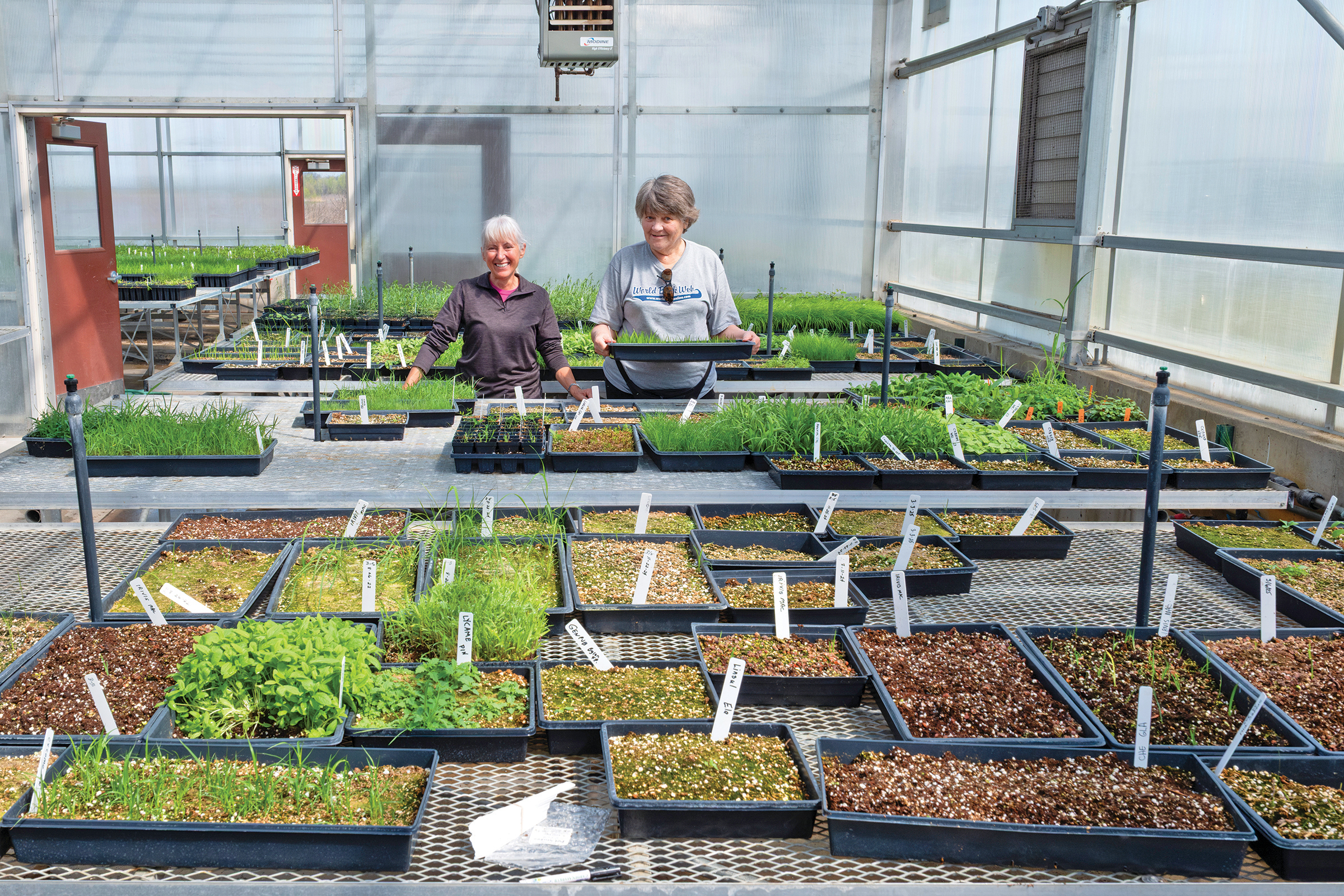
Other groups monitor wildlife, process seeds at the Native Seed Nursery in Grayslake, grow flowers and vegetables at Bonner Heritage Farm in Lindenhurst or remove trash and logjams from the Des Plaines River.
Even if a volunteer group is full, we encourage you to apply. Waitlists are available.
Applications aren’t required for restoration workdays—adults and children ages 10 and up can attend with signed waivers.
Give your time and talent at LCFPD.org/volunteer or email volunteer@LCFPD.org.
Images © Tim Elliott, Liz Rose Fisher, Kyle Hauder, Paul Klonowski, R. Scott McNeill, Justine Neslund, Bill Oakes, Brett Peto, Angela Ramirez, Mark Widhalm, Thomas G. Wilson