Tick season has arrived.

Post by Jen Berlinghof

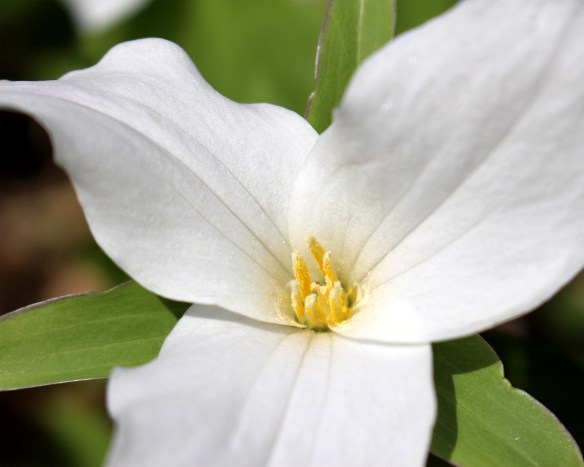
Spring seems to be a bit accelerated this year in the Lake County Forest Preserves. Trillium are already blooming at Ryerson Woods. Yesterday, I even saw a tiger swallowtail butterfly, wafting its way through the dappled light of the forest. Both of these species are typically associated with mid-May. With earlier than usual spring weather comes earlier than usual “tick season.” Like the trillium and swallowtail, ticks are a part of our natural areas.

By learning more about ticks, along with some mindful actions before you head outside, interactions with ticks can be minimized so our enjoyment of the outdoors can be maximized.
9

Contrary to what many people think, ticks are not insects. They are arachnids. Like spiders, they have two body parts and eight legs. In addition, ticks have intricate mouthparts designed to bite and hang onto their host, which can be any warm-blooded animal in the area, including us.  Continue reading →
Skunk stories

Post by Jen Berlinghof

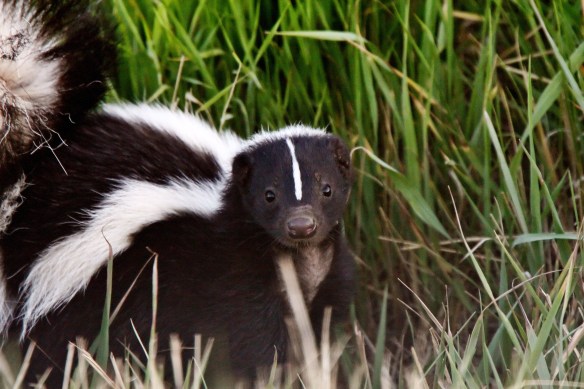
Just like fish stories, it seems everyone has a skunk story to tell. I have many, but my favorite one happened a few years ago in the spring, when I was getting ready to teach education programs at Greenbelt Forest Preserve. Before the students from a local school arrived, we were busy unloading supplies and setting them out around the preserve. When we returned to the van, we found a skunk sauntering right up the open lift-gate, looking curiously like he might climb in! We froze, chanting in a hushed tone to ourselves, “Please don’t go in there, please don’t go in there.” Either our chants worked, or he realized the preserved insects in the cases he was checking out were not a good meal. He casually wandered back to the brushy field and was long gone by the time the bus arrived.


Continue reading →

Bird-eat-bird world

Post by Jen Berlinghof

I remember the first time I saw it happen. It was a frigid Sunday in February, sixteen years ago. I had just started working for the Lake County Forest Preserves. The deep cold, the kind that temporarily freezes your eyelashes together every time you blink, kept potential hikers away from Ryerson Conservation Area that day. I ventured out only to fill the bird feeders, and the chickadees, juncos, cardinals, and woodpeckers quickly gathered around for a feast. I thought they would be my only visitors of the day. Then, a cacophony of bird wings ruptured the quiet. Bird visitors fled from the feeders in all directions. In a low hanging branch of a nearby oak, one bird remained: a Cooper’s hawk. It was devouring a mourning dove that had just been pecking around under the feeders only moments before.

Cooper's hawk eating bird Continue reading →

Snowflake anatomy

Post by Jen Berlinghof

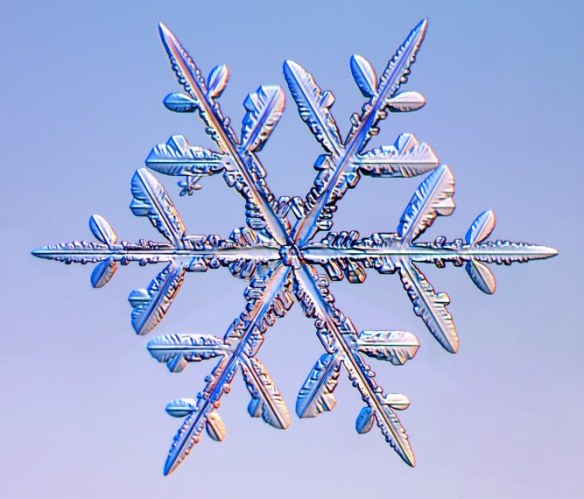
My family and I spent the beginning of the new year in the Northwoods. We wanted quiet. We wanted nature. Most of all, we wanted snow. As we started out on a snowshoe trek to a nearby river, tiny snowflakes settled on my son’s navy blue parka. They seemed to freeze on contact for only a few seconds, forming miniature constellations, before melting into temporary teardrop stains. The filigree of each flake in those hushed, fleeting moments fascinated both of my boys.

snow-crystal1

Continue reading →

Turtle Champions

Post by Allison Frederick

109 adopted turtles!

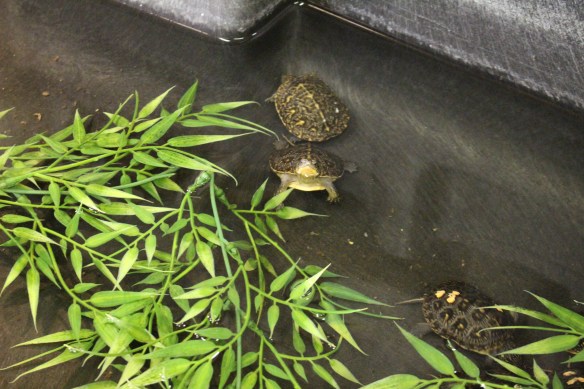
bltu-20161104-004Our inaugural campaign to enhance conservation efforts and further protect an endangered species was a huge success. Donations poured in from Lake County and beyond (as far away as California!) to adopt baby Blanding’s turtles, allowing us to continue our head-starting program and field work next summer. Continue reading →

Halloween Hikes—30 years and counting…

Post by Jen “Blanding’s Turtle” Berlinghof

DSC04910.JPG

This year marks the 30th anniversary of the Lake County Forest Preserves’ popular Halloween Hikes at Ryerson Conservation Area. This event is a witch’s potion of sorts: a dash of theater, a drop of night hike, a splash of environmental education, and a heap of old-fashioned family fun. Continue reading →

Des Plaines River Trail Challenge

Post by Jen Berlinghof

The trail is complete! The final section of the Des Plaines River Trail and Greenway was completed in late 2015. This fulfills a vision 54 years in the making—an unbroken greenway along the Des Plaines River. The contiguous 31.4-mile trail spans the entire length of Lake County, Illinois. To celebrate this amazing gem, we at the Lake County Forest Preserves are challenging you to travel the entire length as part of our Des Plaines River Trail Challenge. Last year, Allison and I hiked the entire trail and chronicled it here on the blog. This month, we’re taking you on the water with us to highlight the lifeblood of this vision—the river itself.

20160902_092721

Continue reading →

Hordes of hummingbirds

Post by Jen Berlinghof

hummingbirds 003

For me, most days on the job consist of time in my “office” outdoors—a woodland, prairie or wetland in the Lake County Forest Preserves—with my “clients”—students, teachers, and families interested in learning more about local nature. On those rare days spent plunking away at a computer indoors, the photo above is my view. Recently, this view is bustling with activity, as hordes of ruby-throated hummingbirds buzz around the feeders, bulking up for a long flight south.

Screen Shot 2016-08-22 at 11.46.50 AM

Continue reading →

Dwindling lights

Post by Jen Berlinghof

At a recent Firefly Campfire at Ryerson Conservation Area, kids and adults alike were flitting around, as fast as the fireflies they were trying to catch. For many of the children, this was their first time experiencing the age-old summer tradition of capturing living light. While the woods that night sparkled like the fourth of July, many of the adults lamented that their yards didn’t have many fireflies—certainly not like the numbers they remembered chasing as children. Turns out they may be on to something.

group 4

Widespread anecdotal evidence of these dwindling evening displays have prompted scientists to take a look at possible reasons. One big culprit to the demise of these bioluminescent beetles seems to be the one thing that makes them so special: light. Continue reading →