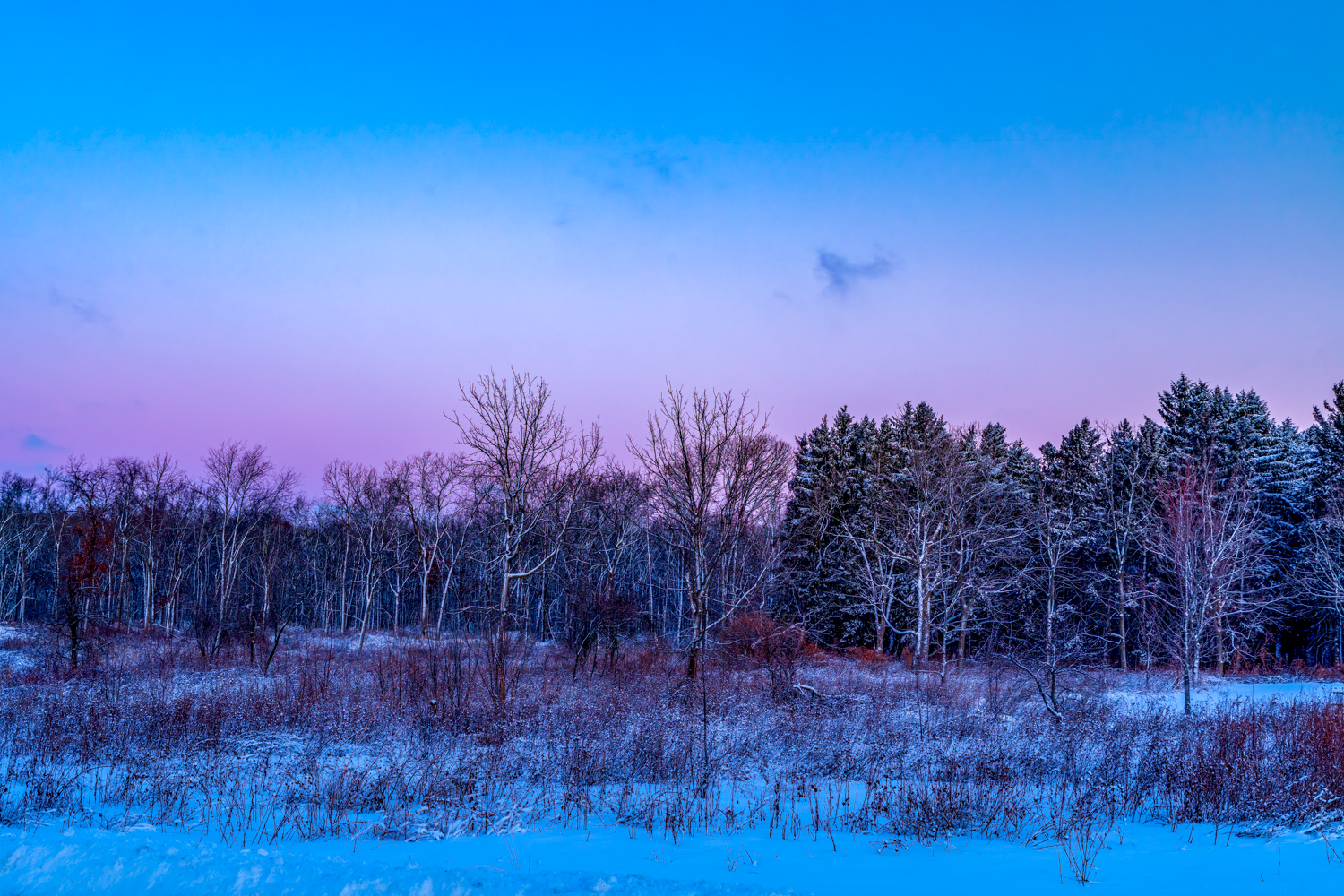
In February, sensational sunrises and sunsets break up the stark days and cold, dark nights of a waning winter. Dawn and dusk not only bring the thrill of color to a monochrome landscape, but also the best chance of hearing and seeing nocturnal raptors. As the mercury drops, owl courtship heats up. While many other birds head south for winter, owls pair up and hunker down. At night, the soundtrack of our resident species’ hoots and hollers fills the Lake County Forest Preserves in northern Illinois, offering us a glimpse into an otherwise hidden world.
The winter landscape, stripped of its lush layers of leaves and fields of flowers, reveals hidden homes. This season of stillness offers a glimpse into animal lives that were carried on clandestinely throughout spring, summer and fall around the Lake County Forest Preserves in northern Illinois. It’s surprising to see how many critters have been busy raising families right under our noses, or sometimes, right above our heads, without us always noticing.
Living in Illinois, we’re lucky enough to enjoy a change of seasons. Though I often find it difficult to switch from the crunch of fall leaves to the crunch of snow, it can be a peaceful time to head outdoors. Recently, I went walking in Independence Grove in Libertyville, part of the Lake County Forest Preserves in northern Illinois. As I looked around in the quiet, contemplative landscape, I thought about the life that teemed all around me, and how it was now hidden from view or departed on a migration.
While leading winter walks, I’m often asked, “Where are all the animals?” It depends on the animal. Each employs different survival strategies that help it adapt and even thrive in winter. What, exactly, do animals do to make it through the challenges of cold temperatures and a lack of food? Well, I like to say they have MAD strategies: migrate, active and dormant.
When cool temperatures arrive in northern Illinois, so do dark-eyed juncos (Junco hyemalis). Not only do they visit Illinois, they migrate into all of the lower 48 states to spend a milder winter than where they’re from: Canada. Stock photo.Continue reading →
Fast forward to summer 2021. The hum continues to reverberate after multiple sightings of this keystone species were documented across the county from Flint Creek to Wadsworth Savanna in Wadsworth. While summer’s the height of hive activity, the shoulder seasons—usually defined as May, June, September and October—might be key to the success of the rusty patched bumble bee. This is partly due to the timing, or phenology, of the species’ lifecycle. It’s one of the first bees to emerge in spring and the last to enter hibernation in fall.
I’ve spent many days this summer living the “lake life,” from the sandy dunes of the Great Lakes to the cattail-studded coves of inland waters. The waterways found within the Lake County Forest Preserves in northern Illinois have been especially rewarding. Each shoreline has provided unique glimpses of wildlife, including an osprey (Pandion haliaetus) diving full throttle to catch a fish at dawn, and a red fox (Vulpes vulpes) pouncing on prey hidden among the beach grass at dusk.
Also present at every waterway this summer has been the jewel-hued, common green darner dragonfly(Anax junius). These ubiquitous insects effortlessly nab multitudes of mosquitoes on the wing. While the monarch butterfly (Danaus plexippus) reigns in our minds when it comes to insect migrations, recent research reveals the green darner takes a multi-generational, miles-long journey of its own each year.
Common green darner dragonflies (Anax junius) are found in the forest preserves. Stock photo.Continue reading →
Editor’s note: hey readers, Brett Peto here. This month, guest author Pati Vitt, Manager of Restoration Ecology at the Lake County Forest Preserves in northern Illinois, returns with the third part of her series about our research project to restore 180 acres of former farmland within Grant Woods Forest Preserve in Ingleside using a climate-adapted, regionally sourced native seed mix.
This past winter, we planted 800 pounds of native grass seed from southern Illinois and Kentucky in the project area. The goal was (and still is) to help us understand whether we should source native seeds from further south to make our future restoration projects more resilient to climate change.
Unfortunately, as you can probably tell from the photo below, even the best-laid plans can go awry. And so they did, when an unseasonable early drought struck. Pati will pick it up from here.
While the past year and a half has kept many of us mostly at home, nature in our backyards and beyond has provided a balm for these trying times. General use of the Lake County Forest Preserves in northern Illinois is trending 30% higher in 2021 than a typical pre-pandemic year. And in 2020, there was an astounding 70% surge in visitation. The number of folks delving into home gardening and backyard birding has skyrocketed as well, making headlines by leaving store shelves bare of birdseed and bird feeders. The COVID-19 pandemic has amplified our desire to connect to nature closer to home, and it has created space and time for local, daily observations. All of this translates to an environment ripe for community science, also called citizen science.
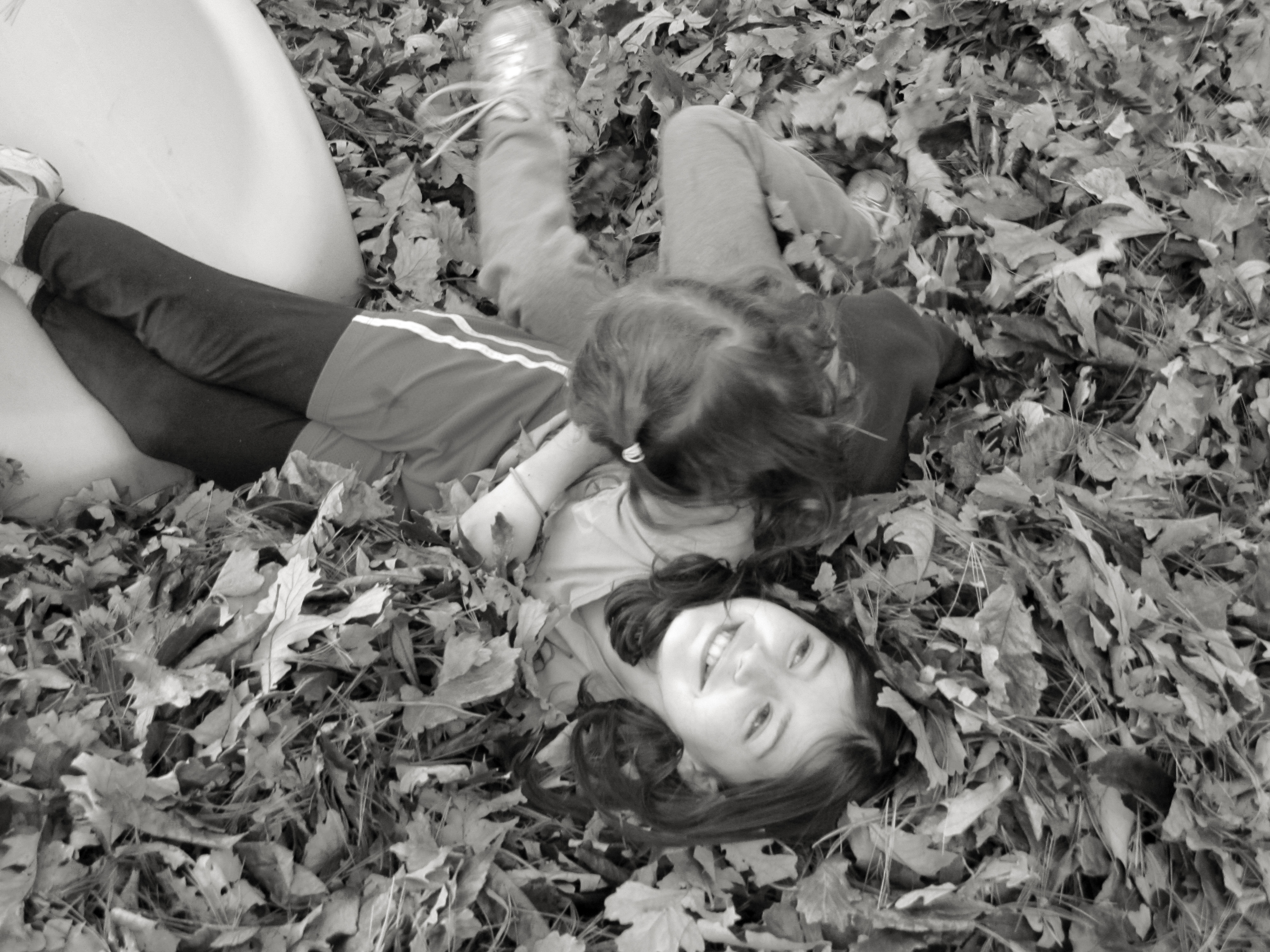
What is your earliest gardening memory? Was it planting a seed in a paper cup at school, and watching it sprout and grow on the classroom windowsill? Perhaps you gathered dandelion flowers and presented your mom with a beautiful, yellow bouquet. Or did you rake up a giant pile of leaves to jump in on a crisp fall day? You might even have visited the native garden at Independence Grove in Libertyville, part of the Lake County Forest Preserves in northern Illinois.
My earliest gardening memory is helping my aunt and uncle in their garden. I was only about four or five years old, but I clearly remember the prickly feeling of the cucumber vines scratching my forearm as I helped pull weeds. No matter the memory, we are all doing the same thing—tending to our little piece of the Earth. It’s something humans have done for thousands and thousands of years. We are and always have been dependent on our environment for survival.
Bird migration is well underway, and the nesting season is upon us at the Lake County Forest Preserves in northern Illinois. I watched last week as an American robin (Turdus migratorius) plucked dried grasses from the yard, nudging them into place with her beak and wings, readying her cup-shaped nest for the azure eggs that are synonymous with spring. From the nearby American sycamore (Platanus occidentalis) tree, I heard the gurgling chatter of a flock of brown-headed cowbirds (Molothrus ater).
I thought about how while the robin might’ve seemed completely absorbed in her nest building, she was probably wearily listening to the cowbirds, too. Brown-headed cowbirds are North America’s most common avian brood parasite, forgoing nest building altogether. Instead, they lay their eggs in the nests of more than 200 other species of birds, leaving the incubation and rearing of their young to these unwitting foster parents.
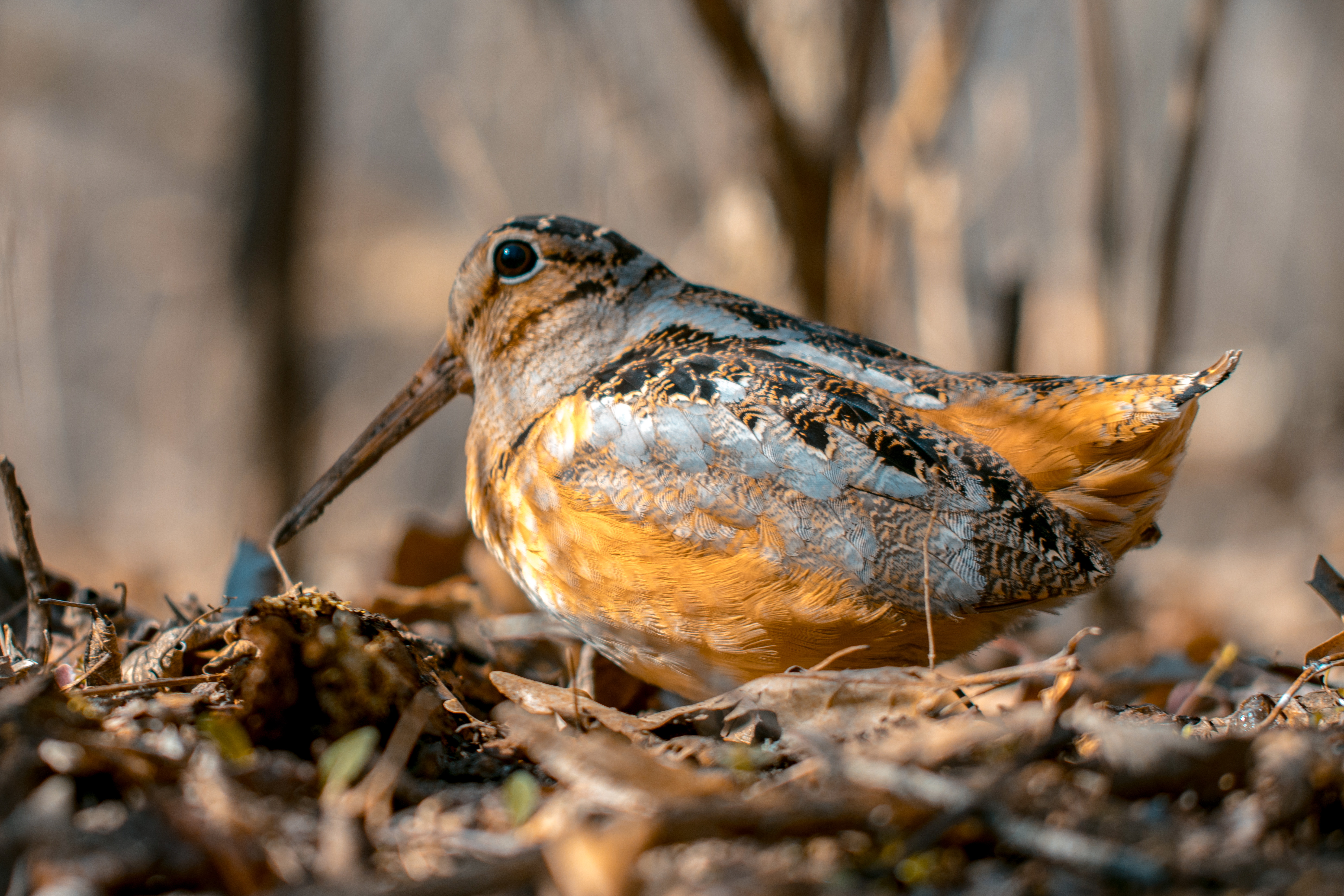
March is the demarcation of spring. This new season is brewing now as snowmelt percolates through the thick mats of leaves on the forest floor into swollen creeks. Sap is rising in the sugar maples (Acer saccharum), with its promise of sweetness after a harsh winter. The purple, mottled crowns of skunk cabbage (Symplocarpus foetidus) peek out of the thawing mud, surging toward the sun. And the quiet of winter is replaced with the cacophony of western chorus frogs (Pseudacris triseriata) accompanied by the “peent” and “whir” of American woodcocks (Scolopax minor) in the Lake County Forest Preserves in northern Illinois.
The American woodcock (Scolopax minor) is a curious species to study. Stock photo.Continue reading →