Water Connects Lake County

It comes as no surprise that in a place named “Lake County” you are never more than a stone’s throw away from water. Lake County, Illinois is scattered with thousands of acres of wetlands, dotted with over 170 lakes and rivers, crisscrossed with 400 miles of streams, and bordered by massive Lake Michigan. This year at the Lake County Forest Preserves, we are celebrating this wealth of water by exploring how Water Connects Lake County through educational programs and recreational opportunities.

One way water connects the critters of Lake County is through the magic of metamorphosis. Ponds, streams and other wetlands host and hide well-known animals in surprising forms. Take a look at the picture below. This is a type of insect found in most local bodies of water. Can you identify this creature?

Continue reading

The winter world of cottontails

Now that the icy days of January have arrived, everyone in my house has that cooped up feeling and needs to get outside for a view of the expansive winter sky. We need to breathe a bit of fresh air, regardless of how cold it might be. At dusk, my sons and I have been hiking a nearby trail that takes us through scrubby meadows and thickets. During these forays, the boys are often loud and boisterous—until they flush out a cottontail rabbit. They quickly hush. We spend the rest of the hike searching for “our” rabbit (or signs of it) as we crisscross the worn network of trails trodden with tracks.

Continue reading

Where do insects go in the winter?

Post by Allison

Earlier this week, my husband came in from the yard with a mosquito on his forehead. Had it been summer, that little tag-along would never have made it so far—but not in December. In the colder months, critters that are commonplace during the Midwestern summer are often the farthest things from our minds. It always amazes me when the weather has been cold for an extended period, then, at the first sign of warmth, insects seem to magically reappear. Where have they been hiding? How did they survive the frigid air that makes me shiver in my sweater when I’m outdoors longer than a few minutes?
Where do insects go in the winter?

Continue reading

Shrew crossing

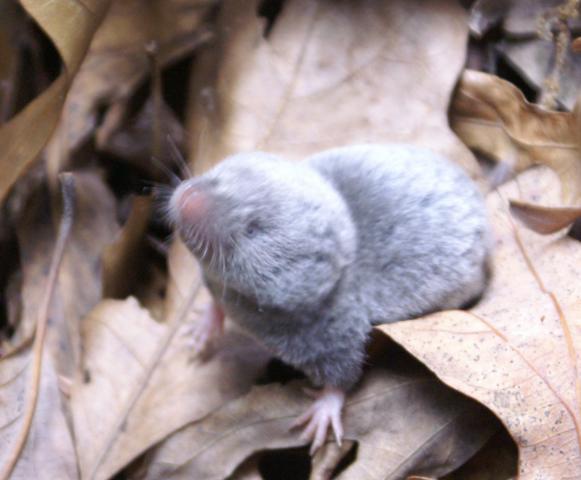
While we revel in the slow pace of these last dog days of summer, sipping one last lemonade on the porch or wandering down one last stretch of beach, there is another mammal pulsing with life that has no such concept of slowing down. One of the most abundant mammals in Illinois, the shrew lives its life entirely in the fast lane—tunneling about a foot below the ground’s surface.

There are three species of shrews that live in Lake County, Illinois. The most common species, and largest at about 4 inches long with a 1-inch tail, is the lead-colored short-tailed shrew (Blarina brevicauda). The short-tailed shrew lives in a variety of habitats from forests to grasslands and typically only lives 1-2 years.

The least shrew (Cryptotis parva), at about 3 inches long, can be distinguished by its cinnamon-colored fur and extremely short tail. Least shrews are most commonly found in open grassy areas. About the same size as the least shrew, the masked shrew (Sorex cinereus), appears grayish-brown with a longer tail and prefers low wet areas such as floodplains.

Continue reading

Nature’s fireworks

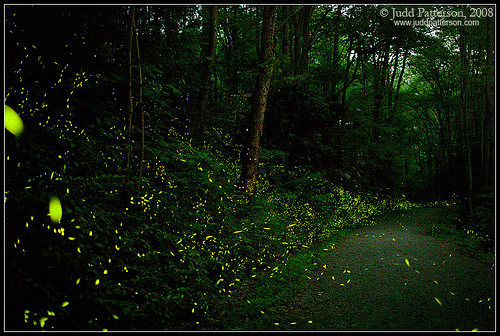
This time of the year brings dazzling firework shows high in the sky. But, look closer to the ground in grassy yards and woodlands, and you will catch that same sense of awe as a myriad of lights burst, creating nature’s very own fireworks display. Watching and catching fireflies is one of the most quintessential summer experiences in the Midwest. There is a giddiness in holding a creature in your hand and watching it glow before it flies away to join the show. Continue reading

Ground’s abuzz

During a training hike for volunteer nature guides last week, a fellow naturalist pointed out a series of pea-sized holes in the ground. I walk along this same trail regularly and had never noticed them. As our group stooped around these holes, shivering on this cold but sunny spring morning, a tiny head crept slowly out of the one of the holes. It was the head of a mining bee! Continue reading

Army of frogs

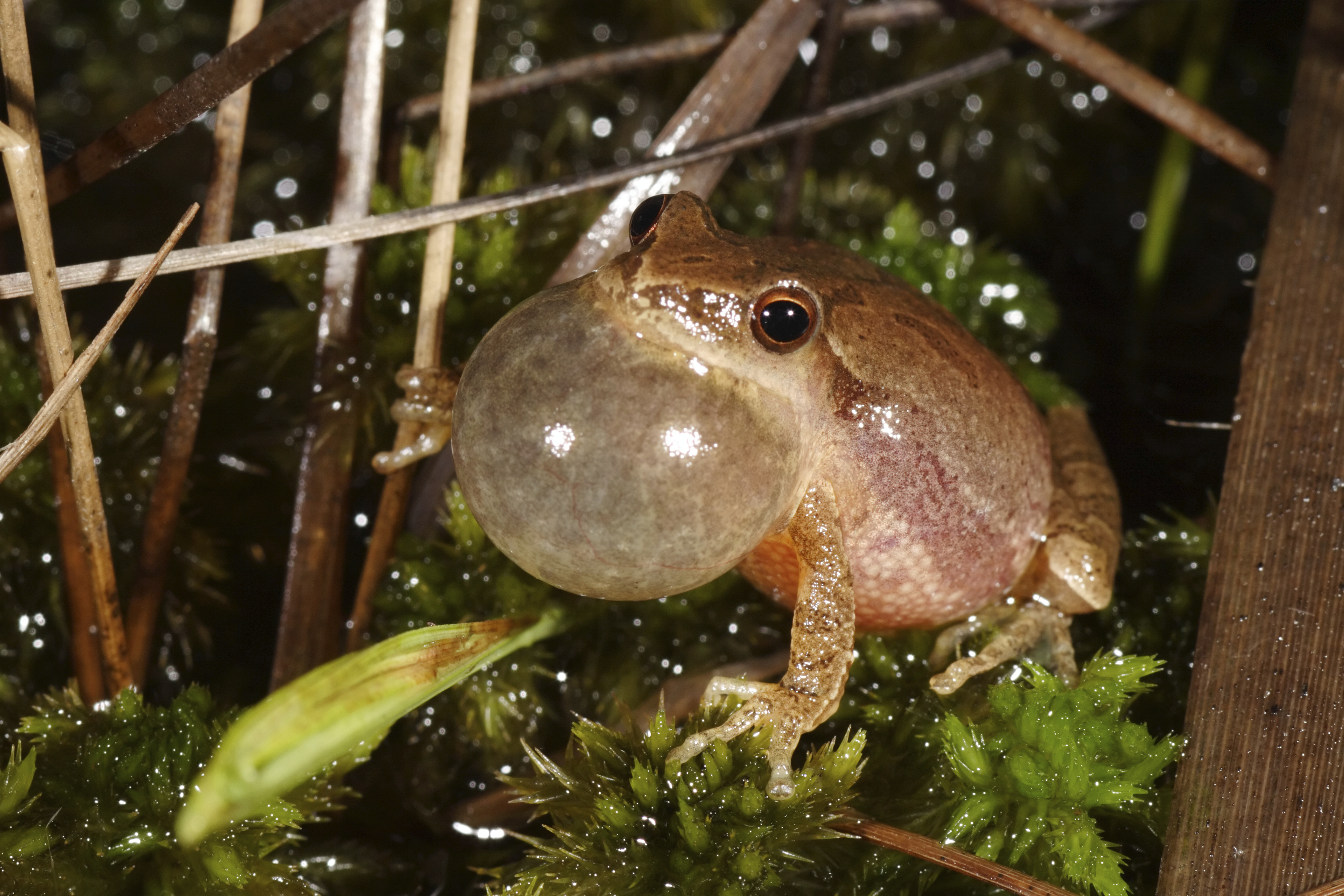
My young sons and I recently read a library book together about the names of animal groups. I was struck by how many of the group names match the animals’ behavior or movement: a parliament of owls, a flutter of butterflies, a walk of snails. The boys and I agreed our favorite group name was an army of frogs. Continue reading