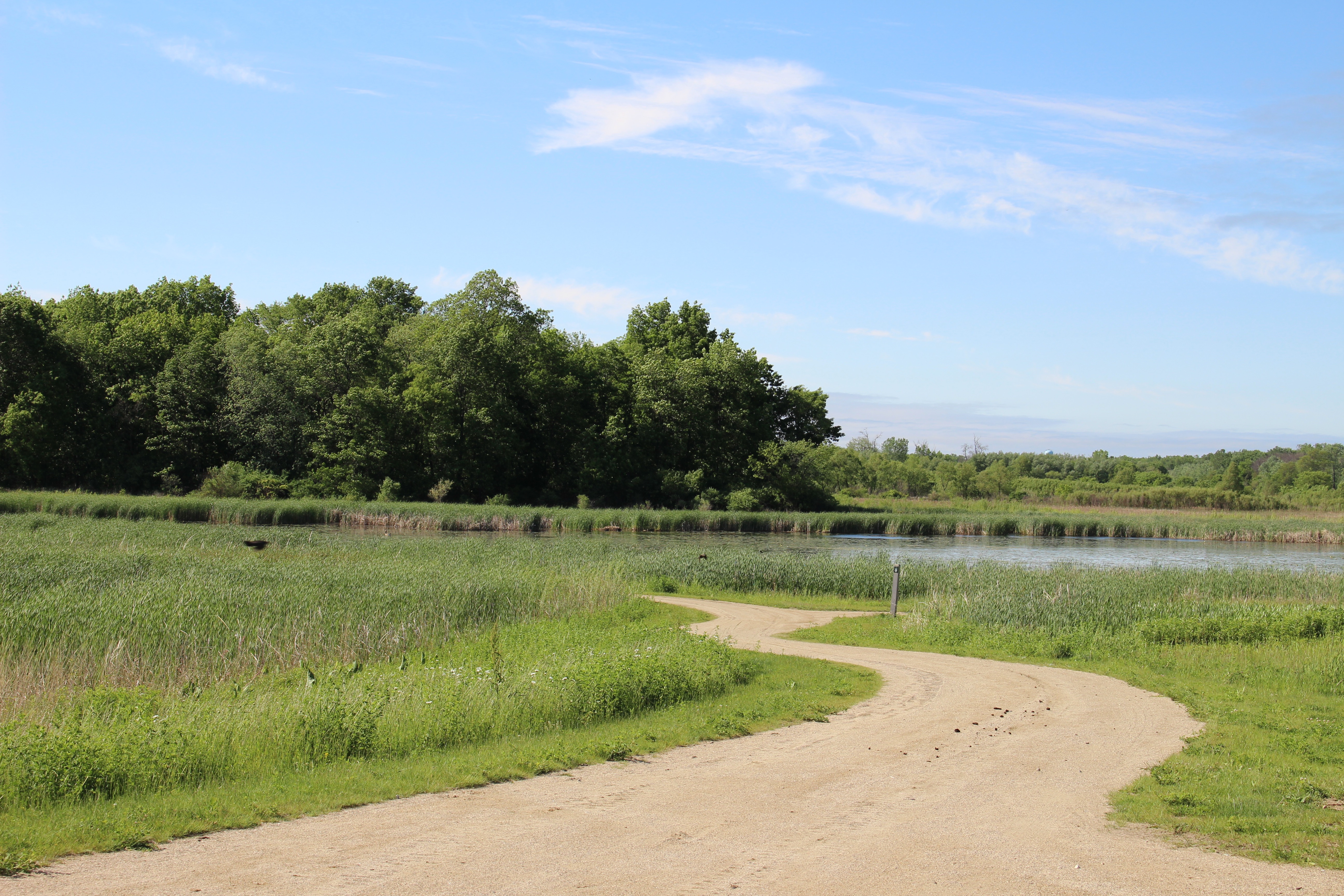
We continued our hiking journey along the Des Plaines River Trail this month, starting where we left off last time: Sedge Meadow Forest Preserve in Wadsworth, Illinois. We were lucky to have a sunny, clear day for this “heart of the summer” hike. Surprisingly, we weren’t burdened with heavy humidity, which is typical this time of the year. This section of the trail was busy with cyclists, more so than the far northern section. Everyone we passed held up a hand for a friendly greeting. Continue reading
Author Archives: lakecountynature
Des Plaines River Trail—Mile by Mile
Post by Jen Berlinghof
Over the next few months, Allison and I will be highlighting one of the jewels of the Lake County Forest Preserves: the Des Plaines River Trail and Greenway. We invite you to come along with us on this 31-mile journey, as we trek over miles and through seasons, exploring the natural niches and history around every bend in the river. We plan to hike the entire length of the trail in anticipation of its long-awaited completion. Preservation of this greenway has been a key priority since our agency’s founding in 1958. After 54 years in the making, construction has begun on the final section of this regional trail and is expected to conclude this fall. The Des Plaines River Trail and Greenway spans nearly the entire length of Lake County, Illinois for 31 miles as it winds through 12 forest preserves. It is a great trail for hiking, bicycling, cross-country skiing, horseback riding and snowmobiling (within a designated section). Continue reading
April Fools’ bird
Post by Jen Berlinghof
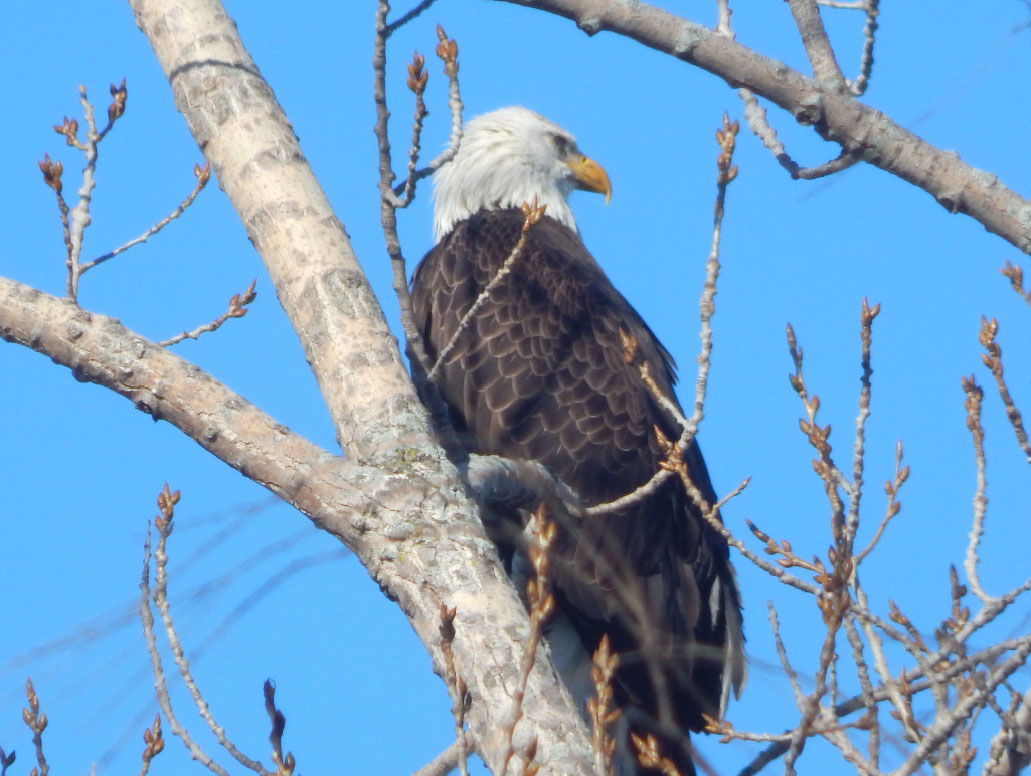
It was a windy, but bright, April 1 this year. I was on a trail at Ryerson Woods with a group of volunteers. Most of our heads were focused downward, inspecting the minutiae of a bloodroot bloom. Then, someone shouted, “EAGLES!” I truly thought the next thing shouted would be “APRIL FOOLS’!” but when we snapped our heads skyward, we saw two ivory-headed eagles swooping back and forth above the trees. No joke!
Slippery spring saga
Post by Jen Berlinghof
It was late March, fourteen years ago, when I took my first hike at Ryerson Woods. The air felt heavy with thawing snow. The sun warmed my back for the first time in many months. Standing at the edge of a small, glistening pool of water in this oak flatwood forest, I saw my first blue-spotted salamander (Ambystoma laterale). About the length of a crayon, this inky black amphibian is adorned with tiny, blue confetti-like spots on a dewy body. Blue-spotted salamanders hide in abandoned mammal burrows or under logs most of their life. Each spring, warming temperatures and increased precipitation lure these creatures out of their covert caverns for a slow and steady march to their breeding ponds.
Stories in the snow
Post by Jen Berlinghof
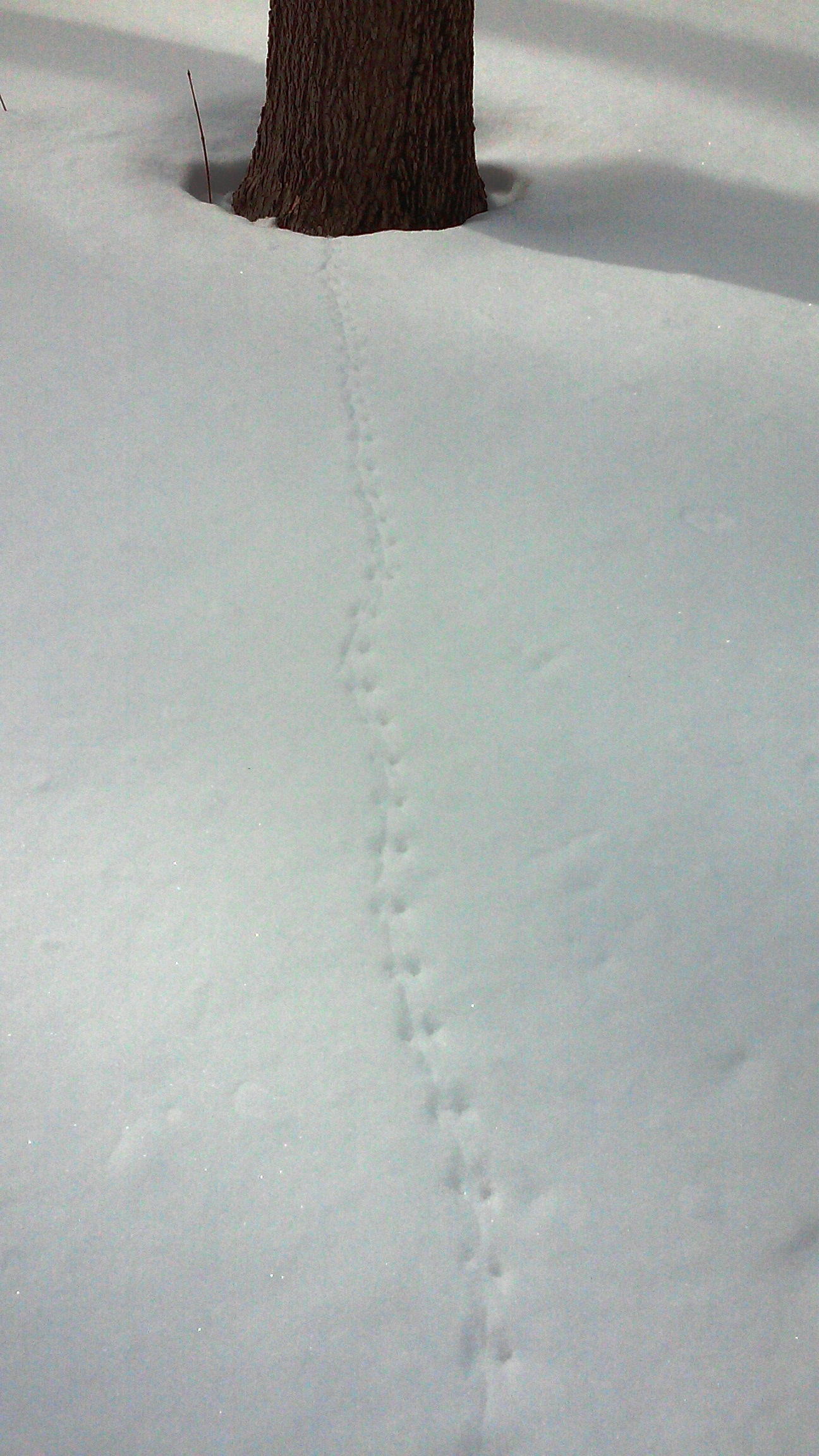
As the thermometer dipped to -8 degrees Fahrenheit this week, one thing was clear: the snow and cold are entrenched for a while longer. So are the stories of the animals, as told by the tracks etched in the frozen landscapes that sweep across the Lake County Forest Preserves. We may not see the animals themselves. However, each track, pile of scat, bit of hair clinging to a branch, hole in the snow and chewed acorn is an element of the tale from their winter excursions.
How do we decipher these stories? When trying to identify which animal made a particular track, it is important to look not only at the individual track but the overall pattern. Also, scan the surrounding habitat for clues.
Let’s see if you can figure out what happened in each of these nature vignettes:
The real Thanksgiving turkey
Post by Jen Berlinghof
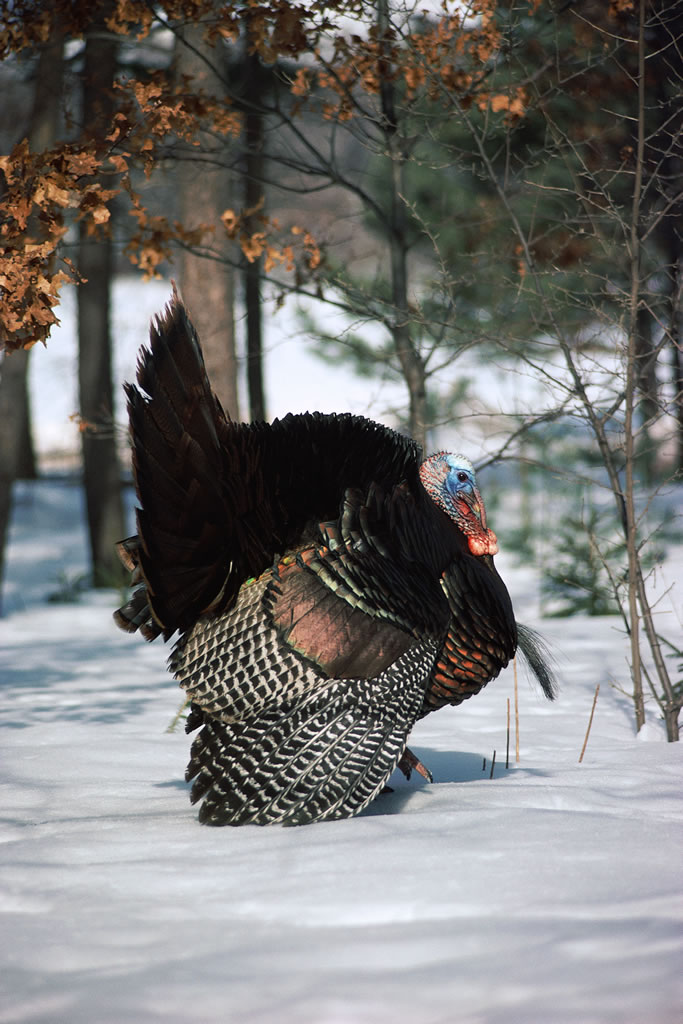
There is a lot of turkey talk in my house lately—from handprint turkey crafts to gobbling impersonations and heated discussions of who gets the wishbone this year. Come November, most of us think of turkeys as the centerpiece of a delicious feast. You might be surprised to learn that this symbol of our American heritage is not only found on platters but also resides in Lake County, Illinois woodlands; and their gobbling is growing!
Poison ivy primer
Post by Jen Berlinghof
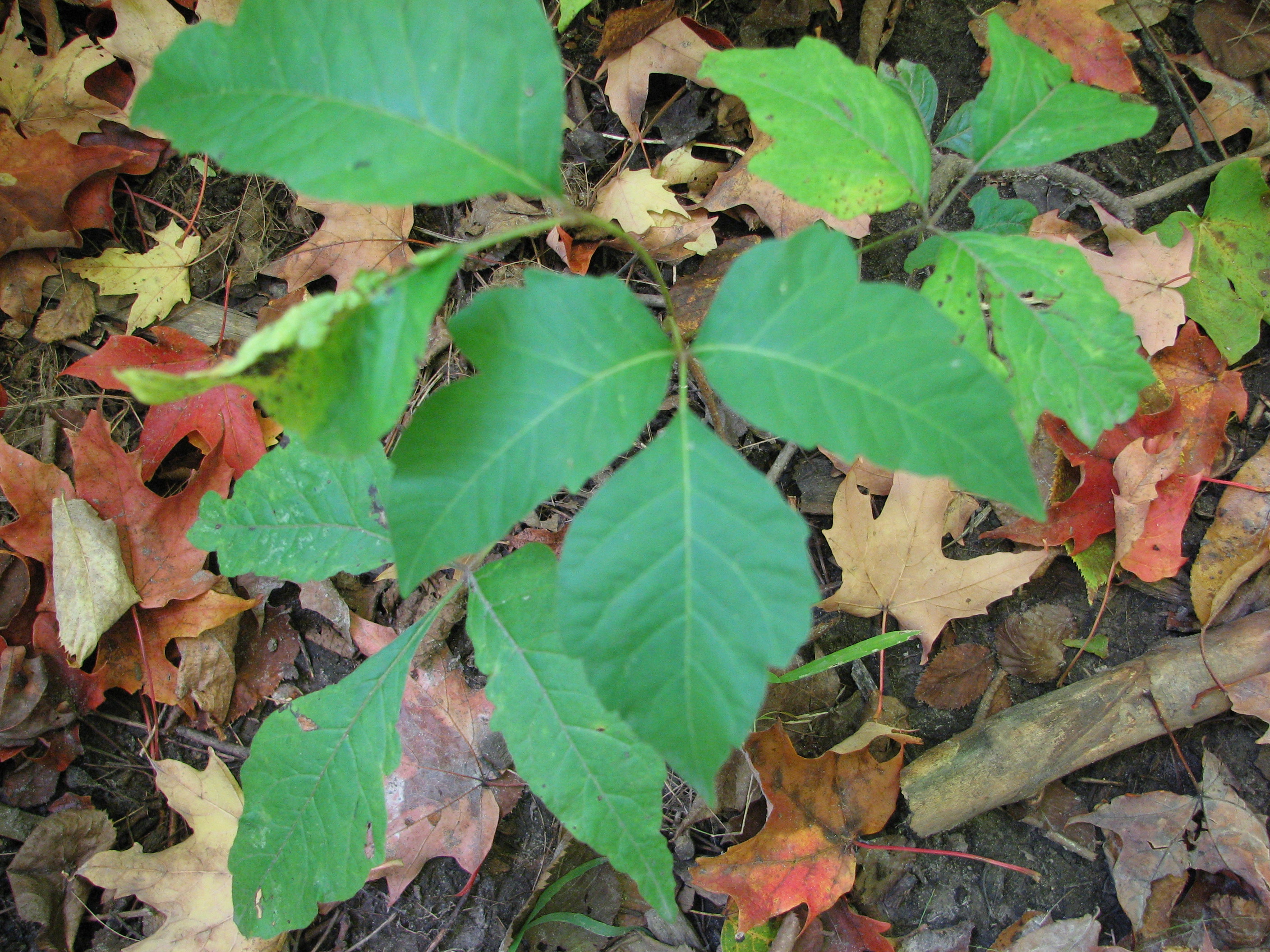
With Halloween fast approaching, much attention is given to animals that are considered “scary.” Foreboding ravens, ominous bats, super-sized spiders and snakes are everywhere. Thankfully, many people know the benefits of these critters. However, it seems there is one thing found in nature, surprisingly flora not fauna, that remains misunderstood and maligned: poison ivy (Toxicodendron radicans). The chemical urushiol in the sap of poison ivy can cause an allergic reaction in many people that results in an itchy rash. However, wildlife is not sensitive to the plant in the same way. In fact, poison ivy is an important native plant in Illinois with a host of benefits for our natural areas—from food and shelter for birds, mammals, and insects to erosion control on shorelines.
Acorn abodes
Post by Jen B
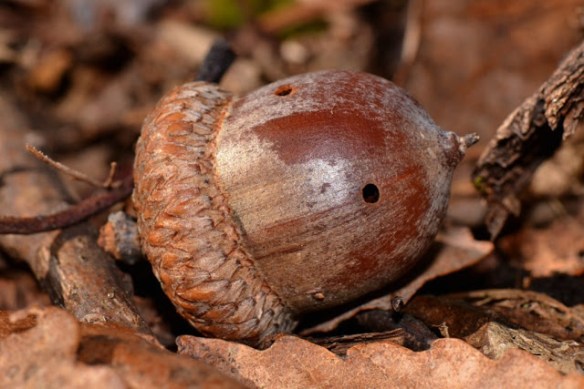
My family went on a bike ride last weekend at Ray Lake Forest Preserve. All afternoon, rain sputtered on and off as the clouds played tag with the sun. After climbing up a steep hill, the sky darkened again and we sought refuge under a canopy of large oak trees. One of my sons yelped,”Ouch! That raindrop hurt!” We quickly realized it wasn’t a raindrop, but a storm of acorns jiggled loose by the wind, plopping down on us. The trail became littered with acorns, and the kids began grabbing them. Upon inspection, the boys noticed tiny round holes in many of the acorns—evidence that these nuts were homes to acorn weevils (Curculio spp).
Final songs of summer
Post by Jen B
As summer winds down, a telltale hum that signals the changing seasons begins to ramp up in the fields and forests. These trills and chirps are the mating calls of tree crickets (Oecanthinae)—a group of fascinating insects that are often heard but seldom known or seen. Their small size and mint green color helps camouflage them amidst the verdant grasses, shrubs and trees of late summer.
Ghost of the prairie
Post by Jen B
Many years ago, while hiking through a prairie at dusk, I saw a stalk of delicate white flowers. They seemed to rise and hover above the surrounding plants like a group of little dancing ghosts. This was the first and last time I ever saw an eastern prairie fringed orchid (Platanthera leucophaea). Due to its dwindling numbers and hidden habitats, this rare plant has reached almost mythical status—a holy grail of sorts in the Midwest. We’re thrilled that this endangered native orchid seems to be gaining a foothold in the Lake County Forest Preserves, which are home to some of the largest remaining populations. Just this month, one of our restoration ecologists discovered an orchid in bloom (photo below). It was found at one of the preserves known to provide habitat for this species but is the first documentation of a population at the site.