Stories in the snow

Post by Jen Berlinghof

As the thermometer dipped to -8 degrees Fahrenheit this week, one thing was clear: the snow and cold are entrenched for a while longer. So are the stories of the animals, as told by the tracks etched in the frozen landscapes that sweep across the Lake County Forest Preserves. We may not see the animals themselves. However, each track, pile of scat, bit of hair clinging to a branch, hole in the snow and chewed acorn is an element of the tale from their winter excursions.

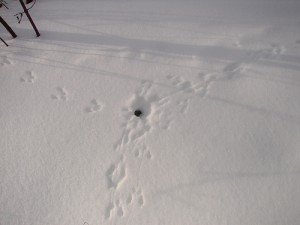
How do we decipher these stories? When trying to identify which animal made a particular track, it is important to look not only at the individual track but the overall pattern. Also, scan the surrounding habitat for clues.

Let’s see if you can figure out what happened in each of these nature vignettes:
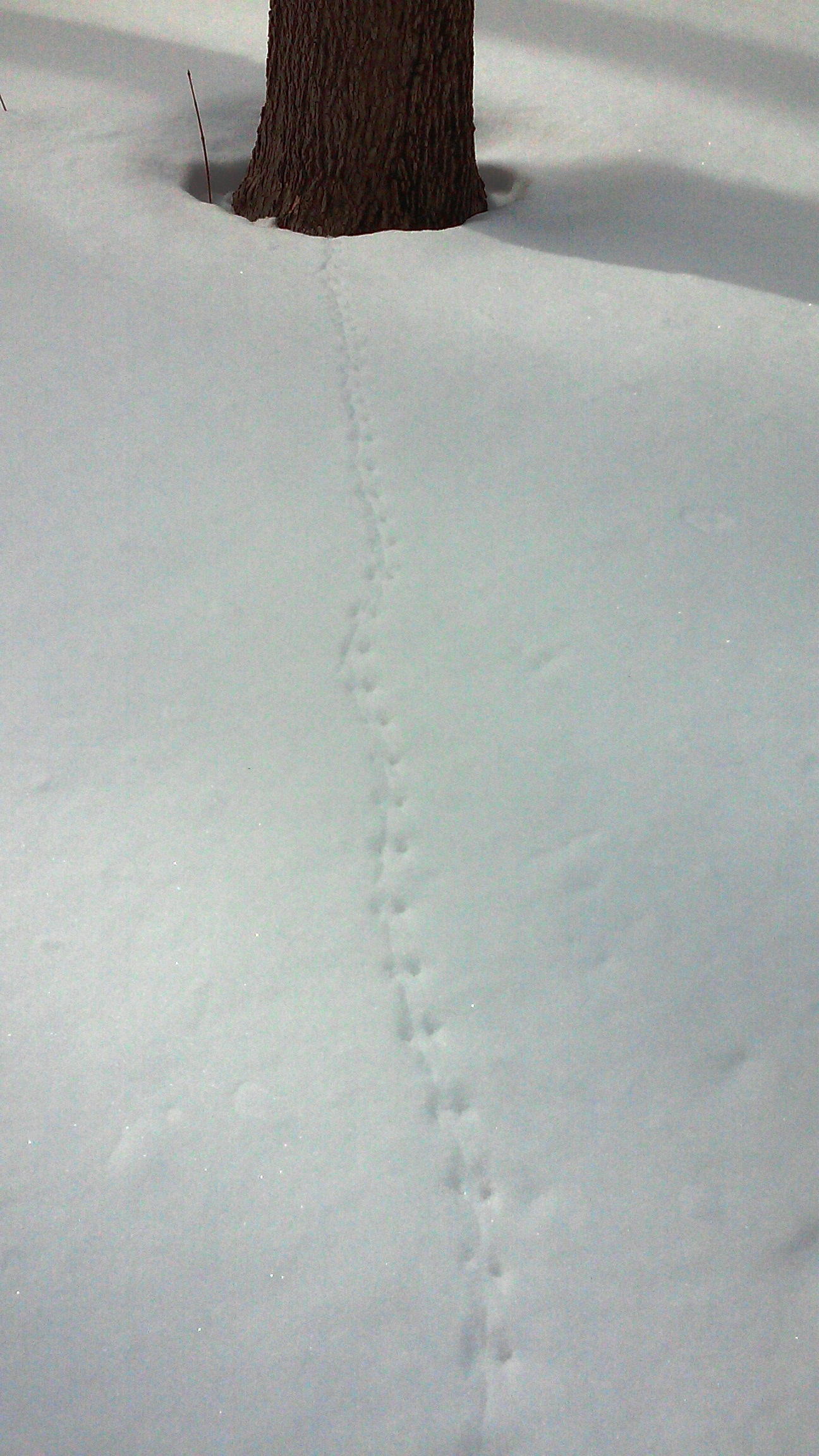
mouse tracks

Continue reading

Surviving in the subnivean

This winter has been harsh in Lake County, Illinois, causing many of us to wish we could migrate to South America like some birds do, or hibernate in a cozy underground den like the groundhog.  Alas, most of us just stick it out in the cold. It may offer consolation to know we are not the only animals active during these record-breaking cold, snowy days. It turns out there is a whole ecosystem teeming with life right under the snow.

Recently, scientists having been taking a closer look at life in the subnivean, which literally translates to “a place under the snow.” The space between the snow and the ground acts as a seasonal refuge for invertebrates, birds, and small mammals. Snow affords these small critters with remarkable insulation, and temperatures around 32 F regardless of the temperature above the snow. Biologist Bernd Heinrich explains the science underlying these insulating properties in the book Winter World: The Ingenuity of Animal Survival. “As long as both ice and water exist side by side, they constitute a thermostat keeping temperatures constant.” When water converts to ice crystals, heat releases. When ice turns into water, the process uses up heat.

Continue reading

A snowy spark

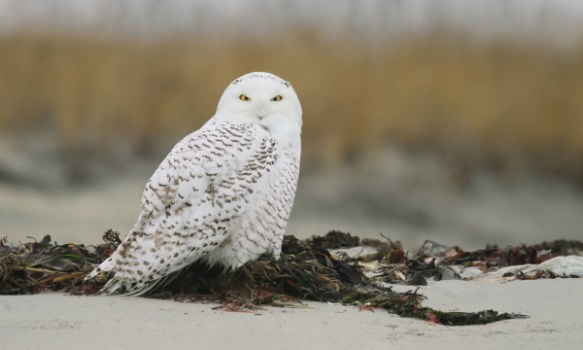
Many years ago, while running along the Lake Michigan shoreline late on an evening in January, a feathered ghost appeared on top of a flag pole. It was the first time I had ever seen a snowy owl (Bubo scandiacus) and it stopped me in my tracks. This was the spark on that frozen night that lighted my fire of curiosity about birds. This winter, snowy owls have left their Arctic homes in record numbers, causing one of the largest irruptions (sudden increase) in northern Illinois in decades.

Although it seems natural to correlate the arrival of these boreal birds with the extremely cold, snowy winter northern Illinois is having, experts say the motivator is more likely linked to food. On their Arctic breeding grounds, snowy owls feast under 24-hour sunshine. Their food of choice is lemmings, small mammals with an extremely cyclical population. Bird expert Kenn Kaufman explains in a recent Audubon magazine article, that when the lemming population explodes, like it did last summer in northern Quebec, snowy owls have great breeding success, producing large broods of up to 11 chicks. As these chicks quickly grow into juvenile birds, the competition grows for the now dwindling numbers of lemmings. Thus, the young birds get nudged further and further away to find a meal, resulting in them moving to areas that mimic their treeless tundra home, such as the Lake Michigan shoreline. Continue reading

Restoring our woodland habitats

Post by Allison

The wooded habitats along the Des Plaines River in southern Lake County, Illinois are changing. Last winter, the Lake County Forest Preserves completed 194 acres of canopy and understory thinning in woodland communities at MacArthur Woods and Grainger Woods Forest Preserves. This winter, woodland habitat restoration has begun at Captain Daniel Wright Woods and Ryerson Conservation Area, in addition to continuing at MacArthur Woods.

MAWO-WHRP-20130124-075

The restoration and species monitoring that will continue within these natural areas for the next 20 years will help ensure the sustainability of oak woodlands and the wildlife they support for many generations to come.

Winter visitors to these preserves, or vehicular passersby, will notice the use of heavy equipment, burning piles of brush, and an already visible difference in the openness of the woodland landscape. A number of canopy trees are being removed to increase the amount of sunlight reaching the ground. Visit these areas again when the leaves return, and early results of the Woodland Habitat Restoration Project will be obvious. Continue reading

The winter world of cottontails

Now that the icy days of January have arrived, everyone in my house has that cooped up feeling and needs to get outside for a view of the expansive winter sky. We need to breathe a bit of fresh air, regardless of how cold it might be. At dusk, my sons and I have been hiking a nearby trail that takes us through scrubby meadows and thickets. During these forays, the boys are often loud and boisterous—until they flush out a cottontail rabbit. They quickly hush. We spend the rest of the hike searching for “our” rabbit (or signs of it) as we crisscross the worn network of trails trodden with tracks.

Continue reading

Where do insects go in the winter?

Post by Allison

Earlier this week, my husband came in from the yard with a mosquito on his forehead. Had it been summer, that little tag-along would never have made it so far—but not in December. In the colder months, critters that are commonplace during the Midwestern summer are often the farthest things from our minds. It always amazes me when the weather has been cold for an extended period, then, at the first sign of warmth, insects seem to magically reappear. Where have they been hiding? How did they survive the frigid air that makes me shiver in my sweater when I’m outdoors longer than a few minutes?
Where do insects go in the winter?

Continue reading

Chipmunk song

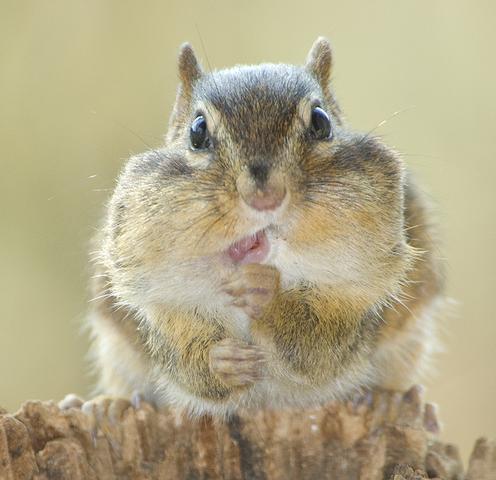
Last week as I was leading a group of adults on a fall color hike, our collective gaze turned quickly from the canopy of coppers and golds to the forest floor as we watched the flurry of chipmunk mischief unfold. We huddled around, marveling at the energy of these charming rodents.

Continue reading