Every acre strong: The Community Campaign for Lake County Forest Preserves

Post by Brett Peto

This article appears in the spring 2025 issue of Horizons, the award-winning quarterly magazine of the Lake County Forest Preserves in northern Illinois.

every acre is ESSENTIAL

Since 1958, the Lake County Forest Preserves has stewarded public funds to protect, manage and restore more than 31,200 acres across 65 sites to provide a healthy, resilient home for 28,850 native plant, animal and insect species as well as miles of trails and countless experiences for all to enjoy.

The Forest Preserves is an essential part of our community. Every acre of restored forest preserve land provides cleaner air, improved water quality, enhanced recreational and health benefits, habitat for pollinators, increased carbon storage and greater flood reduction.

But our restored lands face ongoing threats from invasive species, exotic pests and unpredictable weather. Today’s changing climate requires forward-thinking solutions and innovative, high-quality stewardship of the forest preserves to ensure they remain resilient in an uncertain future.
Continue reading

Unraveling the science of habitat restoration

Guest post by Kim Mikus

This article appears in the summer 2024 issue of Horizons, the award-winning quarterly magazine of the Lake County Forest Preserves in northern Illinois.


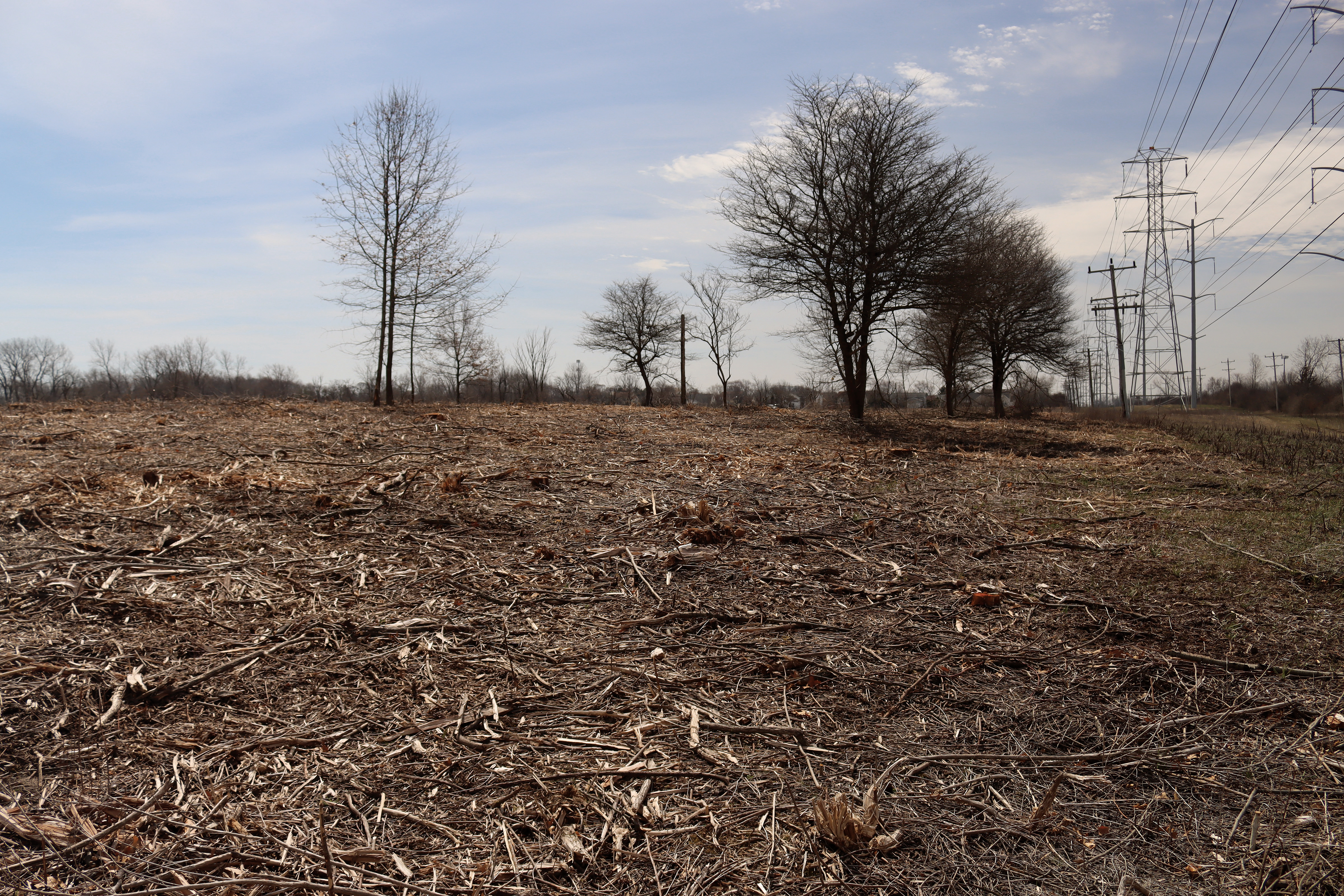
From a young age, we’re often taught that planting trees is good for the environment. So, why do we see large areas of trees sometimes removed from your forest preserves, leaving the land temporarily ragged and brown?

The answer is habitat restoration, a sequence of land management activities that improve the health, ecological function and diversity of species at a particular site, according to ecologists at the Lake County Forest Preserves. Sometimes that process involves removing non-native, invasive trees and other species.

During restoration efforts, you may see dramatic visual differences.

Two images showing a 40-acre area at Greenbelt Forest Preserve (North Chicago) during and after restoration.
Continue reading

Monitoring for the future

Post by Jen Berlinghof

It was a bone-chilling winter’s day at Captain Daniel Wright Woods in Mettawa—part of the Lake County Forest Preserves in northern Illinois—when a group of five gathered to monitor for the future. Our crew consisted of Restoration Ecologists Ken Klick and Dan Sandacz, Environmental Educator Eileen Davis, Environmental Communications Specialist Brett Peto and myself.

It’s all hands on deck for an ambitious new tree monitoring program with the lofty goal of sampling every woodland, upland forest and flatwoods habitat within the Forest Preserves every 10–15 years. Ken and Dan are spearheading this project.

In the field, the pair are like bookends. Ken has served 25 years at the agency, while Dan is fresh to the Forest Preserves, starting his tenure this past fall. The two have opted to take a collaborative approach, inviting volunteers from our Natural Resources and Education Departments to help with this significant undertaking.

A leisurely stream flows through Wright Woods in Mettawa. Photo © Lake County Forest Preserves.
Continue reading

What’s wrong with this picture?

Editor’s note: hey readers, Brett Peto here. This month, guest author Pati Vitt, Manager of Restoration Ecology at the Lake County Forest Preserves in northern Illinois, returns with the third part of her series about our research project to restore 180 acres of former farmland within Grant Woods Forest Preserve in Ingleside using a climate-adapted, regionally sourced native seed mix.

This past winter, we planted 800 pounds of native grass seed from southern Illinois and Kentucky in the project area. The goal was (and still is) to help us understand whether we should source native seeds from further south to make our future restoration projects more resilient to climate change.

Unfortunately, as you can probably tell from the photo below, even the best-laid plans can go awry. And so they did, when an unseasonable early drought struck. Pati will pick it up from here.

The author's boot atop a drought-parched patch of soil at Grant Woods in Ingleside. Photo © Lake County Forest Preserves.
The author’s boot atop a drought-parched patch of soil at Grant Woods in Ingleside. Photo © Lake County Forest Preserves.
Continue reading

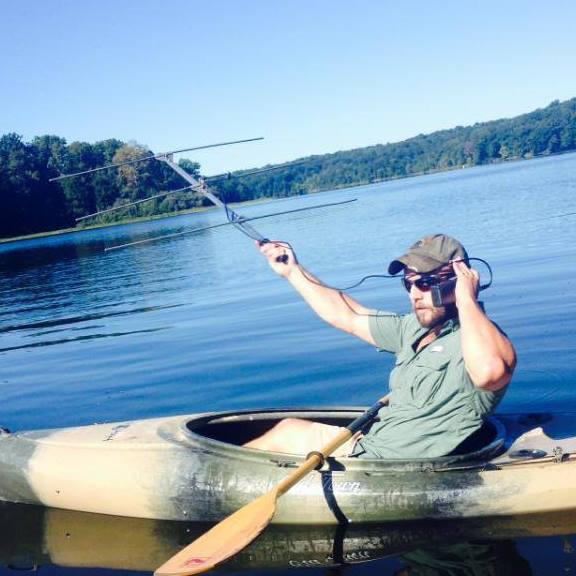
In search of river otters

Guest post by Andrew Rutter

I had just finished my time as a Masters student at Southern Illinois University with the Cooperative Wildlife Research Lab, studying river otter (Lontra canadensis) ecology, when I took my first full-time position as a wildlife biologist with the Lake County Forest Preserve District in Illinois.

Having spent the last two years of my life entirely focused on river otters, I figured my time studying the species was at an end. Although my research team and I found them to be relatively abundant where we focused our research efforts in southern Illinois, I did not expect the same to be true farther north in Lake County.

Continue reading

Turtle Champions

Post by Allison Frederick

109 adopted turtles!

bltu-20161104-004Our inaugural campaign to enhance conservation efforts and further protect an endangered species was a huge success. Donations poured in from Lake County and beyond (as far away as California!) to adopt baby Blanding’s turtles, allowing us to continue our head-starting program and field work next summer. Continue reading

Saving the Blanding’s Turtle

Post by Allison Frederick

It was [dare we say] a perfect June day. Mostly sunny. Air temperature hovering around 75 degrees with a gentle breeze blowing off Lake Michigan, a mere 600 meters from where we stood. Sandhill cranes were bugling nearby in the marsh. Yellow warblers sang from the reeds, as we approached with 99 juvenile Blanding’s turtles. The young turtles were still quite small at 8 centimeters long and a mere 80 grams, but ready nonetheless for release into their natural habitat.

Continue reading

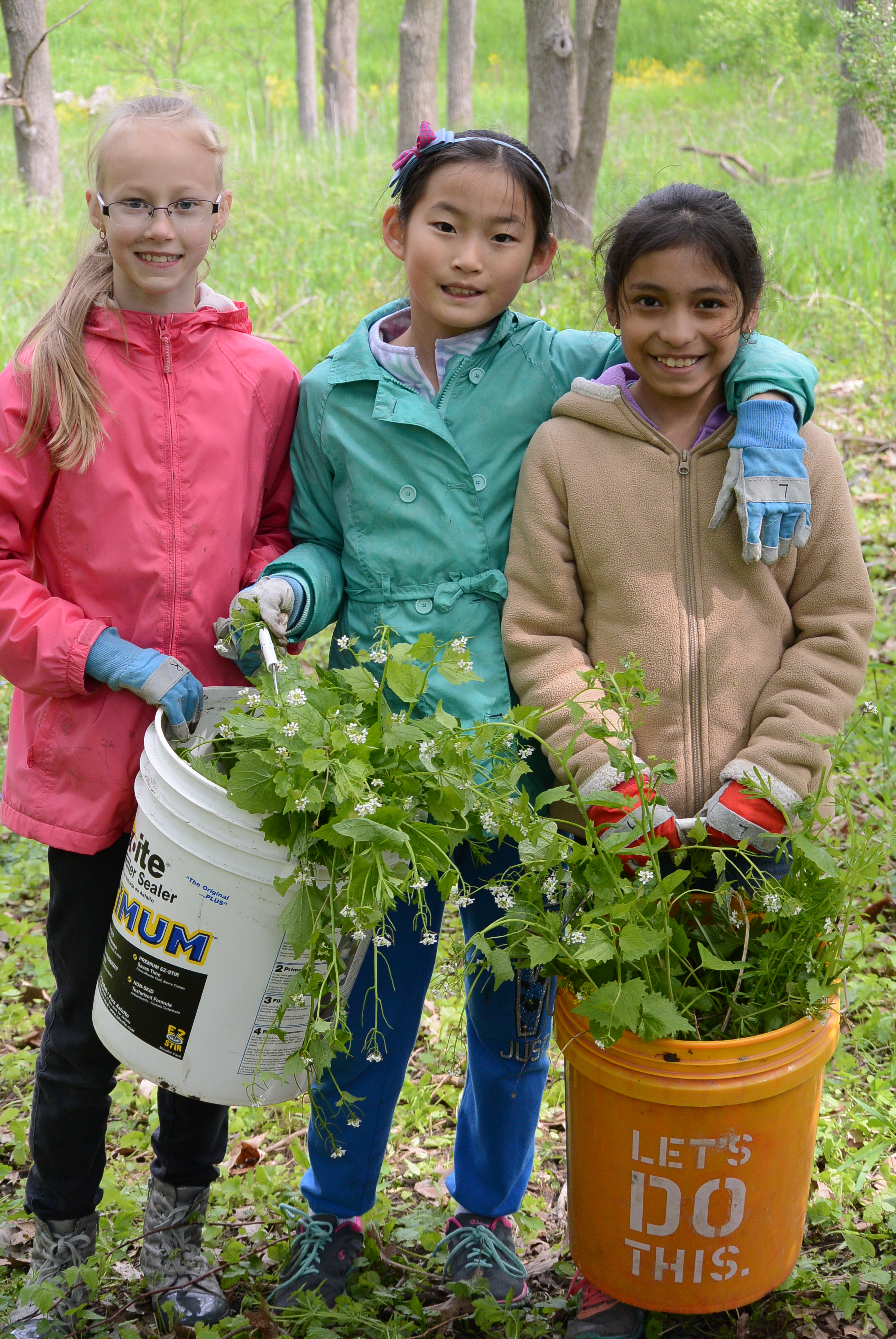
Habitat Heroes

Post by Jen Berlinghof

girls&garlic mustard

A group of third-graders from May Whitney Elementary School in Lake Zurich has come to the rescue at Cuba Marsh Forest Preserve. Instead of learning their science standards solely in the classroom, Mrs. Hosteland’s class is addressing an authentic environmental issue through investigation, research and collaborative reports that offer solutions to address the issue of invasive species. These hardworking 8- and 9-year-olds then presented their reports to the District 95 School Board and Lake County Forest Preserve officials. Continue reading

Bluebirds are back!

Post by Jen Berlinghof

Last week while I was out checking our sap collection buckets at Ryerson Conservation Area, everything in the woods seemed a bleak brown and gray. It didn’t look much like spring was on our doorstep, but it sure sounded like it with the “plink plink” of sap dripping into aluminum buckets on the sugar maple trees and the slow “peep peep” of cold, little spring peeper frogs. Then, a male eastern bluebird landed on the branch above my head. He was a vivid blue exclamation point that seemed to shout, “Spring has arrived!”

ISTOCK-EABL-001 Continue reading

Saving a globally threatened ecosystem

Post by Allison Frederick
P1000937

The Chicago Wilderness alliance recently honored the Lake County Forest Preserves in Illinois for achieving the Excellence in Ecological Restoration accreditation.

From vast woodlands to rolling prairies, the Chicago Wilderness Excellence in Ecological Restoration program showcases conservation leadership and site-based restoration by recognizing high-quality natural areas and the organizations that manage them.

MISA-20110907-PhilHauck

Natural areas are assessed by a set of rigorous, science-based standards that recognize best practices in natural resource management. Conservation experts from across the region review the assessments to determine if a site meets one of the accreditation levels: Platinum, Gold, Silver or Bronze.

The Lake County Forest Preserves recently received a Platinum accreditation, the highest level possible, for Middlefork Savanna Forest Preserve. This accreditation recognizes the expertise, creativity and drive of our natural resource staff in forming and leading a coalition of federal, state and regional partners to restore this site.

Continue reading