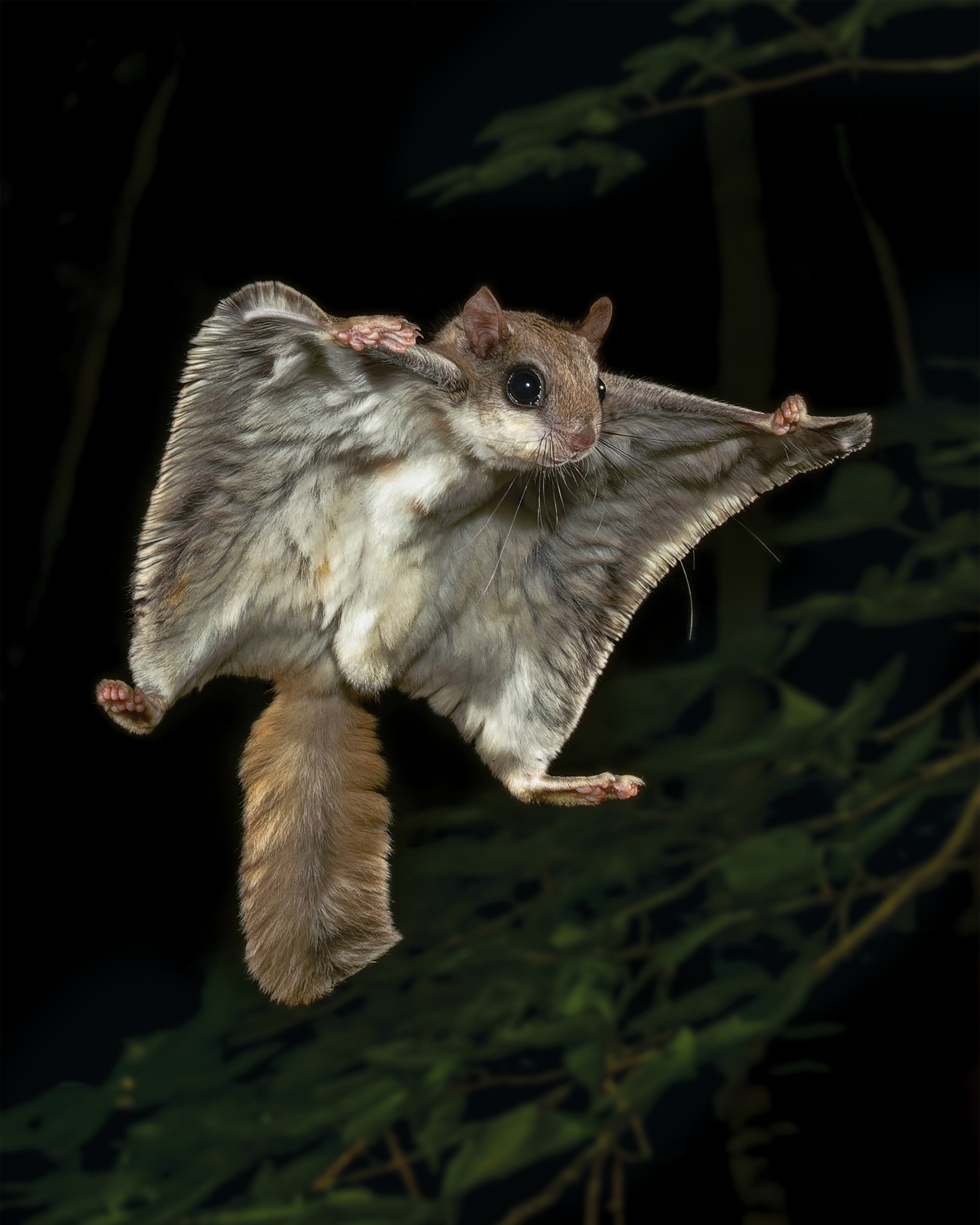
A southern flying squirrel (Glaucomys volans) glides gracefully across the nighttime sky. Weighing only 1–3 ounces, this small, nocturnal mammal uses loose skin like a wing-suit to stay aloft. The species is native to North America—including Lake County—and Central America.
When you settle into bed for the evening, another world awakens. Flying squirrels launch between trees, bats emerge from roosts and owls begin their silent hunts.
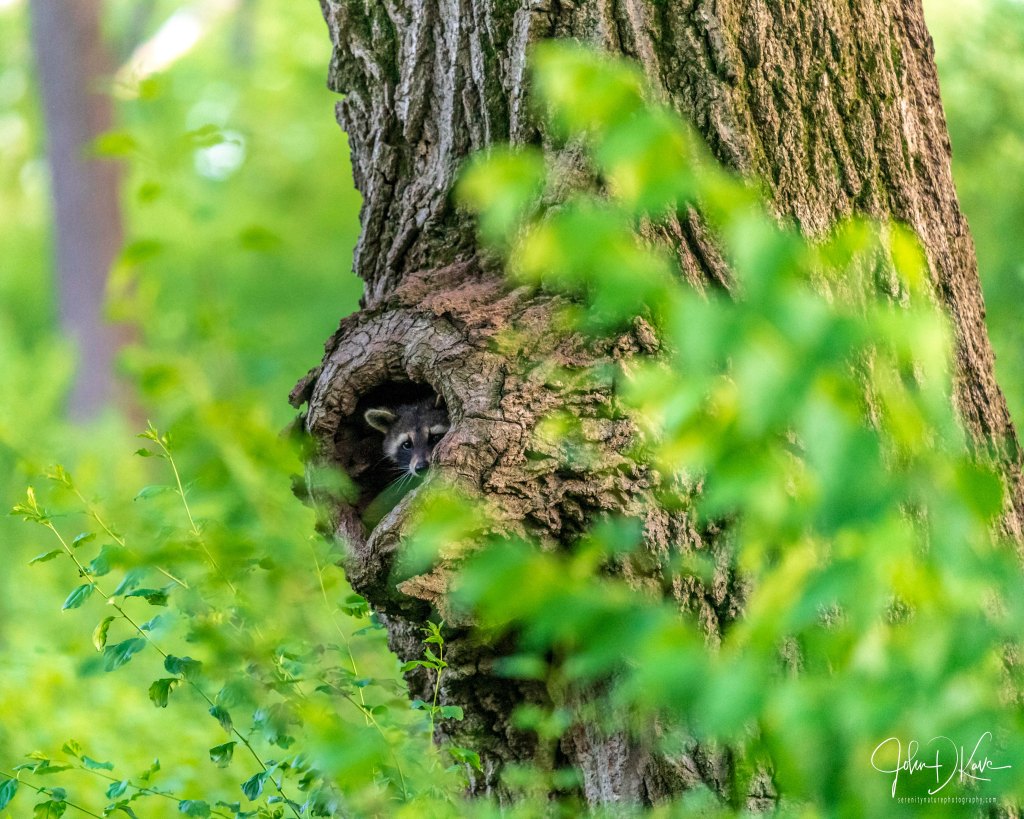
Your forest preserves provide the food, water, shelter and darkness these animals need during their night shifts. Despite their abundance and proximity, our nocturnal neighbors can seem mysterious. The dark obscures their unique activities.
The Forest Preserves is an essential part of our community. Every acre of restored forest preserve land provides cleaner air, improved water quality, enhanced recreational and health benefits, habitat for pollinators, increased carbon storage and greater flood reduction.
But our restored lands face ongoing threats from invasive species, exotic pests and unpredictable weather. Today’s changing climate requires forward-thinking solutions and innovative, high-quality stewardship of the forest preserves to ensure they remain resilient in an uncertain future.
The alarm clock is ready to ring for the periodical cicadas of Lake County. The previous mass emergence of these impressive bugs in 2007 set the alarm for 2024. During spring and summer 17 years ago, millions of cicadas tunneled out of the soil, crawled up trees, sang, mated and completed their life cycle. This will be a magical year for their offspring.
The back-to-school season in early fall brings restlessness and routine to my house. I’m struck by how it parallels the flurry of fall migration across the natural world: a return to the patterns of movement ingrained over generations.
Green darner (Anax junius) dragonflies skim the skies by the dozens along the lakefront at Fort Sheridan in Lake Forest, their wings glittering. Fields of bee balm (Monarda didyma) along the 31.4-mile Des Plaines River Trail quiver with monarch butterflies (Danaus plexippus) nectaring to gear up for their epic journey. And, sporting less vibrant feathers than in the spring, migratory birds take flight in muted autumnal tones, heading south. As the sun sets in September and the harvest moon rises, this silent surge of fall migration commences.
One May many years ago, I was biking the Millennium Trail and Greenway from Lakewood in Wauconda to Singing Hills in Round Lake—two sites of the Lake County Forest Preserves in northern Illinois—to time out an activity for summer camp. That’s when I first noticed a distinctive blackbird magically appear from within the tall grasses.
This happened at least 30 times as I cycled the winding 1.62-mile trail section from Gilmer Road to the Singing Hills parking lot. As I coasted by these birds, I detected a “chunk” call and noticed their color pattern, which has been described as a classic black tuxedo worn backwards.
I wondered who this dapper fellow was and why there were so many along this route, emerging from this habitat. I would soon learn this pop-up-from-the-grasses blackbird was none other than the bobolink (Dolichonyx oryzivorus). It’s eastern North America’s only songbird whose feathers are black below and mostly white above, with a buttery, cream-yellow nape. Keep watch for a white rump, too, as he takes flight.
In February, sensational sunrises and sunsets break up the stark days and cold, dark nights of a waning winter. Dawn and dusk not only bring the thrill of color to a monochrome landscape, but also the best chance of hearing and seeing nocturnal raptors. As the mercury drops, owl courtship heats up. While many other birds head south for winter, owls pair up and hunker down. At night, the soundtrack of our resident species’ hoots and hollers fills the Lake County Forest Preserves in northern Illinois, offering us a glimpse into an otherwise hidden world.
Fast forward to summer 2021. The hum continues to reverberate after multiple sightings of this keystone species were documented across the county from Flint Creek to Wadsworth Savanna in Wadsworth. While summer’s the height of hive activity, the shoulder seasons—usually defined as May, June, September and October—might be key to the success of the rusty patched bumble bee. This is partly due to the timing, or phenology, of the species’ lifecycle. It’s one of the first bees to emerge in spring and the last to enter hibernation in fall.
I found a feather today and it stopped me in my tracks. There it was, tucked into the dewy grass—a single, beautiful feather just lying next to my sidewalk.
It’s not uncommon to come across feathers in my work at the Lake County Forest Preserves in northern Illinois. My naturalist brain immediately started to assess the discovery, analyzing it on a few key points.
There’s solace to be found in the fact that the rhythms of nature march on. This spring, the sun still rises. The wild leek (Allium tricoccum) still pulses its verdant green arms through the pulpy leaf litter of the forest floor. The birds still surge through the skies as they migrate to and through the Lake County Forest Preserves in northern Illinois. Like us, some of these birds are inclined to congregate in large communities. Over the years, the colonies of a particular species, the purple martin (Progne subis), have become largely reliant on people to provide shelter for their nesting flocks.





 Lake County Nature