2015 in review

The WordPress.com stats helper monkeys prepared a 2015 annual report for our Lake County Nature blog. Highlights include 11,000+ views and visits from over 100 countries!

Thanks for reading! See you in 2016!

Here’s an excerpt:

The concert hall at the Sydney Opera House holds 2,700 people. This blog was viewed about 11,000 times in 2015. If it were a concert at Sydney Opera House, it would take about 4 sold-out performances for that many people to see it.

Click here to see the complete report.

Des Plaines River Trail—Route 60 to Route 22

Post by Jen Berlinghof

As the hours of daylight drastically shorten in November, the miles of our hike along the entire Des Plaines River Trail quickly stack up. The trek south along this stretch of the trail from Route 60 to Route 22 was summed up in the stillness of bare branches that were silhouetted against the sky and reflected back from mirrors of water in the surrounding floodplain forest. Continue reading

Des Plaines River Trail—Independence Grove to Route 60 Canoe Launch

Post by Jen BerlinghofIMG_8215

As our hike continued south along the Des Plaines River Trail, we began to see, feel and hear the palpable signs of the seasons shifting from summer to autumn. We were not the only ones heading south along this greenway. Small flocks of Swainson’s thrushes and yellow-rumped warblers created a ruckus of fluttering feathers in search of sustenance. Continue reading

Des Plaines River Trail—Kilbourne Road to Independence Grove

Post by Jen BerlinghofIMG_7700

Our adventure to traverse the entire length of the Des Plaines River Trail continued with our trek from Kilbourne Road to Independence Grove Forest Preserve under the shining sun and heavy air of late summer. The air was heavy not only with humidity, but with the calls of cicadas, tree crickets, and katydids melding into a three-part harmony that signaled the end of summer. The air was also pregnant with the perfume of flowering plants. It was clear that this hike belonged to the bugs and blooms. Continue reading

Des Plaines River Trail—Wadsworth Road to Kilbourne Road

Post by Jen BerlinghofIMG_4642

We continued our hiking journey along the Des Plaines River Trail this month, starting where we left off last time: Sedge Meadow Forest Preserve in Wadsworth, Illinois. We were lucky to have a sunny, clear day for this “heart of the summer” hike. Surprisingly, we weren’t burdened with heavy humidity, which is typical this time of the year. This section of the trail was busy with cyclists, more so than the far northern section. Everyone we passed held up a hand for a friendly greeting. Continue reading

Des Plaines River Trail—Mile by Mile

Post by Jen BerlinghofIMG_4343Over the next few months, Allison and I will be highlighting one of the jewels of the Lake County Forest Preserves: the Des Plaines River Trail and Greenway. We invite you to come along with us on this 31-mile journey, as we trek over miles and through seasons, exploring the natural niches and history around every bend in the river. We plan to hike the entire length of the trail in anticipation of its long-awaited completion. Preservation of this greenway has been a key priority since our agency’s founding in 1958. After 54 years in the making, construction has begun on the final section of this regional trail and is expected to conclude this fall. The Des Plaines River Trail and Greenway spans nearly the entire length of Lake County, Illinois for 31 miles as it winds through 12 forest preserves. It is a great trail for hiking, bicycling, cross-country skiing, horseback riding and snowmobiling (within a designated section). Continue reading

April Fools’ bird

Post by Jen Berlinghof

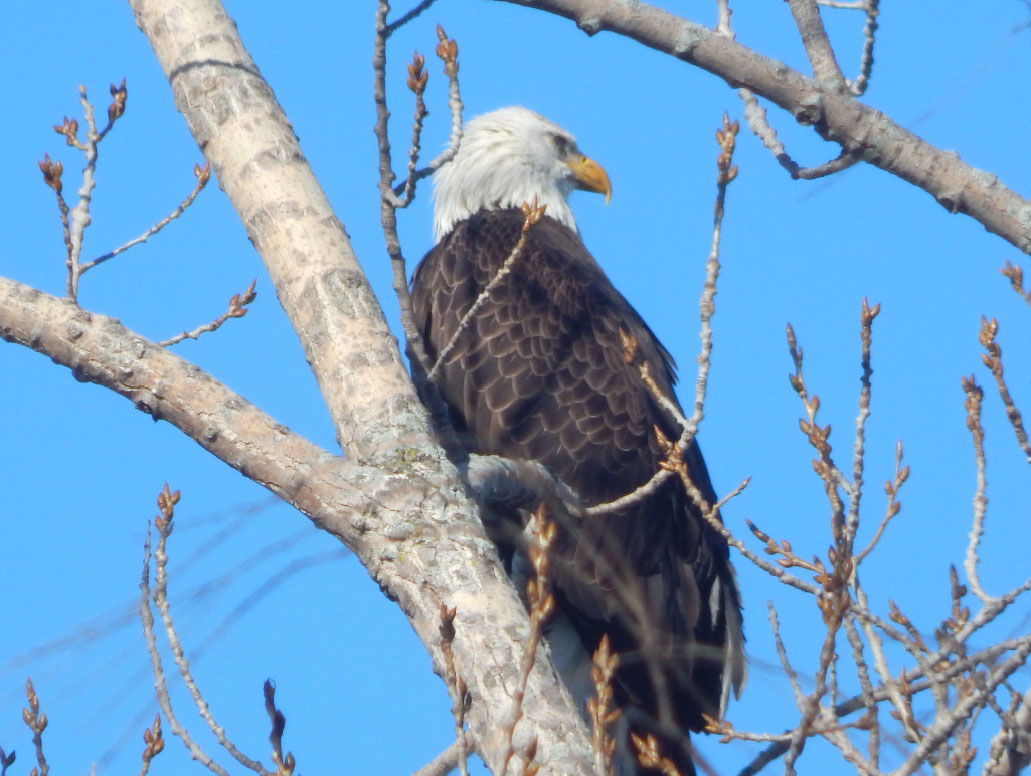
It was a windy, but bright, April 1 this year. I was on a trail at Ryerson Woods with a group of volunteers. Most of our heads were focused downward, inspecting the minutiae of a bloodroot bloom. Then, someone shouted, “EAGLES!” I truly thought the next thing shouted would be “APRIL FOOLS’!” but when we snapped our heads skyward, we saw two ivory-headed eagles swooping back and forth above the trees. No joke!

Continue reading

Slippery spring saga

Post by Jen Berlinghof

It was late March, fourteen years ago, when I took my first hike at Ryerson Woods. The air felt heavy with thawing snow. The sun warmed my back for the first time in many months. Standing at the edge of a small, glistening pool of water in this oak flatwood forest, I saw my first blue-spotted salamander (Ambystoma laterale). About the length of a crayon, this inky black amphibian is adorned with tiny, blue confetti-like spots on a dewy body. Blue-spotted salamanders hide in abandoned mammal burrows or under logs most of their life. Each spring, warming temperatures and increased precipitation lure these creatures out of their covert caverns for a slow and steady march to their breeding ponds.

Continue reading

Stories in the snow

Post by Jen Berlinghof

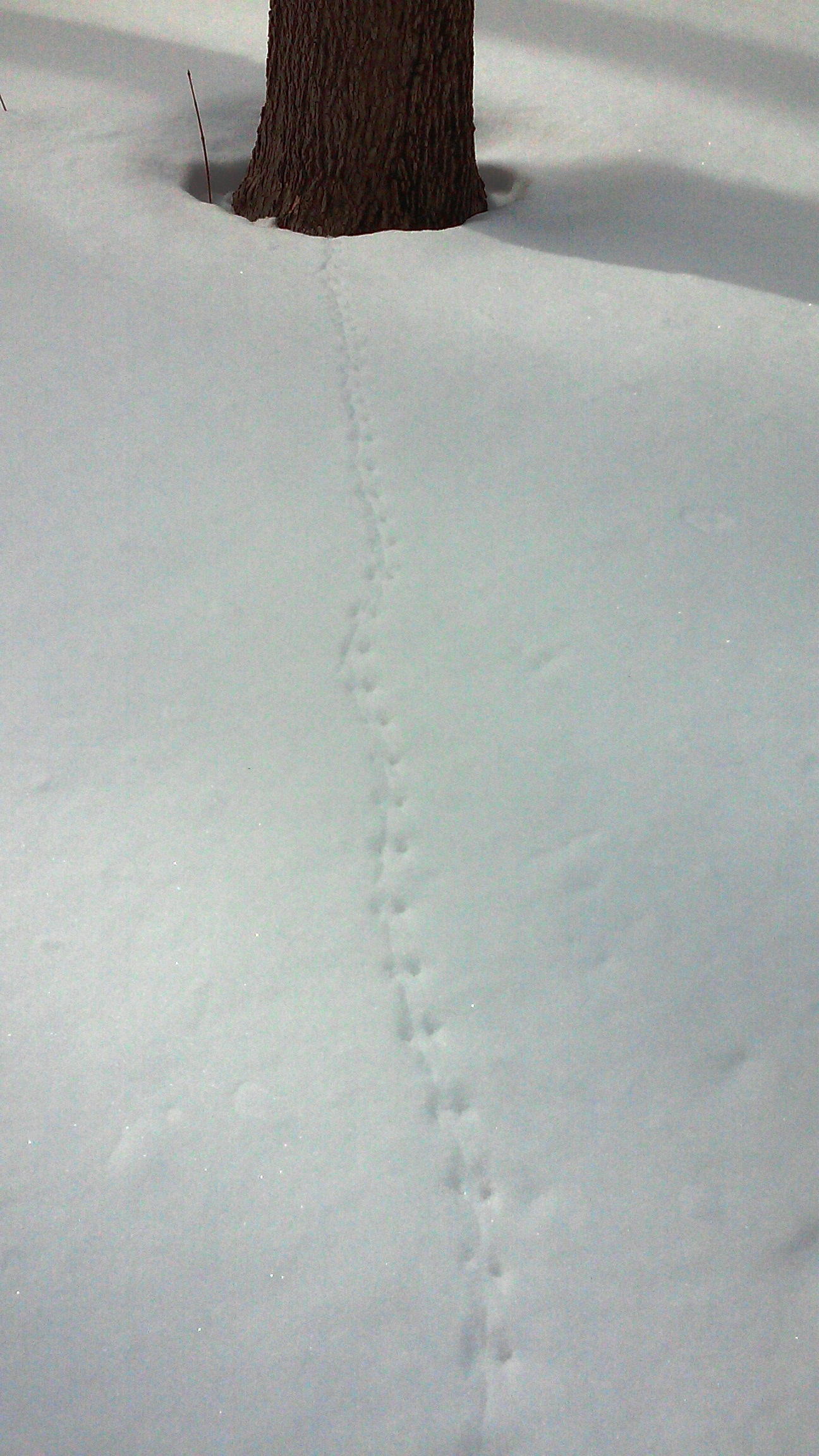
As the thermometer dipped to -8 degrees Fahrenheit this week, one thing was clear: the snow and cold are entrenched for a while longer. So are the stories of the animals, as told by the tracks etched in the frozen landscapes that sweep across the Lake County Forest Preserves. We may not see the animals themselves. However, each track, pile of scat, bit of hair clinging to a branch, hole in the snow and chewed acorn is an element of the tale from their winter excursions.

How do we decipher these stories? When trying to identify which animal made a particular track, it is important to look not only at the individual track but the overall pattern. Also, scan the surrounding habitat for clues.

Let’s see if you can figure out what happened in each of these nature vignettes:

mouse tracks

Continue reading

Saving a globally threatened ecosystem

Post by Allison Frederick
P1000937

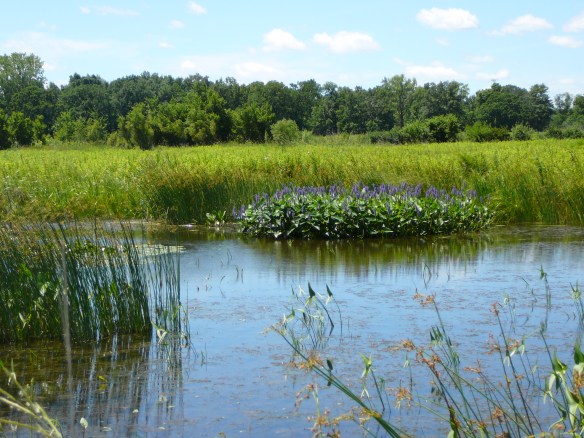
The Chicago Wilderness alliance recently honored the Lake County Forest Preserves in Illinois for achieving the Excellence in Ecological Restoration accreditation.

From vast woodlands to rolling prairies, the Chicago Wilderness Excellence in Ecological Restoration program showcases conservation leadership and site-based restoration by recognizing high-quality natural areas and the organizations that manage them.

MISA-20110907-PhilHauck

Natural areas are assessed by a set of rigorous, science-based standards that recognize best practices in natural resource management. Conservation experts from across the region review the assessments to determine if a site meets one of the accreditation levels: Platinum, Gold, Silver or Bronze.

The Lake County Forest Preserves recently received a Platinum accreditation, the highest level possible, for Middlefork Savanna Forest Preserve. This accreditation recognizes the expertise, creativity and drive of our natural resource staff in forming and leading a coalition of federal, state and regional partners to restore this site.

Continue reading