With June comes the arrival of many eagerly awaited events. It’s the end of the school year and the beginning of a season of bare feet, beaches, camping trips and baseball games. In my house, one thing we are not excited about is the return of ants that parade around our kitchen. We know these ants are not going to cause us any harm. But, when a horde of them begins an organized march around the rim of my sons’ cereal bowls, it starts to bug me. At the same time, I realize they are just doing their job. It is a highly evolved social structure that allows these ants such precision in the tasks at hand—carrying away crushed Cheerios from the kitchen floor for their own pantries, taking to the air for a ritualized mating flight, deciding which eggs will be fertilized, or starting a new colony from the ground up.
Author Archives: lakecountynature
Heron highrise
This past weekend I had the pleasure of hearing Kenn Kaufman, a naturalist and bird expert, speak at the Smith Nature Symposium. He is somewhat of a “rock star” in the birding world. His novel, Kingbird Highway, chronicles a personal adventure hitchhiking around the country at the age of 16 on a quest to find birds—a story that has reached the status of folklore. Many years later, and surely a much longer “life list,” his keynote address at Ryerson Conservation Area focused on warbler migration: the phenomenon of these teeny tiny birds in every hue of the rainbow that travel thousands of miles across entire continents each spring and fall. He presented complicated doppler maps and in-depth scientific research on these migratory dynamos, but by the end of the discussion the focus had shifted to something more simple: the children from his young birders club.
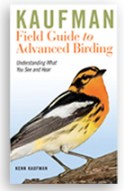
Late that evening, as I settled down with one of his many guide books, Field Guide to Advanced Birding, I was struck by this same theme of simplicity. Kaufman urges folks to slow down and focus not on looking for the birds, but instead to spend time looking at the birds. He stresses getting to know the common birds of an area very well. By doing so, we are well on our way to knowing when a rare bird may enter the scene. This concept brought to mind one of the best places to take a long look at one common bird of Lake County, Illinois: a great blue heron rookery.
Water Connects Lake County
It comes as no surprise that in a place named “Lake County” you are never more than a stone’s throw away from water. Lake County, Illinois is scattered with thousands of acres of wetlands, dotted with over 170 lakes and rivers, crisscrossed with 400 miles of streams, and bordered by massive Lake Michigan. This year at the Lake County Forest Preserves, we are celebrating this wealth of water by exploring how Water Connects Lake County through educational programs and recreational opportunities.
One way water connects the critters of Lake County is through the magic of metamorphosis. Ponds, streams and other wetlands host and hide well-known animals in surprising forms. Take a look at the picture below. This is a type of insect found in most local bodies of water. Can you identify this creature?
“Flying” to a feeder near you?
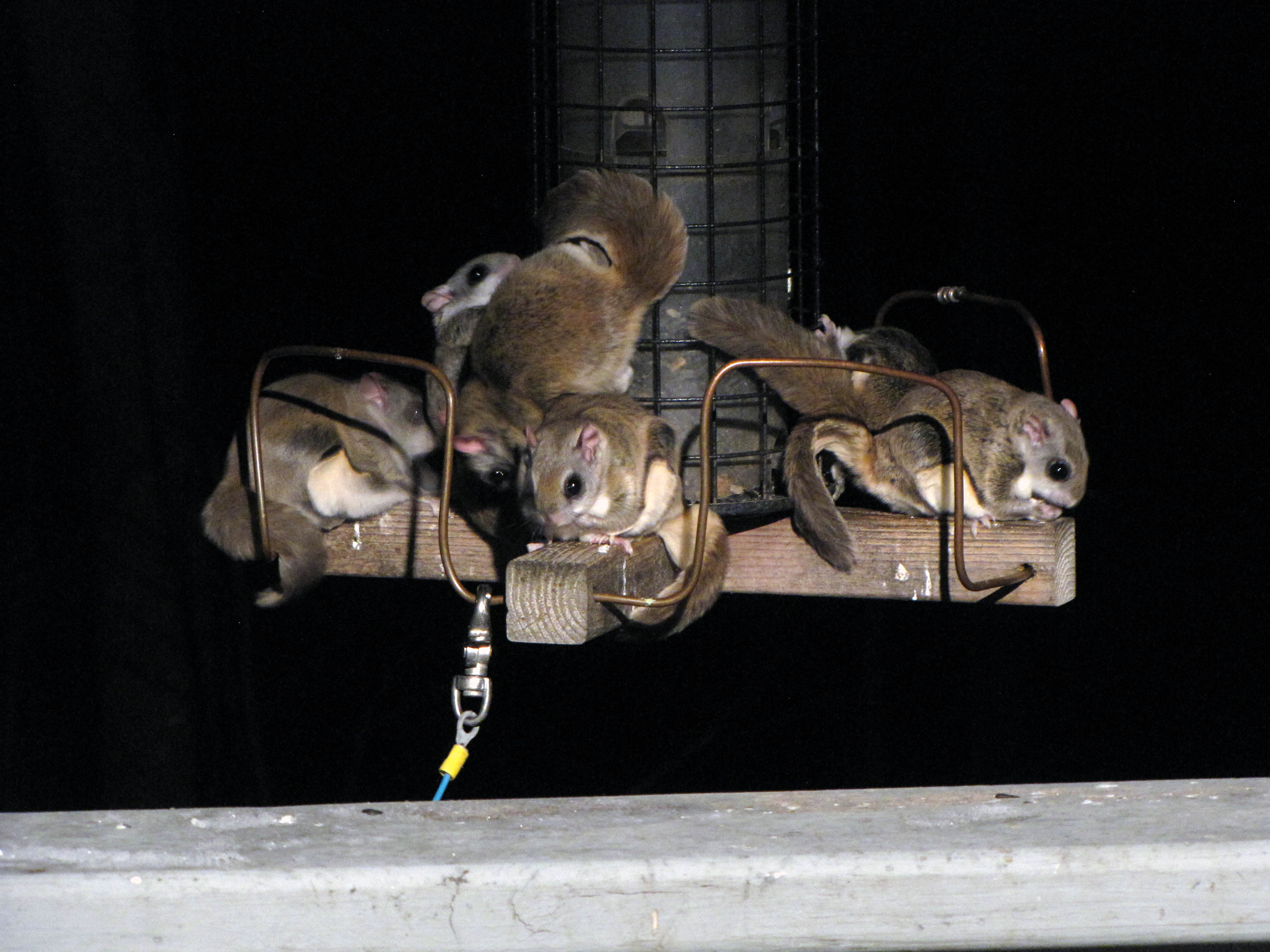
One of our volunteer naturalists recently shared a story of an exciting discovery she made at her bird feeders. She loves to tell anecdotes about the slew of birds that frequent her backyard feeders during the day. However, this time her visitors were not birds, and they appeared in the middle of night. She had seen odd things at night when passing by the windows that looked out towards her yard: a bird feeder swinging wildly with no wind and shadows cast by the moonlight that moved in a herky-jerky scuttle up nearby trees. It wasn’t until one night this winter, with the flick of a light switch, that she caught these mysterious critters in action:
Continue reading
Drought and maple syrup
With the recent snow and cold weather, last summer’s dry heat seems like a distant memory. Yet, it was only this past week that the National Weather Service officially changed its “moderate drought” designation to “abnormally dry” for most of Lake County, Illinois (although, a small northwest portion of the county is still considered to be in a “moderate drought”). While every drop of rain and flake of snow is helping to slowly ease our way out of the past eight months of drought, the damage already done will decide the sweetness of this spring.
Each spring for the past three decades, the naturalists at Ryerson Conservation Area have tapped sugar maple trees to harvest the sap and turn it into pure maple syrup.
The winter world of cottontails
Now that the icy days of January have arrived, everyone in my house has that cooped up feeling and needs to get outside for a view of the expansive winter sky. We need to breathe a bit of fresh air, regardless of how cold it might be. At dusk, my sons and I have been hiking a nearby trail that takes us through scrubby meadows and thickets. During these forays, the boys are often loud and boisterous—until they flush out a cottontail rabbit. They quickly hush. We spend the rest of the hike searching for “our” rabbit (or signs of it) as we crisscross the worn network of trails trodden with tracks.
“Kwirr, churr, cha-cha-cha”
Walking through the woods in late fall, everything seems to be settling in—the colors calming to variations of brown, the dull roar of the wind the only sound. That is, until the staccato “cha-cha-cha” call of a red-bellied woodpecker breaks the lull of the wind, and a tiny black and white tuxedo (complete with a red cap) flashes past me, announcing the bird’s entrance into the woods.
Red-bellied woodpeckers (Melanerpes carolinus) are year-round residents of Lake County, Illinois. The sounds and sights of these birds in the woodlands and at backyard feeders command attention, especially against the bland backdrop of late autumn and early winter. Like its six fellow species of woodpeckers in Illinois, the red-bellied woodpecker excavates holes, commonly called cavities, in trees for nesting and shelter—all the while snacking away on the tiny critters crawling under the bark. Continue reading
The benefits of “creepy” creatures
It’s Halloween! This is the time of the year so-called “scary” animals seem to creep their way into our consciousness. Everywhere—from the grocery store to the car wash, even the dentist’s office—seems inundated with gauzy cotton spider webs, vampire bats with over-sized fangs, and neon rubber snakes. Although these decorations can be fun, they also seem to play into human fears of these often misunderstood and beneficial animals.
Chipmunk song
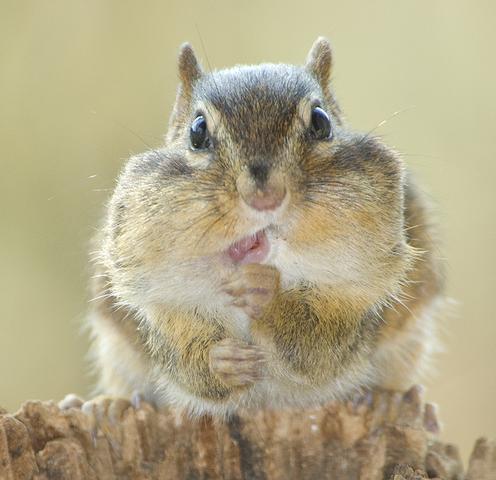
Last week as I was leading a group of adults on a fall color hike, our collective gaze turned quickly from the canopy of coppers and golds to the forest floor as we watched the flurry of chipmunk mischief unfold. We huddled around, marveling at the energy of these charming rodents.
Fast-forward fall
Even though Illinois recently received a break from this summer’s heat and drought, the precipitation deficit that remains statewide has kicked off autumn with atypical natural events. Thus far, the year 2012 has been the fourth driest on Illinois record. However, it has been raining acorns and fall colors have been peeking through the greenery since late August—three weeks earlier than usual. This fast-forward to fall is a tree’s way of protecting itself when water is in short supply. The vibrant color displays of autumn, which seem so lively, are actually a sign that a tree is entering dormancy.
These flashes of fall colors are a result of changes in pigments. The dominant green pigment in leaves is chlorophyll. The leaves in a tree are like little factories, mixing together a recipe of specific ingredients (sunlight, carbon dioxide and water) to make food for the tree’s growth. Chlorophyll acts as the “chef” in this process, called photosynthesis; its presence is necessary in bringing everything together.
Typically, autumn’s cool nights and shortening days trigger photosynthesis to slow down. The scarcity of one key ingredient, water, is triggering this earlier-than-average dormancy. As the work of the leaves comes to an end for the year, chlorophyll breaks down and reveals yellow and orange pigments that have hidden behind its green cloak all summer. Leaves that contain the pigments xanthophyll and carotene—as do hickories, cottonwoods, elms and some maples—will change to vivid shades of yellow and orange as the green fades. Continue reading