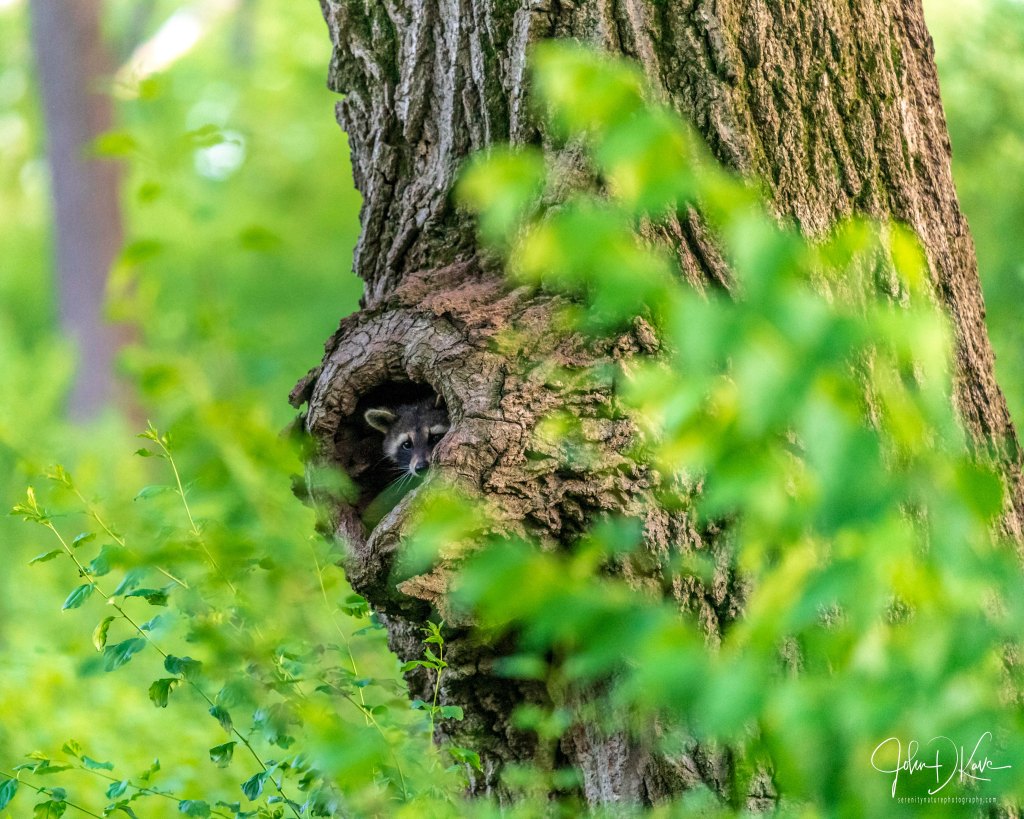
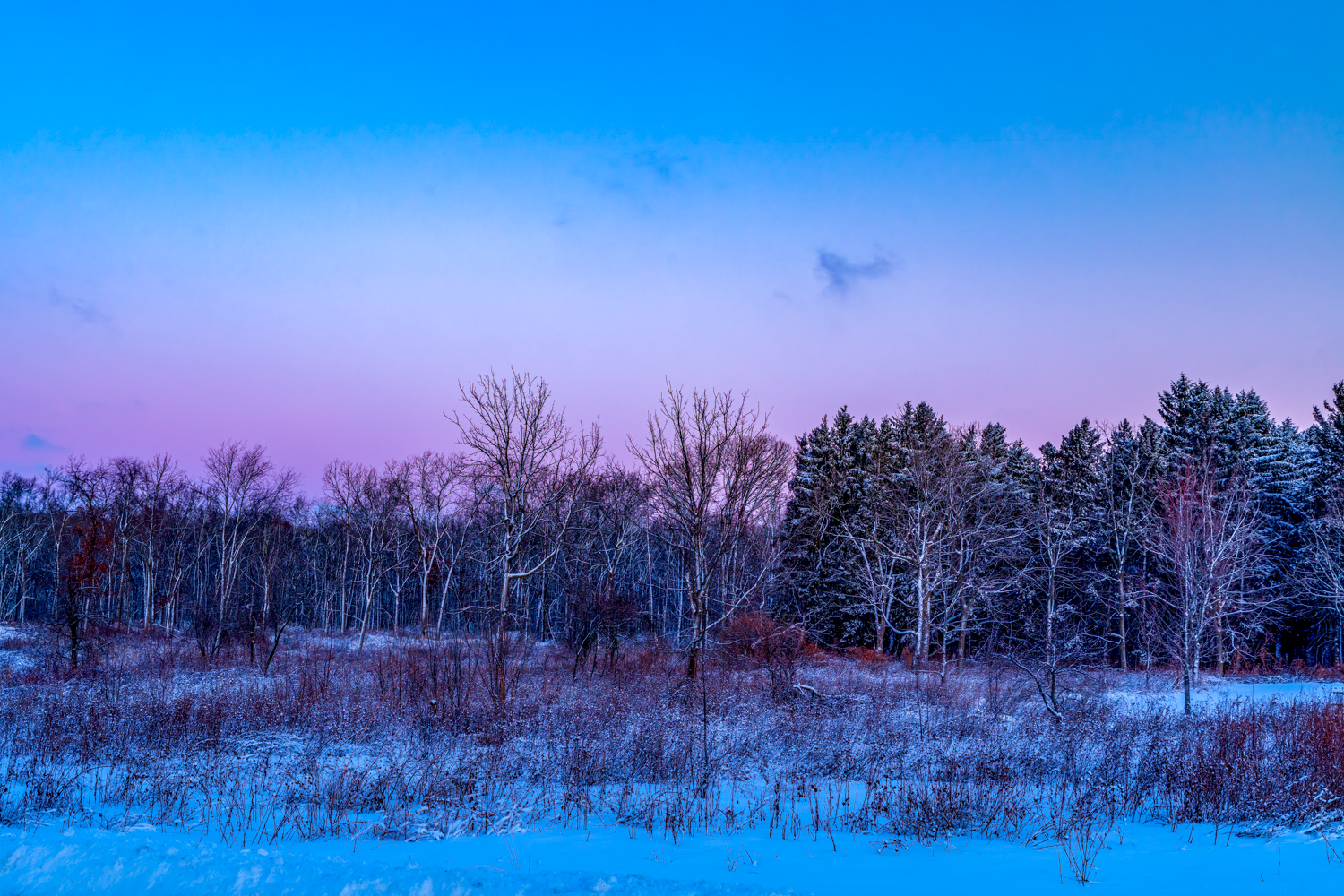
The winter landscape, stripped of its lush layers of leaves and fields of flowers, reveals hidden homes. This season of stillness offers a glimpse into animal lives that were carried on clandestinely throughout spring, summer and fall around the Lake County Forest Preserves in northern Illinois. It’s surprising to see how many critters have been busy raising families right under our noses, or sometimes, right above our heads, without us always noticing.
I found a feather today and it stopped me in my tracks. There it was, tucked into the dewy grass—a single, beautiful feather just lying next to my sidewalk.
It’s not uncommon to come across feathers in my work at the Lake County Forest Preserves in northern Illinois. My naturalist brain immediately started to assess the discovery, analyzing it on a few key points.
There’s solace to be found in the fact that the rhythms of nature march on. This spring, the sun still rises. The wild leek (Allium tricoccum) still pulses its verdant green arms through the pulpy leaf litter of the forest floor. The birds still surge through the skies as they migrate to and through the Lake County Forest Preserves in northern Illinois. Like us, some of these birds are inclined to congregate in large communities. Over the years, the colonies of a particular species, the purple martin (Progne subis), have become largely reliant on people to provide shelter for their nesting flocks.
Late last summer, I literally watched a groundhog (Marmota monax) fatten up before my eyes. He’d made a burrow in the field outside my office window and frequently visited the rain gardens around the Edward L. Ryerson Welcome Center in Riverwoods, part of the Lake County Forest Preserves in northern Illinois. We watched him scamper back and forth, snipping flower tops here and there, always with a mouth crammed full of flora.
Fast forward to early February, and as I look out across the same field, now dotted with small snow drifts punctuated by tufts of grasses gone tawny, I think about that groundhog curled tight in his burrow and deep in hibernation, oblivious to the hubbub of a day in his honor.
Groundhogs (Marmota monax) are active during daytime, particularly early morning and late afternoon. Stock photo.Continue reading →
Post by Brett Peto. All mink images and footage by John D. Kavc.
Yes, it’s almost that time of year. American mink (Neovison vison) mating season. I know, I’ve been waiting for it, too. February is celebrated for human romance: fancy dinner dates, shiny gifts, and long walks on the Des Plaines River Trail. But it’s useful to step out of our human-focused perspective once in a while. And thanks to our comprehensive Wildlife Monitoring Program, we know minks live in the Lake County Forest Preserves in northern Illinois. So, let’s examine why humans aren’t the only species that looks forward to February 14.