April Fools’ bird

Post by Jen Berlinghof

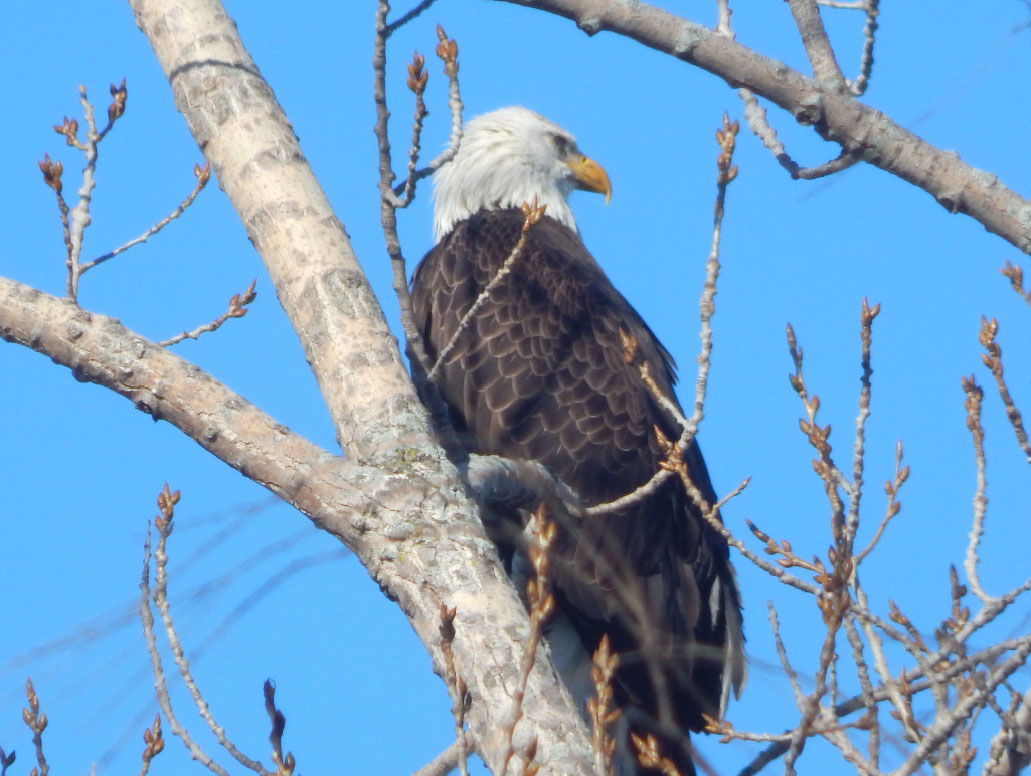
It was a windy, but bright, April 1 this year. I was on a trail at Ryerson Woods with a group of volunteers. Most of our heads were focused downward, inspecting the minutiae of a bloodroot bloom. Then, someone shouted, “EAGLES!” I truly thought the next thing shouted would be “APRIL FOOLS’!” but when we snapped our heads skyward, we saw two ivory-headed eagles swooping back and forth above the trees. No joke!

Continue reading

Slippery spring saga

Post by Jen Berlinghof

It was late March, fourteen years ago, when I took my first hike at Ryerson Woods. The air felt heavy with thawing snow. The sun warmed my back for the first time in many months. Standing at the edge of a small, glistening pool of water in this oak flatwood forest, I saw my first blue-spotted salamander (Ambystoma laterale). About the length of a crayon, this inky black amphibian is adorned with tiny, blue confetti-like spots on a dewy body. Blue-spotted salamanders hide in abandoned mammal burrows or under logs most of their life. Each spring, warming temperatures and increased precipitation lure these creatures out of their covert caverns for a slow and steady march to their breeding ponds.

Continue reading

Stories in the snow

Post by Jen Berlinghof

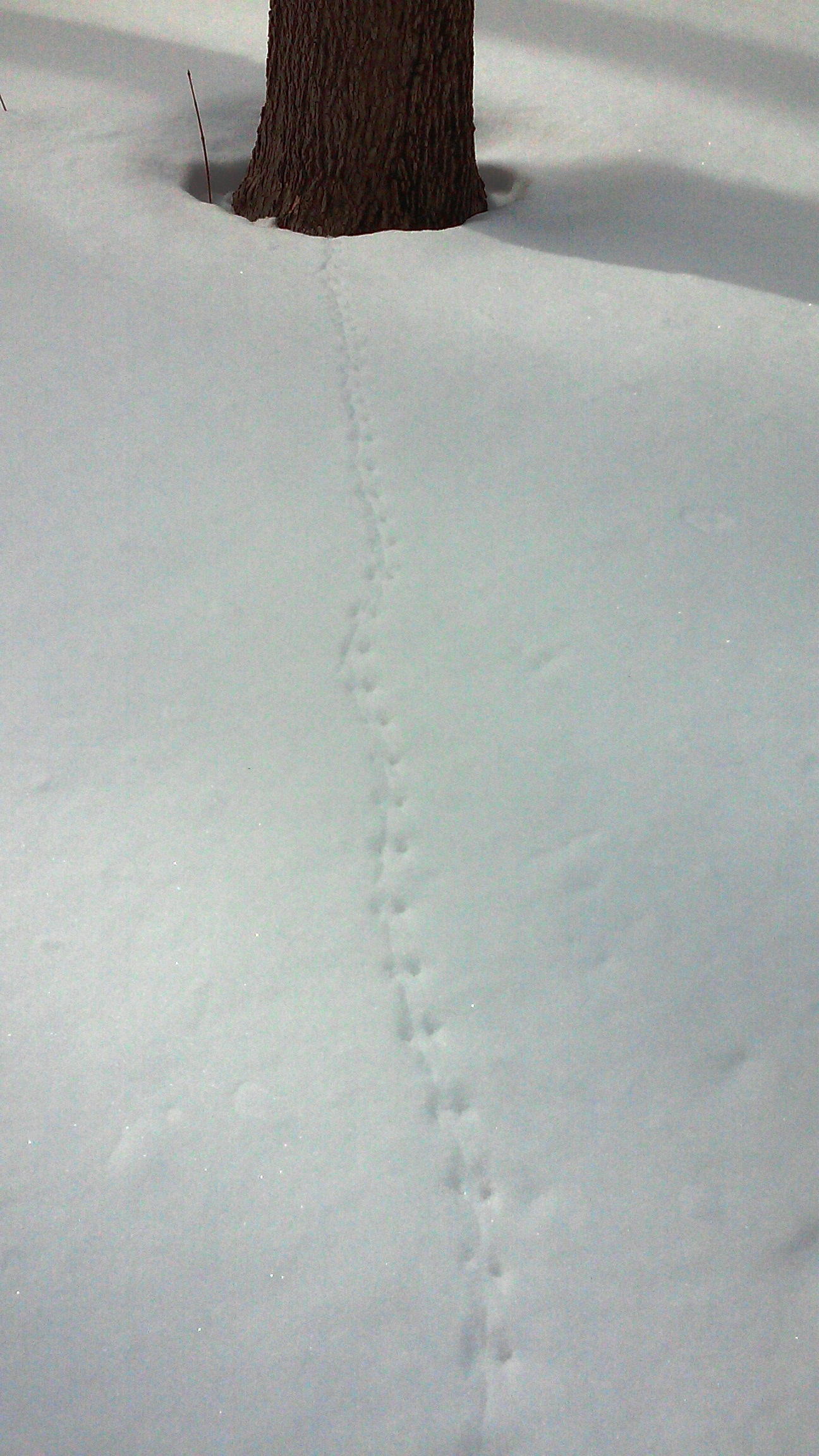
As the thermometer dipped to -8 degrees Fahrenheit this week, one thing was clear: the snow and cold are entrenched for a while longer. So are the stories of the animals, as told by the tracks etched in the frozen landscapes that sweep across the Lake County Forest Preserves. We may not see the animals themselves. However, each track, pile of scat, bit of hair clinging to a branch, hole in the snow and chewed acorn is an element of the tale from their winter excursions.

How do we decipher these stories? When trying to identify which animal made a particular track, it is important to look not only at the individual track but the overall pattern. Also, scan the surrounding habitat for clues.

Let’s see if you can figure out what happened in each of these nature vignettes:

mouse tracks

Continue reading

Saving a globally threatened ecosystem

Post by Allison Frederick
P1000937

The Chicago Wilderness alliance recently honored the Lake County Forest Preserves in Illinois for achieving the Excellence in Ecological Restoration accreditation.

From vast woodlands to rolling prairies, the Chicago Wilderness Excellence in Ecological Restoration program showcases conservation leadership and site-based restoration by recognizing high-quality natural areas and the organizations that manage them.

MISA-20110907-PhilHauck

Natural areas are assessed by a set of rigorous, science-based standards that recognize best practices in natural resource management. Conservation experts from across the region review the assessments to determine if a site meets one of the accreditation levels: Platinum, Gold, Silver or Bronze.

The Lake County Forest Preserves recently received a Platinum accreditation, the highest level possible, for Middlefork Savanna Forest Preserve. This accreditation recognizes the expertise, creativity and drive of our natural resource staff in forming and leading a coalition of federal, state and regional partners to restore this site.

Continue reading

2014 in review

It’s been a great year. Thanks to all for reading! The WordPress.com stats helper monkeys prepared our 2014 annual report. See link below for details.

Here’s an excerpt:

A New York City subway train holds 1,200 people. This blog was viewed about 8,000 times in 2014. If it were a NYC subway train, it would take about 7 trips to carry that many people.

Click here to see the complete report.

Favorite photos from 2014

Post by Allison Frederick

The end of another year is drawing near. To celebrate the biological diversity protected within the Lake County Forest Preserves in northeastern Illinois, I’ve put together a collection of some favorite images from 2014. We have such an amazing support system of photographers who donate their time and images to communicate our cause. Their passion for wildlife and the outdoor spaces our organization preserves is evident in each image they share. I hope you enjoy them half as much as I enjoyed choosing this set! Each photograph was taken right here in Lake County, Illinois.

This slideshow requires JavaScript.

The slideshow will run on its own, but you can speed it up by clicking on the arrows. To see more amazing images from the forest preserves, or to share photos of your own adventures, join our group Flickr pool.

Thanks for following our blog. Knowing there are others who enjoy the beauty and complexity of our native landscapes is very satisfying. Have a great holiday season!
The real Thanksgiving turkey

Post by Jen Berlinghof

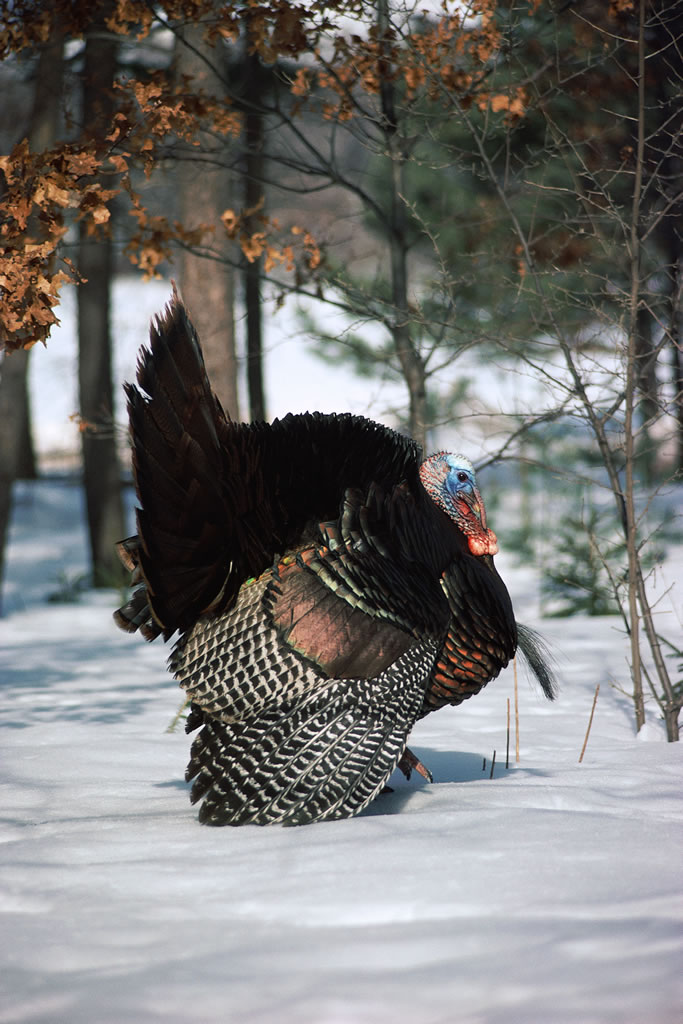
There is a lot of turkey talk in my house lately—from handprint turkey crafts to gobbling impersonations and heated discussions of who gets the wishbone this year. Come November, most of us think of turkeys as the centerpiece of a delicious feast. You might be surprised to learn that this symbol of our American heritage is not only found on platters but also resides in Lake County, Illinois woodlands; and their gobbling is growing!

eastern wild turkey

Continue reading

Poison ivy primer

Post by Jen Berlinghof

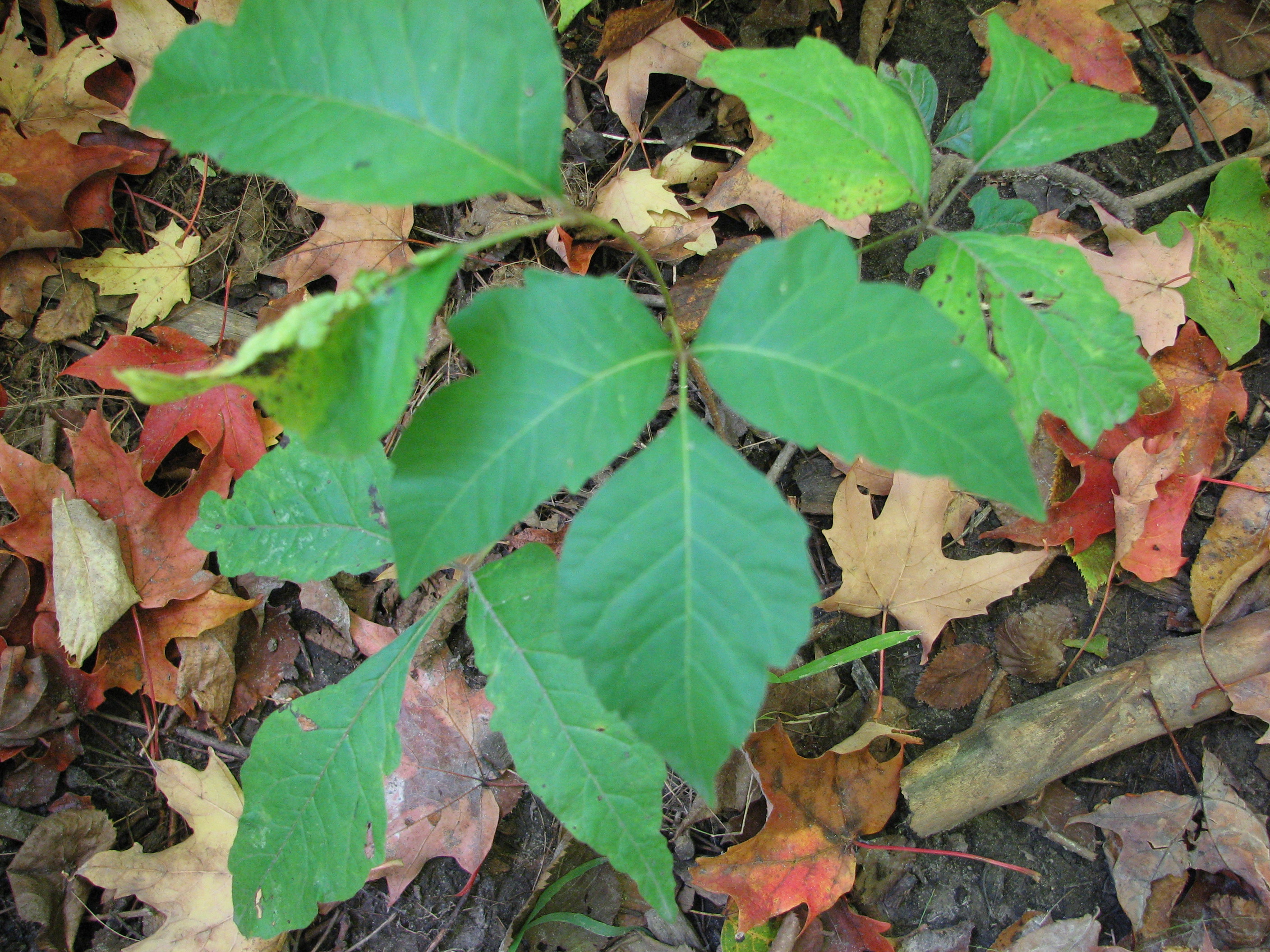
With Halloween fast approaching, much attention is given to animals that are considered “scary.” Foreboding ravens, ominous bats, super-sized spiders and snakes are everywhere. Thankfully, many people know the benefits of these critters. However, it seems there is one thing found in nature, surprisingly flora not fauna, that remains misunderstood and maligned: poison ivy (Toxicodendron radicans). The chemical urushiol in the sap of poison ivy can cause an allergic reaction in many people that results in an itchy rash. However, wildlife is not sensitive to the plant in the same way. In fact, poison ivy is an important native plant in Illinois with a host of benefits for our natural areas—from food and shelter for birds, mammals, and insects to erosion control on shorelines.

IMG_4835

Continue reading

Acorn abodes

Post by Jen B

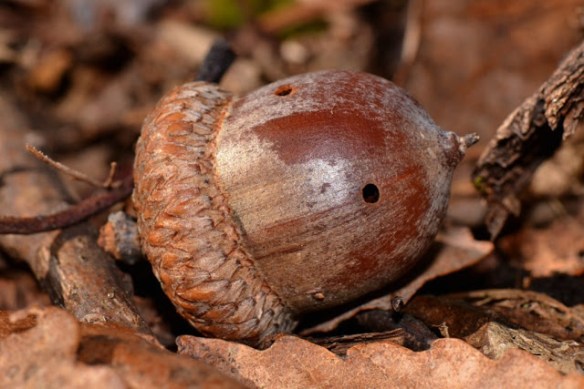
My family went on a bike ride last weekend at Ray Lake Forest Preserve. All afternoon, rain sputtered on and off as the clouds played tag with the sun. After climbing up a steep hill, the sky darkened again and we sought refuge under a canopy of large oak trees. One of my sons yelped,”Ouch! That raindrop hurt!” We quickly realized it wasn’t a raindrop, but a storm of acorns jiggled loose by the wind, plopping down on us. The trail became littered with acorns, and the kids began grabbing them. Upon inspection, the boys noticed tiny round holes in many of the acorns—evidence that these nuts were homes to acorn weevils (Curculio spp).

Continue reading

Final songs of summer

Post by Jen B

As summer winds down, a telltale hum that signals the changing seasons begins to ramp up in the fields and forests. These trills and chirps are the mating calls of tree crickets (Oecanthinae)—a group of fascinating insects that are often heard but seldom known or seen. Their small size and mint green color helps camouflage them amidst the verdant grasses, shrubs and trees of late summer.

OLYMPUS DIGITAL CAMERA

Continue reading