Night shift: Lake County’s nocturnal neighbors

Post by Brett Peto

This article appears in the fall 2025 issue of Horizons, the award-winning quarterly magazine of the Lake County Forest Preserves in northern Illinois.
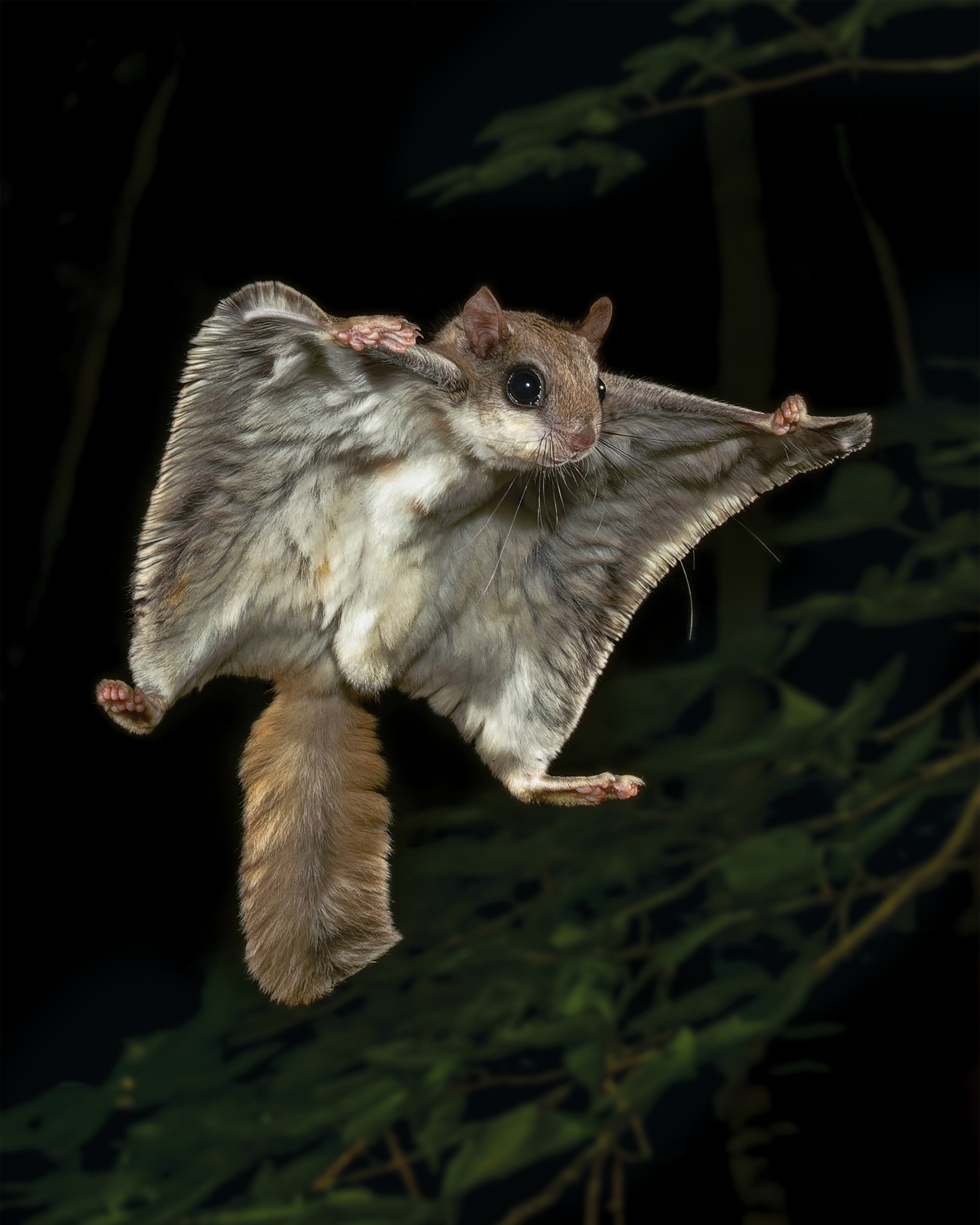

A southern flying squirrel (Glaucomys volans) glides gracefully across the nighttime sky. Weighing only 1–3 ounces, this small, nocturnal mammal uses loose skin like a wing-suit to stay aloft. The species is native to North America—including Lake County—and Central America.

When you settle into bed for the evening, another world awakens. Flying squirrels launch between trees, bats emerge from roosts and owls begin their silent hunts.

Your forest preserves provide the food, water, shelter and darkness these animals need during their night shifts. Despite their abundance and proximity, our nocturnal neighbors can seem mysterious. The dark obscures their unique activities.

Let’s peek behind the curtain.

Continue reading

17 years, 64 degrees, 100 decibels

Post by Brett Peto

The alarm clock is ready to ring for the periodical cicadas of Lake County. The previous mass emergence of these impressive bugs in 2007 set the alarm for 2024. During spring and summer 17 years ago, millions of cicadas tunneled out of the soil, crawled up trees, sang, mated and completed their life cycle. This will be a magical year for their offspring.

A True Bug

Adult periodical cicadas have dark bodies, red eyes and orange-veined wings. Illustration ©️ Samantha Gallagher.
Continue reading

Planting for pollinators

Guest post by Eileen Davis

It’s a sunny July afternoon at a Lake County Forest Preserve in northern Illinois. The humidity is low and the breeze is just right. I’m poised over a patch of wild bergamot (Monarda fistulosa), furiously clicking away with my camera, hoping to get at least one image that will be clear enough for me to identify the native bumble bee feeding on the flower. If there’s a better way to spend a Saturday afternoon, I haven’t found it.

A two-spotted bumble bee (Bombus bimaculatus) feeds on wild bergamot. Photo © Eileen Davis.
Continue reading

Winter reveals hidden homes

Post by Jen Berlinghof

The winter landscape, stripped of its lush layers of leaves and fields of flowers, reveals hidden homes. This season of stillness offers a glimpse into animal lives that were carried on clandestinely throughout spring, summer and fall around the Lake County Forest Preserves in northern Illinois. It’s surprising to see how many critters have been busy raising families right under our noses, or sometimes, right above our heads, without us always noticing.

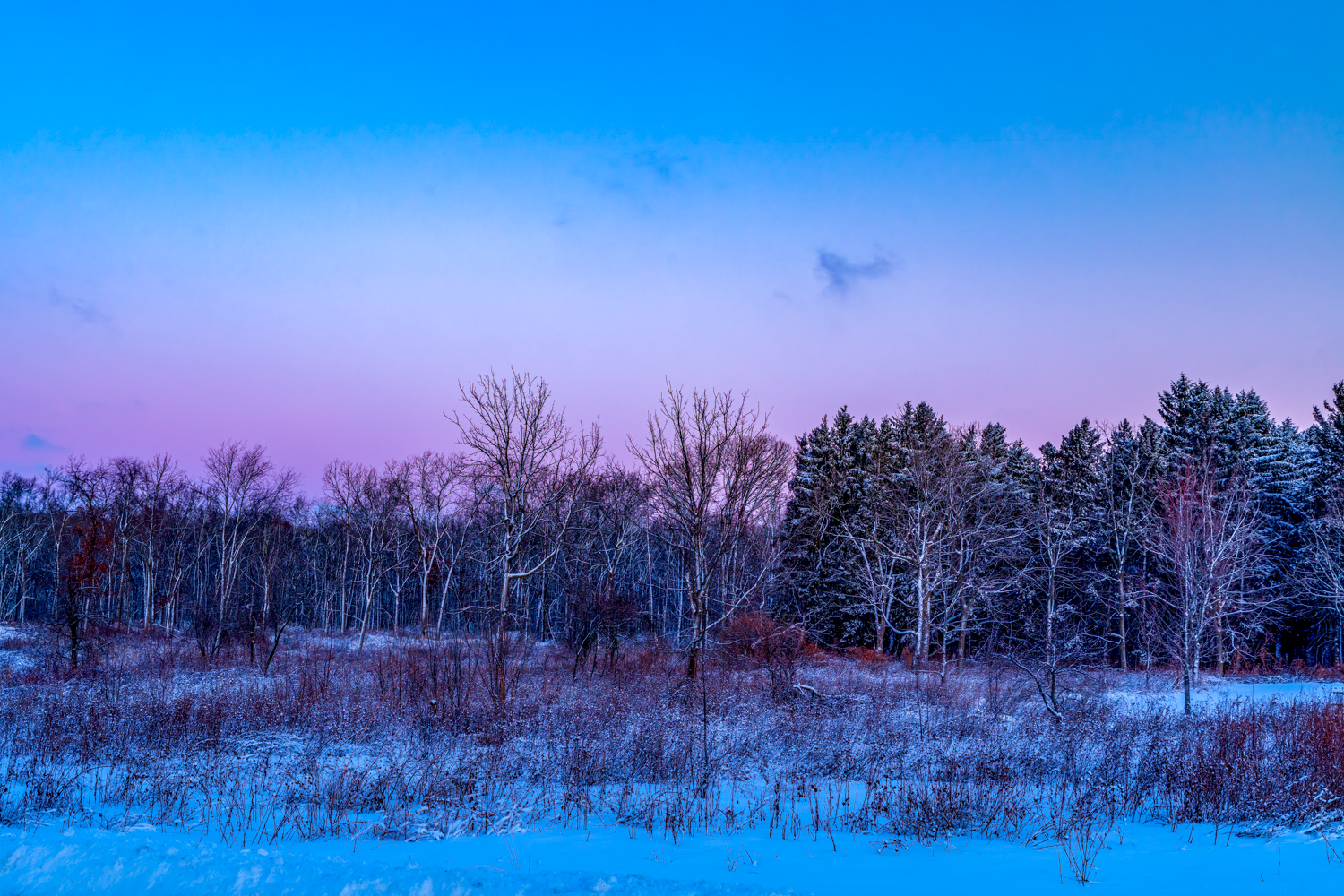
A soothing winter scene at Lyons Woods in Waukegan. Photo © John D. Kavc.
Continue reading

How animals survive the winter

Guest post by April Vaos

Living in Illinois, we’re lucky enough to enjoy a change of seasons. Though I often find it difficult to switch from the crunch of fall leaves to the crunch of snow, it can be a peaceful time to head outdoors. Recently, I went walking in Independence Grove in Libertyville, part of the Lake County Forest Preserves in northern Illinois. As I looked around in the quiet, contemplative landscape, I thought about the life that teemed all around me, and how it was now hidden from view or departed on a migration.

While leading winter walks, I’m often asked, “Where are all the animals?” It depends on the animal. Each employs different survival strategies that help it adapt and even thrive in winter. What, exactly, do animals do to make it through the challenges of cold temperatures and a lack of food? Well, I like to say they have MAD strategies: migrate, active and dormant.

When cool temperatures arrive in northern Illinois, so do dark-eyed juncos (Junco hyemalis). Not only do they visit Illinois, they migrate into all of the lower 48 states to spend a milder winter than where they’re from: Canada. Stock photo.
Continue reading

Bringing back the buzz

Post by Jen Berlinghof

All summer long, swaths of wild bergamot (Monarda fistulosa) quake in the presence of thousands of native bumble bee wings beating away. These pollination dynamos use a technique called buzz pollination, vibrating their bodies to trigger nearby flowers to release pollen. At the Lake County Forest Preserves in northern Illinois, a similar buzz of excitement arrived in summer 2020 when staff spotted the federally endangered rusty patched bumble bee (Bombus affinis) at Greenbelt in North Chicago.

Fast forward to summer 2021. The hum continues to reverberate after multiple sightings of this keystone species were documented across the county from Flint Creek to Wadsworth Savanna in Wadsworth. While summer’s the height of hive activity, the shoulder seasons—usually defined as May, June, September and October—might be key to the success of the rusty patched bumble bee. This is partly due to the timing, or phenology, of the species’ lifecycle. It’s one of the first bees to emerge in spring and the last to enter hibernation in fall.

A worker, or male, rusty patched bumble bee (Bombus affinis) sits atop mountain mint. Photo © Dan Mullen.
A rusty patched bumble bee (Bombus affinis) sits atop mountain mint. Photo © Dan Mullen.
Continue reading

A thousand-mile journey on two-inch wings

Post by Jen Berlinghof

I’ve spent many days this summer living the “lake life,” from the sandy dunes of the Great Lakes to the cattail-studded coves of inland waters. The waterways found within the Lake County Forest Preserves in northern Illinois have been especially rewarding. Each shoreline has provided unique glimpses of wildlife, including an osprey (Pandion haliaetus) diving full throttle to catch a fish at dawn, and a red fox (Vulpes vulpes) pouncing on prey hidden among the beach grass at dusk.

Also present at every waterway this summer has been the jewel-hued, common green darner dragonfly (Anax junius). These ubiquitous insects effortlessly nab multitudes of mosquitoes on the wing. While the monarch butterfly (Danaus plexippus) reigns in our minds when it comes to insect migrations, recent research reveals the green darner takes a multi-generational, miles-long journey of its own each year.

Common green darner dragonflies (Anax junius) are found in the forest preserves. Stock photo.
Continue reading

A native garden to call your own

Guest post by Eileen Davis

What is your earliest gardening memory? Was it planting a seed in a paper cup at school, and watching it sprout and grow on the classroom windowsill? Perhaps you gathered dandelion flowers and presented your mom with a beautiful, yellow bouquet. Or did you rake up a giant pile of leaves to jump in on a crisp fall day? You might even have visited the native garden at Independence Grove in Libertyville, part of the Lake County Forest Preserves in northern Illinois.

My earliest gardening memory is helping my aunt and uncle in their garden. I was only about four or five years old, but I clearly remember the prickly feeling of the cucumber vines scratching my forearm as I helped pull weeds. No matter the memory, we are all doing the same thing—tending to our little piece of the Earth. It’s something humans have done for thousands and thousands of years. We are and always have been dependent on our environment for survival.

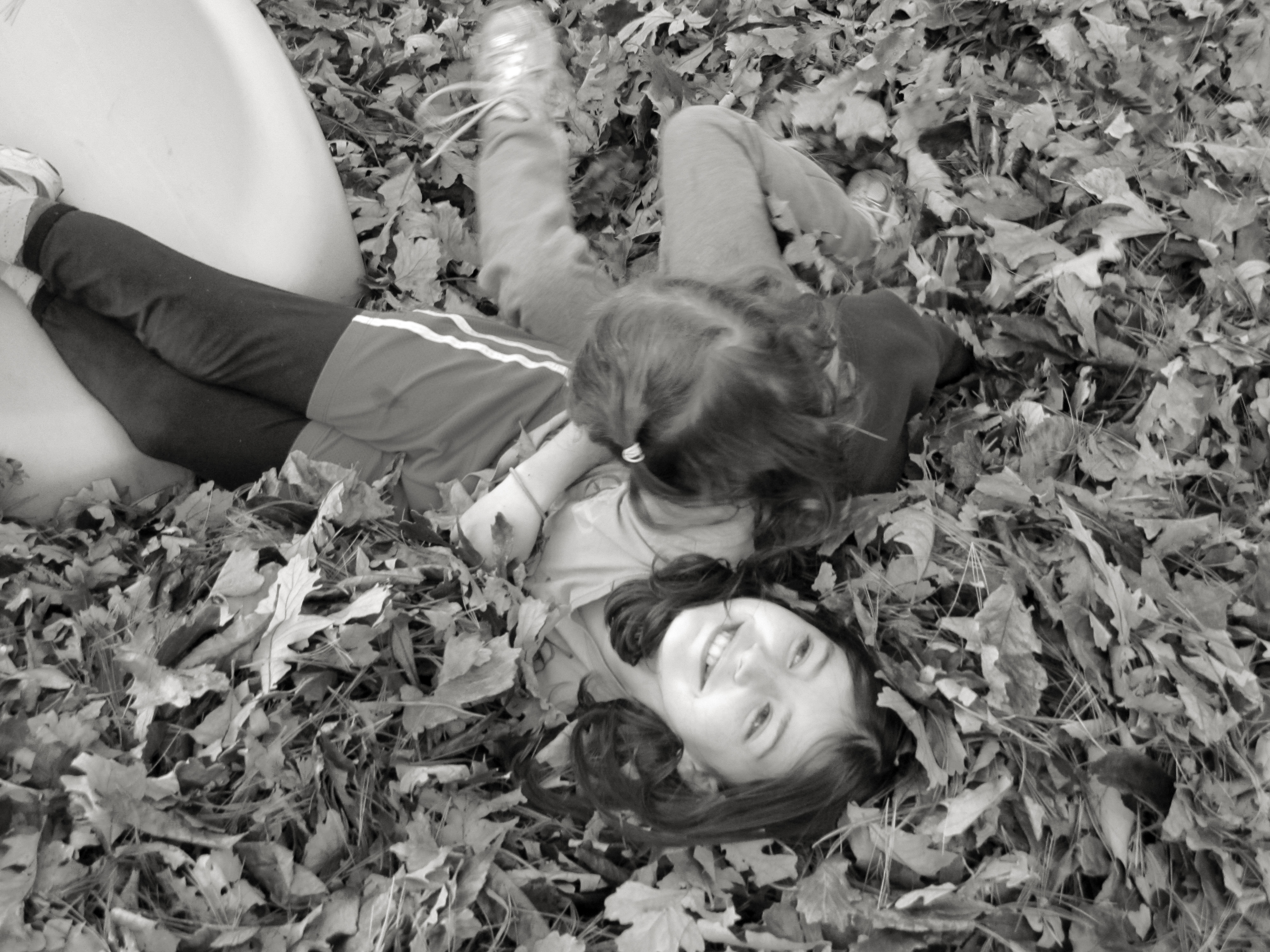
The author's daughters playing in a backyard leaf pile. Photo © Eileen Davis.
The author’s daughters playing in a backyard leaf pile. Photo © Eileen Davis.
Continue reading

Milkweed. It’s not just for the monarchs.

Post by Jen Berlinghof

Being home more these past months has allowed my family copious time to observe the common milkweed (Asclepias syriaca) in our garden go through its life cycle day by day. We’ve witnessed the transformation from wily little sprouts in early summer to blooming beasts, with pompoms of eraser-pink flowers wafting perfume across the yard—even threatening to take over the footpath—by Fourth of July. Now in the sweet days of September, our milkweed is laden with swelling seed pods, ready to burst with floating seeds like so many little white parachutes scattered in the autumnal sky. The situation is similar in many of the Lake County Forest Preserves in northern Illinois.

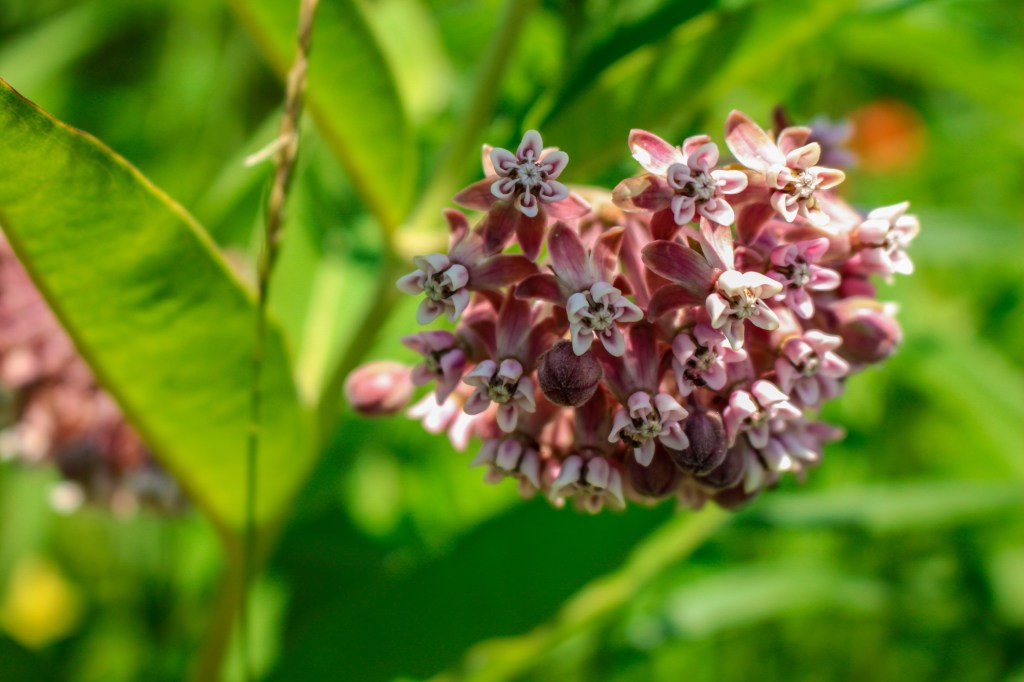
The beautiful flowerhead of common milkweed (Asclepias syriaca). Photo © Lake County Forest Preserves.
Continue reading

The moth and the moon

Post by Jen Berlinghof

A full moon rises, a screen door slams shut, a katydid’s creaking calls echo, and a Luna moth (Actias luna) flutters in circles around the back porch light. We’re captivated by this green ghost of summer, concealed by broad leaves and seen rarely during the day, emerging at night only to mate for its few fleeting days of adulthood. How lucky it is that Luna moths live in the Lake County Forest Preserves in northern Illinois.

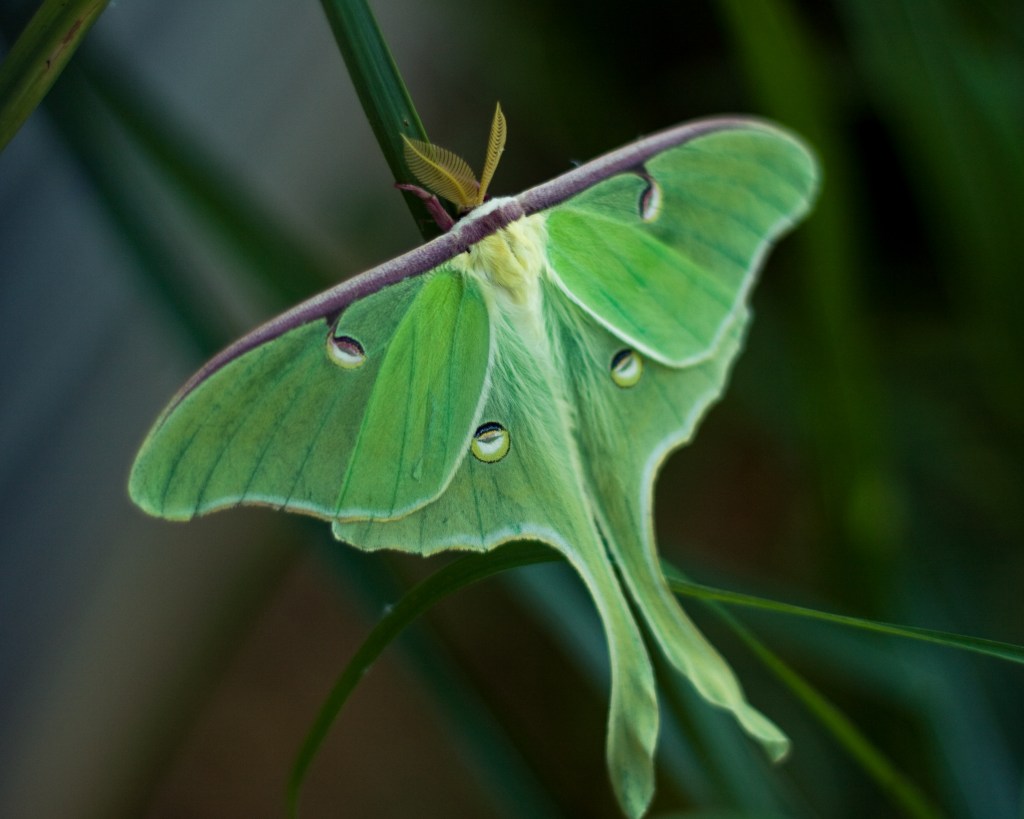
The bright green wings of the Luna moth (Actias luna) are instantly recognizable. Stock photo.
Continue reading