Charged up for change: our transition to net-zero energy

Post by Brett Peto

This article appears in the fall 2024 issue of Horizons, the award-winning quarterly magazine of the Lake County Forest Preserves in northern Illinois.


A profile view of the building looking west. Photo © Lake | Flato Architects.

The building looks as if it’s always been there.

As though the floodplain forests of Ryerson Conservation Area in Riverwoods summoned
the smoky green walls, floor-to-ceiling windows and sleek roof.

But the new Ryerson Education Center (REC), opened spring 2024, is the culmination of three years of planning and an ambitious goal. Create a net-zero energy building that produces as much power as it consumes each year.

“We want to raise the bar and set the example for green buildings and environmental sustainability,” said Alex Ty Kovach, executive director of the Forest Preserves. “Our goal is that this new building will become a viable model of long-lasting, energy-efficient design.”

Continue reading
Acorn abodes

Post by Jen B

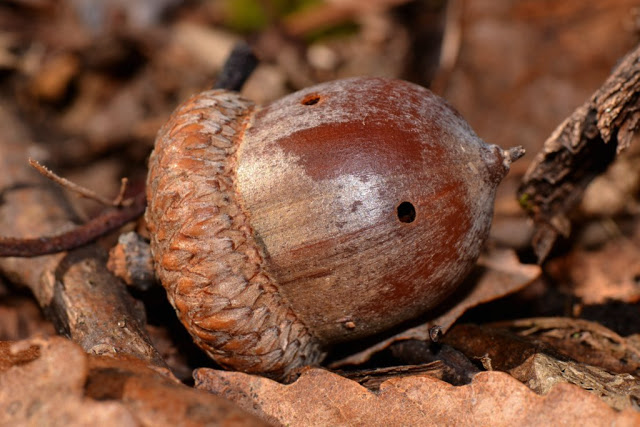
My family went on a bike ride last weekend at Ray Lake Forest Preserve. All afternoon, rain sputtered on and off as the clouds played tag with the sun. After climbing up a steep hill, the sky darkened again and we sought refuge under a canopy of large oak trees. One of my sons yelped,”Ouch! That raindrop hurt!” We quickly realized it wasn’t a raindrop, but a storm of acorns jiggled loose by the wind, plopping down on us. The trail became littered with acorns, and the kids began grabbing them. Upon inspection, the boys noticed tiny round holes in many of the acorns—evidence that these nuts were homes to acorn weevils (Curculio spp).

Continue reading

Warbler fever

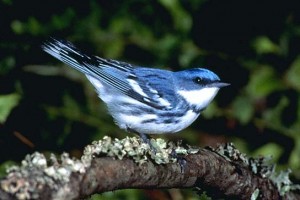
Birding fever hit a high this past weekend in natural areas throughout northern Illinois. Birders flocked in throngs with binoculars strung on their necks like potential Olympic medals and a hope of spotting some of the most coveted migratory birds— wood-warblers. Members of the family Parulidae, wood-warblers are the colorful jewels of migration from the sapphire blue of a cerulean warbler (Setophaga cerulea) to the amber orange of a Blackburnian warbler (Setophaga fusca). Yet, as these birds flit about in the treetops, no color is as visually striking as the lemony-yellow citrine that adorns so many warblers as they pass through our area on a flyway. Once these impish birds reach their destinations (as far as northern Canada for some species) and breed, they will molt their flamboyant plumage and become far less conspicuous, which is why seeing them in the spring is considered such a prize for birders.  Continue reading

Army of frogs

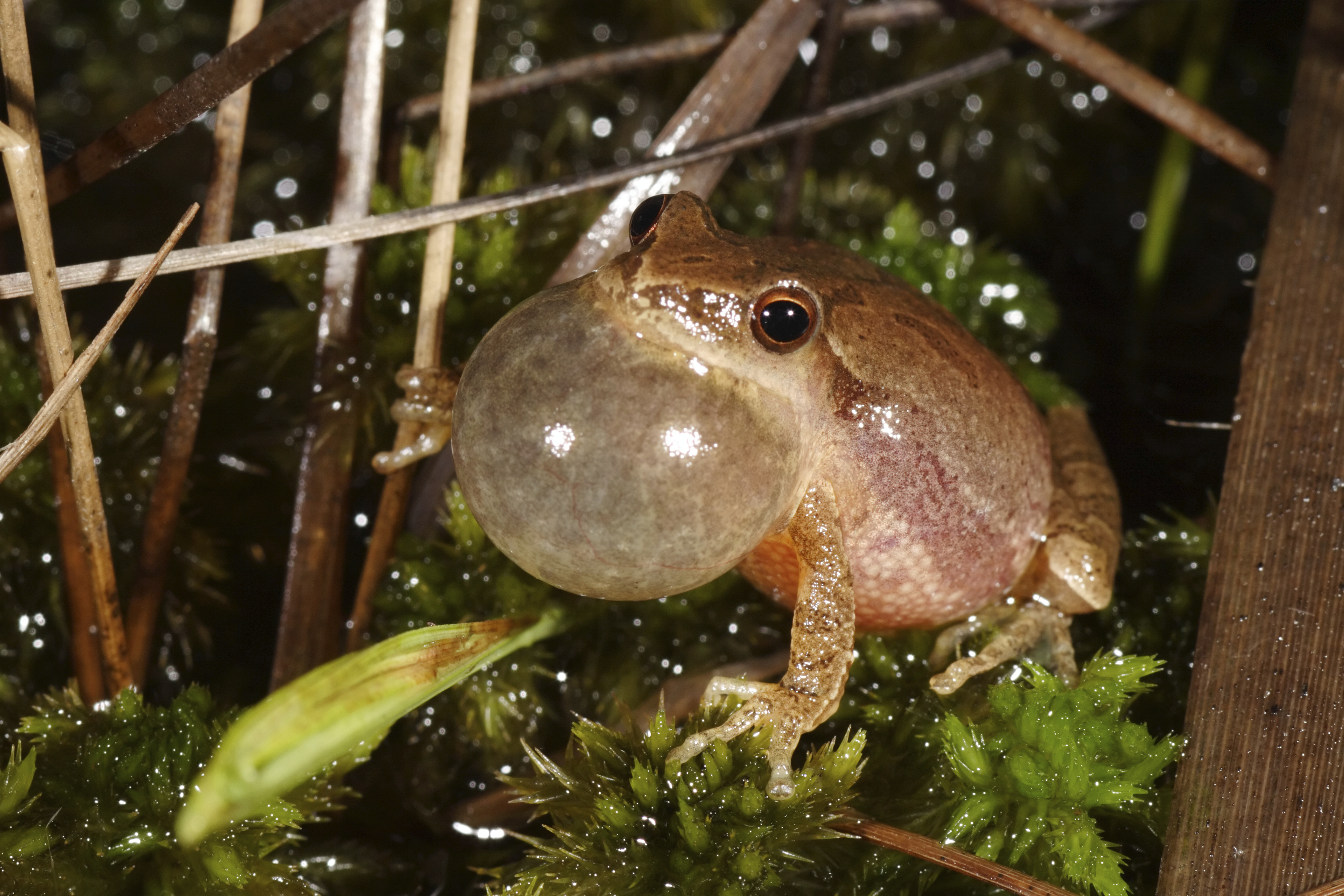
My young sons and I recently read a library book together about the names of animal groups. I was struck by how many of the group names match the animals’ behavior or movement: a parliament of owls, a flutter of butterflies, a walk of snails. The boys and I agreed our favorite group name was an army of frogs. Continue reading

Spring stinks

Don’t get me wrong, I love spring, but the first signs of green to shoot out of the leaf litter stink! While this spring seems to be on fast-forward, with many woodland wildflowers appearing almost to six weeks early, the first plants to sprout in Lake County were still the stinky duo of skunk cabbage (Symplocarpus foetidus), and Chicago‘s supposed namesake, wild leek (Allium tricoccum). The Native American tribes of this region called the plant in question “shikaakwa” or “chicagoua”.

Continue reading

Sticky sign of spring

Image

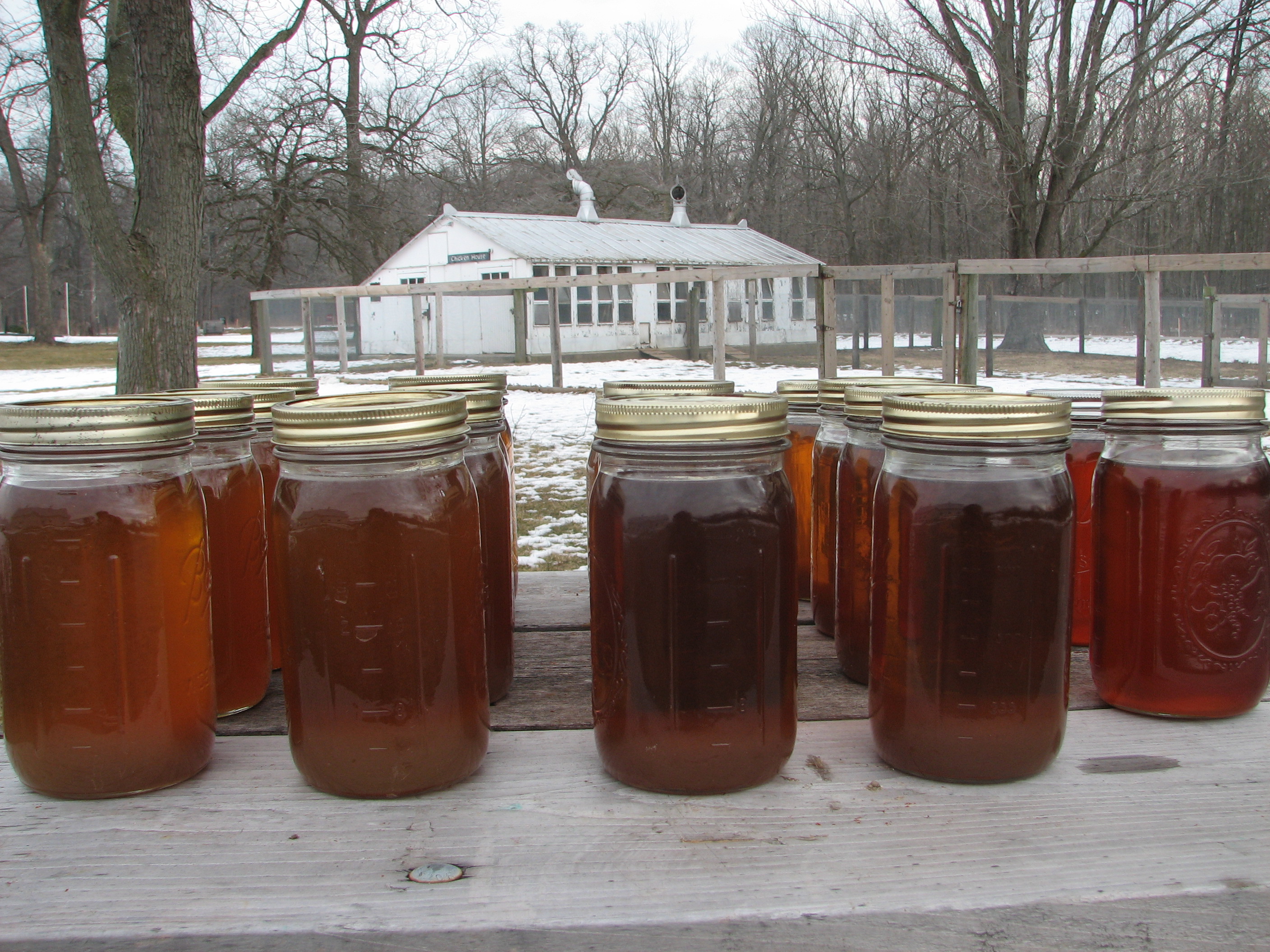
When the first days of March roll around in northern Illinois, many of us search desperately for the first signs of spring. For some, it may be the green “sprouttles” of spring beauties thrusting themselves out of the leaf-matted soil. For others, it might be hearing the two-toned territorial call of a chickadee or the pungent smell of skunk cabbage. For many, it may just be the feel of mud squashing under their boots on the hike to find any and all signs of early spring.

For me, the first sign of spring is not something you can see, hear, smell or feel. It is what is happening in silent mystery beneath the bark of the sugar maple trees—the first run of sap. This typically occurs in Lake County around Valentine’s Day, far before anyone is thinking about spring.

Continue reading