Step into serenity with forest bathing

Guest post by Kim Mikus

This article appears in the summer 2025 issue of Horizons, the award-winning quarterly magazine of the Lake County Forest Preserves in northern Illinois.
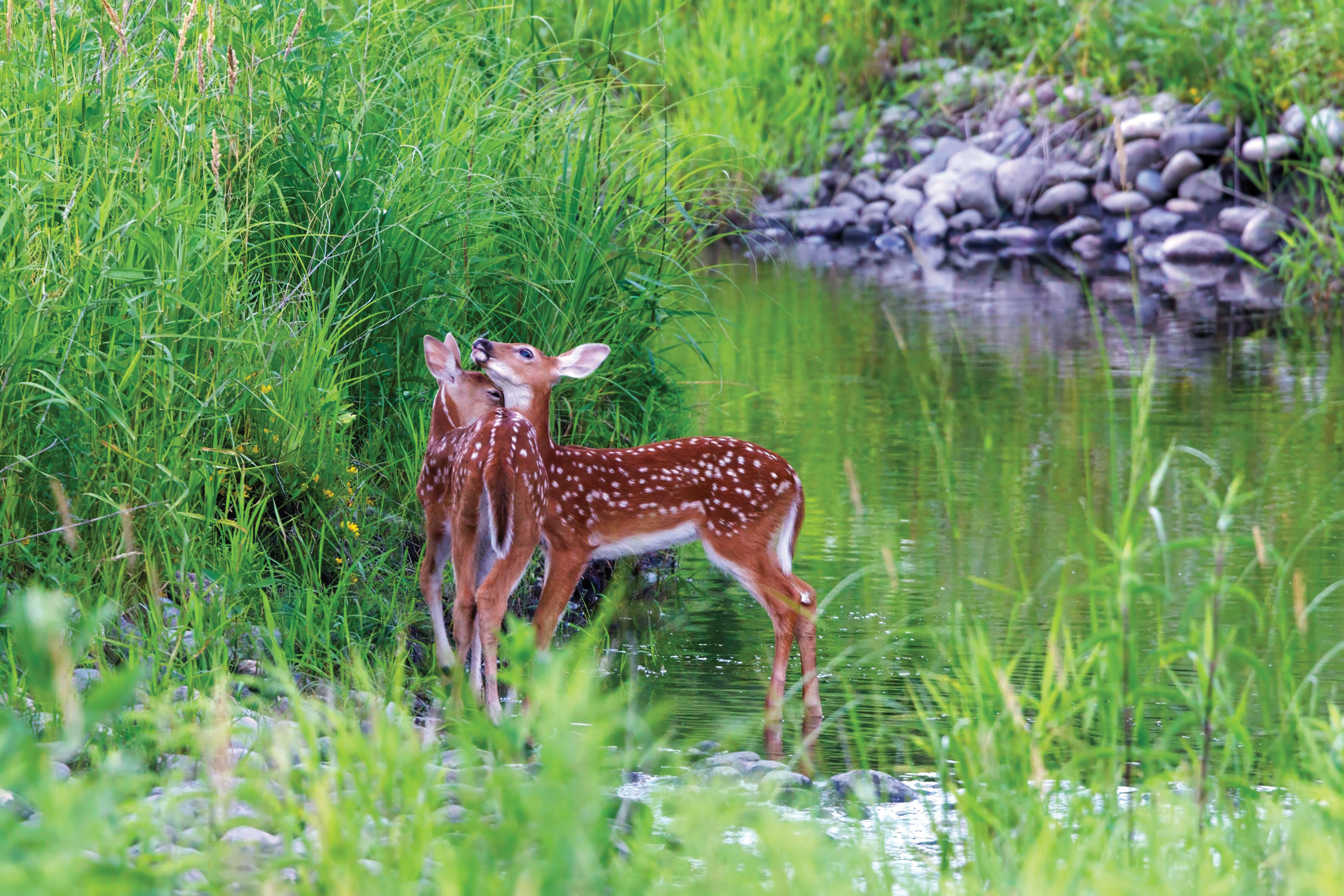

Photographer Dahai Zang snapped a fairytale scene at Buffalo Creek in Long Grove. These two white-tailed deer (Odocoileus virginianus) fawns sport hundreds of white spots on their rusty-brown coats. The markings help them blend into sun-dappled forests and meadows.

Imagine stepping into the woods, leaving behind the noise and stress of daily life. As you pause and breathe, a sense of calm takes over. There’s no rush or destination, only the soothing quiet of the woodland. Welcome to forest bathing, a practice that invites you to reconnect with yourself and nature.

Forest bathing, also called shinrin-yoku or forest therapy, involves immersing yourself in the outdoors—not through exercise or hiking, but by simply being present in the natural world. Its roots stretch back to a 1980s-era effort launched by Japan’s Ministry of Agriculture to help the country’s population reduce stress and improve health.

Forest bathing doesn't require equipment. Just a picnic blanket will do.
Forest bathing doesn’t require equipment. Just a picnic blanket will do.
Continue reading

What’s wrong with this picture?

Editor’s note: hey readers, Brett Peto here. This month, guest author Pati Vitt, Manager of Restoration Ecology at the Lake County Forest Preserves in northern Illinois, returns with the third part of her series about our research project to restore 180 acres of former farmland within Grant Woods Forest Preserve in Ingleside using a climate-adapted, regionally sourced native seed mix.

This past winter, we planted 800 pounds of native grass seed from southern Illinois and Kentucky in the project area. The goal was (and still is) to help us understand whether we should source native seeds from further south to make our future restoration projects more resilient to climate change.

Unfortunately, as you can probably tell from the photo below, even the best-laid plans can go awry. And so they did, when an unseasonable early drought struck. Pati will pick it up from here.

The author's boot atop a drought-parched patch of soil at Grant Woods in Ingleside. Photo © Lake County Forest Preserves.
The author’s boot atop a drought-parched patch of soil at Grant Woods in Ingleside. Photo © Lake County Forest Preserves.
Continue reading

On the path to recovery

Editor’s note: hello readers, Brett Peto here. Guest author Pati Vitt, Manager of Restoration Ecology at the Lake County Forest Preserves in northern Illinois, is back with the second of her three-part series about our research project to restore 180 acres of former farmland within Grant Woods Forest Preserve using a climate-adapted, regionally sourced native seed mix.

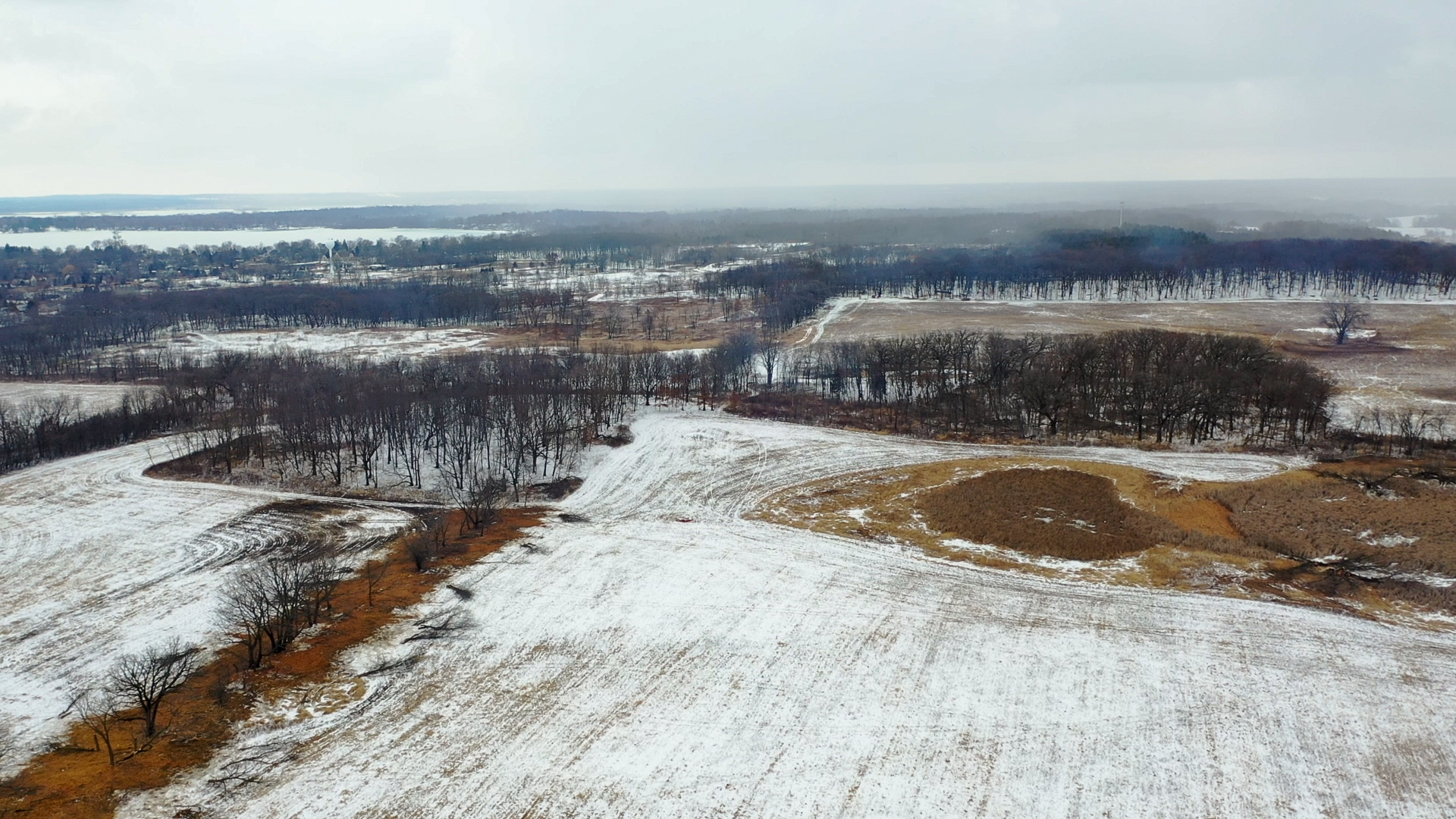
An aerial view of the 180-acre research project area at Grant Woods in Ingleside. Photo © Mike Borkowski.
Continue reading