Unraveling the science of habitat restoration

Guest post by Kim Mikus

This article appears in the summer 2024 issue of Horizons, the award-winning quarterly magazine of the Lake County Forest Preserves in northern Illinois.


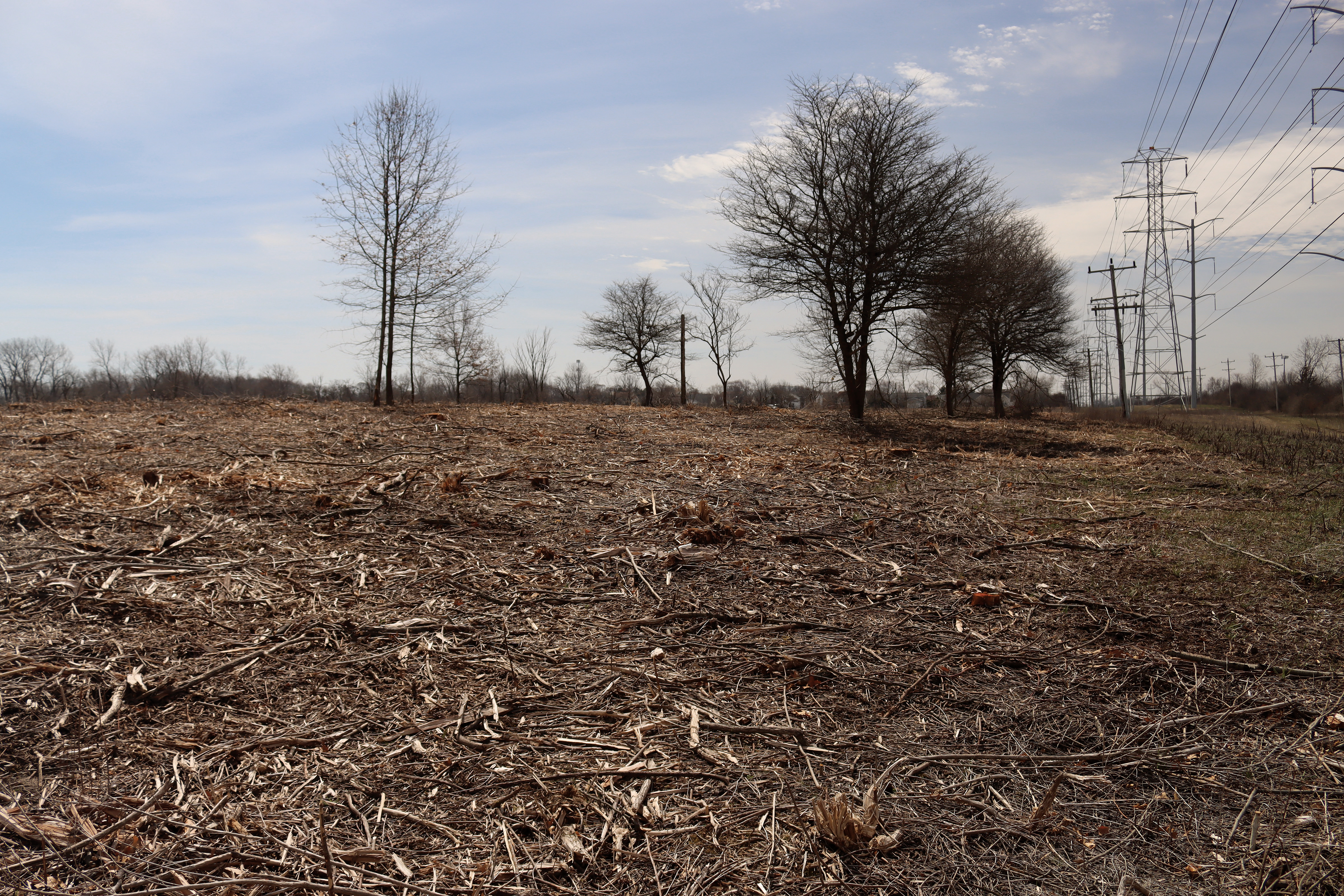
From a young age, we’re often taught that planting trees is good for the environment. So, why do we see large areas of trees sometimes removed from your forest preserves, leaving the land temporarily ragged and brown?

The answer is habitat restoration, a sequence of land management activities that improve the health, ecological function and diversity of species at a particular site, according to ecologists at the Lake County Forest Preserves. Sometimes that process involves removing non-native, invasive trees and other species.

During restoration efforts, you may see dramatic visual differences.

Two images showing a 40-acre area at Greenbelt Forest Preserve (North Chicago) during and after restoration.
Continue reading

Monitoring for the future

Post by Jen Berlinghof

It was a bone-chilling winter’s day at Captain Daniel Wright Woods in Mettawa—part of the Lake County Forest Preserves in northern Illinois—when a group of five gathered to monitor for the future. Our crew consisted of Restoration Ecologists Ken Klick and Dan Sandacz, Environmental Educator Eileen Davis, Environmental Communications Specialist Brett Peto and myself.

It’s all hands on deck for an ambitious new tree monitoring program with the lofty goal of sampling every woodland, upland forest and flatwoods habitat within the Forest Preserves every 10–15 years. Ken and Dan are spearheading this project.

In the field, the pair are like bookends. Ken has served 25 years at the agency, while Dan is fresh to the Forest Preserves, starting his tenure this past fall. The two have opted to take a collaborative approach, inviting volunteers from our Natural Resources and Education Departments to help with this significant undertaking.

A leisurely stream flows through Wright Woods in Mettawa. Photo © Lake County Forest Preserves.
Continue reading

Drought and maple syrup

With the recent snow and cold weather, last summer’s dry heat seems like a distant memory. Yet, it was only this past week that the National Weather Service officially changed its “moderate drought” designation to “abnormally dry” for most of Lake County, Illinois (although, a small northwest portion of the county is still considered to be in a “moderate drought”). While every drop of rain and flake of snow is helping to slowly ease our way out of the past eight months of drought, the damage already done will decide the sweetness of this spring.

Each spring for the past three decades, the naturalists at Ryerson Conservation Area have tapped sugar maple trees to harvest the sap and turn it into pure maple syrup.

Continue reading

Fast-forward fall

Even though Illinois recently received a break from this summer’s heat and drought, the precipitation deficit that remains statewide has kicked off autumn with atypical natural events. Thus far, the year 2012 has been the fourth driest on Illinois record. However, it has been raining acorns and fall colors have been peeking through the greenery since late August—three weeks earlier than usual. This fast-forward to fall is a tree’s way of protecting itself when water is in short supply. The vibrant color displays of autumn, which seem so lively, are actually a sign that a tree is entering dormancy.

These flashes of fall colors are a result of changes in pigments. The dominant green pigment in leaves is chlorophyll. The leaves in a tree are like little factories, mixing together a recipe of specific ingredients (sunlight, carbon dioxide and water) to make food for the tree’s growth. Chlorophyll acts as the “chef” in this process, called photosynthesis; its presence is necessary in bringing everything together.

Typically, autumn’s cool nights and shortening days trigger photosynthesis to slow down. The scarcity of one key ingredient, water, is triggering this earlier-than-average dormancy. As the work of the leaves comes to an end for the year, chlorophyll breaks down and reveals yellow and orange pigments that have hidden behind its green cloak all summer. Leaves that contain the pigments xanthophyll and carotene—as do hickories, cottonwoods, elms and some maples—will change to vivid shades of yellow and orange as the green fades. Continue reading