The Forest Preserves is an essential part of our community. Every acre of restored forest preserve land provides cleaner air, improved water quality, enhanced recreational and health benefits, habitat for pollinators, increased carbon storage and greater flood reduction.
But our restored lands face ongoing threats from invasive species, exotic pests and unpredictable weather. Today’s changing climate requires forward-thinking solutions and innovative, high-quality stewardship of the forest preserves to ensure they remain resilient in an uncertain future.
It was a bone-chilling winter’s day at Captain Daniel Wright Woods in Mettawa—part of the Lake County Forest Preserves in northern Illinois—when a group of five gathered to monitor for the future. Our crew consisted of Restoration Ecologists Ken Klick and Dan Sandacz, Environmental Educator Eileen Davis, Environmental Communications Specialist Brett Peto and myself.
It’s all hands on deck for an ambitious new tree monitoring program with the lofty goal of sampling every woodland, upland forest and flatwoods habitat within the Forest Preserves every 10–15 years. Ken and Dan are spearheading this project.
In the field, the pair are like bookends. Ken has served 25 years at the agency, while Dan is fresh to the Forest Preserves, starting his tenure this past fall. The two have opted to take a collaborative approach, inviting volunteers from our Natural Resources and Education Departments to help with this significant undertaking.
It’s a sunny July afternoon at a Lake County Forest Preserve in northern Illinois. The humidity is low and the breeze is just right. I’m poised over a patch of wild bergamot (Monarda fistulosa), furiously clicking away with my camera, hoping to get at least one image that will be clear enough for me to identify the native bumble bee feeding on the flower. If there’s a better way to spend a Saturday afternoon, I haven’t found it.
Fast forward to summer 2021. The hum continues to reverberate after multiple sightings of this keystone species were documented across the county from Flint Creek to Wadsworth Savanna in Wadsworth. While summer’s the height of hive activity, the shoulder seasons—usually defined as May, June, September and October—might be key to the success of the rusty patched bumble bee. This is partly due to the timing, or phenology, of the species’ lifecycle. It’s one of the first bees to emerge in spring and the last to enter hibernation in fall.
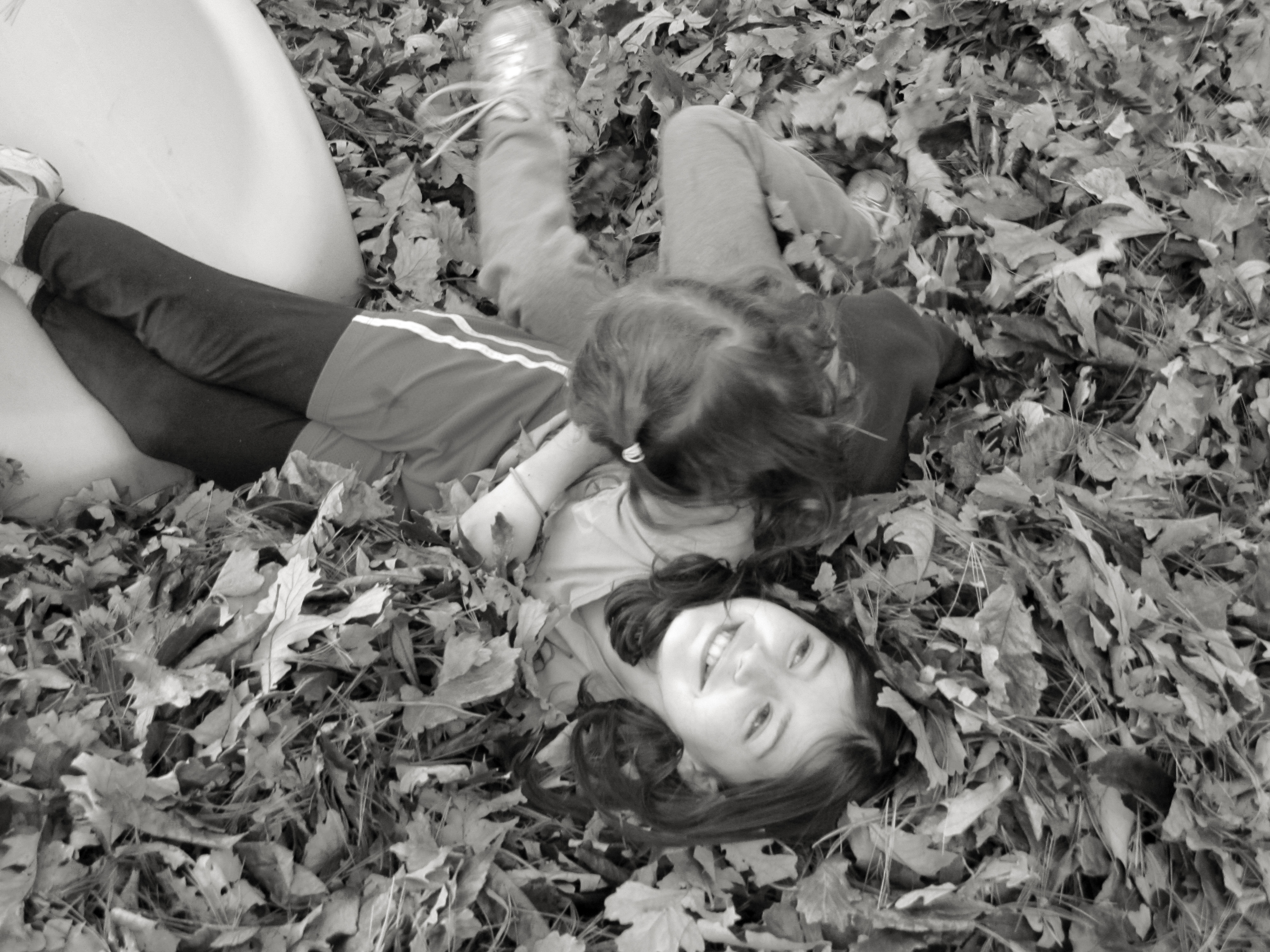
What is your earliest gardening memory? Was it planting a seed in a paper cup at school, and watching it sprout and grow on the classroom windowsill? Perhaps you gathered dandelion flowers and presented your mom with a beautiful, yellow bouquet. Or did you rake up a giant pile of leaves to jump in on a crisp fall day? You might even have visited the native garden at Independence Grove in Libertyville, part of the Lake County Forest Preserves in northern Illinois.
My earliest gardening memory is helping my aunt and uncle in their garden. I was only about four or five years old, but I clearly remember the prickly feeling of the cucumber vines scratching my forearm as I helped pull weeds. No matter the memory, we are all doing the same thing—tending to our little piece of the Earth. It’s something humans have done for thousands and thousands of years. We are and always have been dependent on our environment for survival.
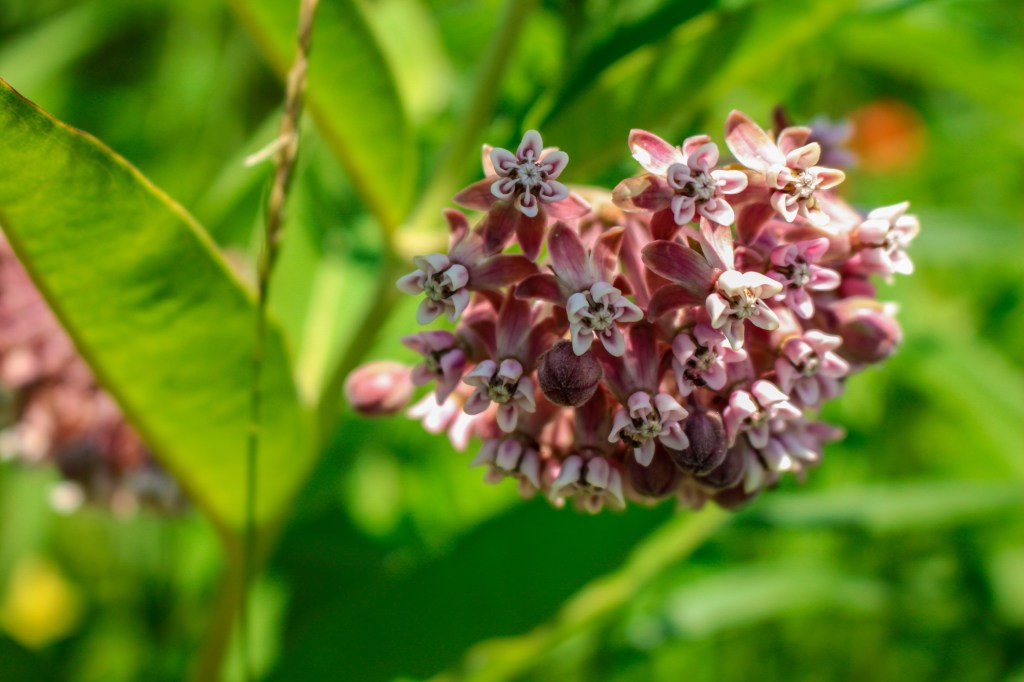
Being home more these past months has allowed my family copious time to observe the common milkweed (Asclepias syriaca) in our garden go through its life cycle day by day. We’ve witnessed the transformation from wily little sprouts in early summer to blooming beasts, with pompoms of eraser-pink flowers wafting perfume across the yard—even threatening to take over the footpath—by Fourth of July. Now in the sweet days of September, our milkweed is laden with swelling seed pods, ready to burst with floating seeds like so many little white parachutes scattered in the autumnal sky. The situation is similar in many of the Lake County Forest Preserves in northern Illinois.
The weather has varied a lot so far this spring. Minor snow squalls and hailstorms trade off with wonderfully warm, sunny days, which seem to call out, encouraging us to find the signs of spring. When the season brings all the beauty and promise of plants and flowers emerging from the winter, I feel as if I am seeing friends old and new once again. It’s rather comforting to know that regardless of what occurs in human society, spring carries on in the Lake County Forest Preserves in northern Illinois.
Many of the floral signs of spring are ephemeral, created by healthy populations of plant species that only emerge above ground for six to eight weeks—between the start of the spring warm-up and the closure of the canopy, when the trees grow a full set of leaves. Their live-fast lifestyle is an evolved response to their shade intolerance. Ephemerals need to finish flowering and fruiting while they have enough sunlight, and also put something away for a rainy day. They stash the sugar they make during photosynthesis in underground storage organs such as corms, bulbs, and rhizomes. The starchy carbon will see them through the winter into the next spring.
Some residents of our woodlands and prairies announce the arrival of spring in understated ways that require careful attention. The early-flowering harbinger of spring (Erigenia bulbosa), and later bloodroot (Sanguinaria canadensis), are two examples. Other signs of spring are exuberant and showy, such as the carpets of marsh marigold (Caltha palustris) at Ryerson Conservation Area in Riverwoods. And of course, no spring display is quite so welcome as large-flowered trillium (Trillium grandiflorum) in full bloom. (This sight is only possible when the white-tailed deer (Odocoileus virginianus) population is stable; otherwise these beautiful plants are eaten out of existence.)
Not all spring wildflowers are showy, though, and not all of them are ephemeral. Arriving later in the season, Jack-in-the-pulpit (Arisaema triphyllum) is one of the most common spring wildflowers in our woodlands. It’s usually entirely green in Lake County. Rarely, some maroon stripes may also be seen on the inflorescence, the reproductive portion of the plant.



 Lake County Nature