Every acre strong: The Community Campaign for Lake County Forest Preserves

Post by Brett Peto

This article appears in the spring 2025 issue of Horizons, the award-winning quarterly magazine of the Lake County Forest Preserves in northern Illinois.

every acre is ESSENTIAL

Since 1958, the Lake County Forest Preserves has stewarded public funds to protect, manage and restore more than 31,200 acres across 65 sites to provide a healthy, resilient home for 28,850 native plant, animal and insect species as well as miles of trails and countless experiences for all to enjoy.

The Forest Preserves is an essential part of our community. Every acre of restored forest preserve land provides cleaner air, improved water quality, enhanced recreational and health benefits, habitat for pollinators, increased carbon storage and greater flood reduction.

But our restored lands face ongoing threats from invasive species, exotic pests and unpredictable weather. Today’s changing climate requires forward-thinking solutions and innovative, high-quality stewardship of the forest preserves to ensure they remain resilient in an uncertain future.
Continue reading

Unraveling the science of habitat restoration

Guest post by Kim Mikus

This article appears in the summer 2024 issue of Horizons, the award-winning quarterly magazine of the Lake County Forest Preserves in northern Illinois.


From a young age, we’re often taught that planting trees is good for the environment. So, why do we see large areas of trees sometimes removed from your forest preserves, leaving the land temporarily ragged and brown?

The answer is habitat restoration, a sequence of land management activities that improve the health, ecological function and diversity of species at a particular site, according to ecologists at the Lake County Forest Preserves. Sometimes that process involves removing non-native, invasive trees and other species.

During restoration efforts, you may see dramatic visual differences.

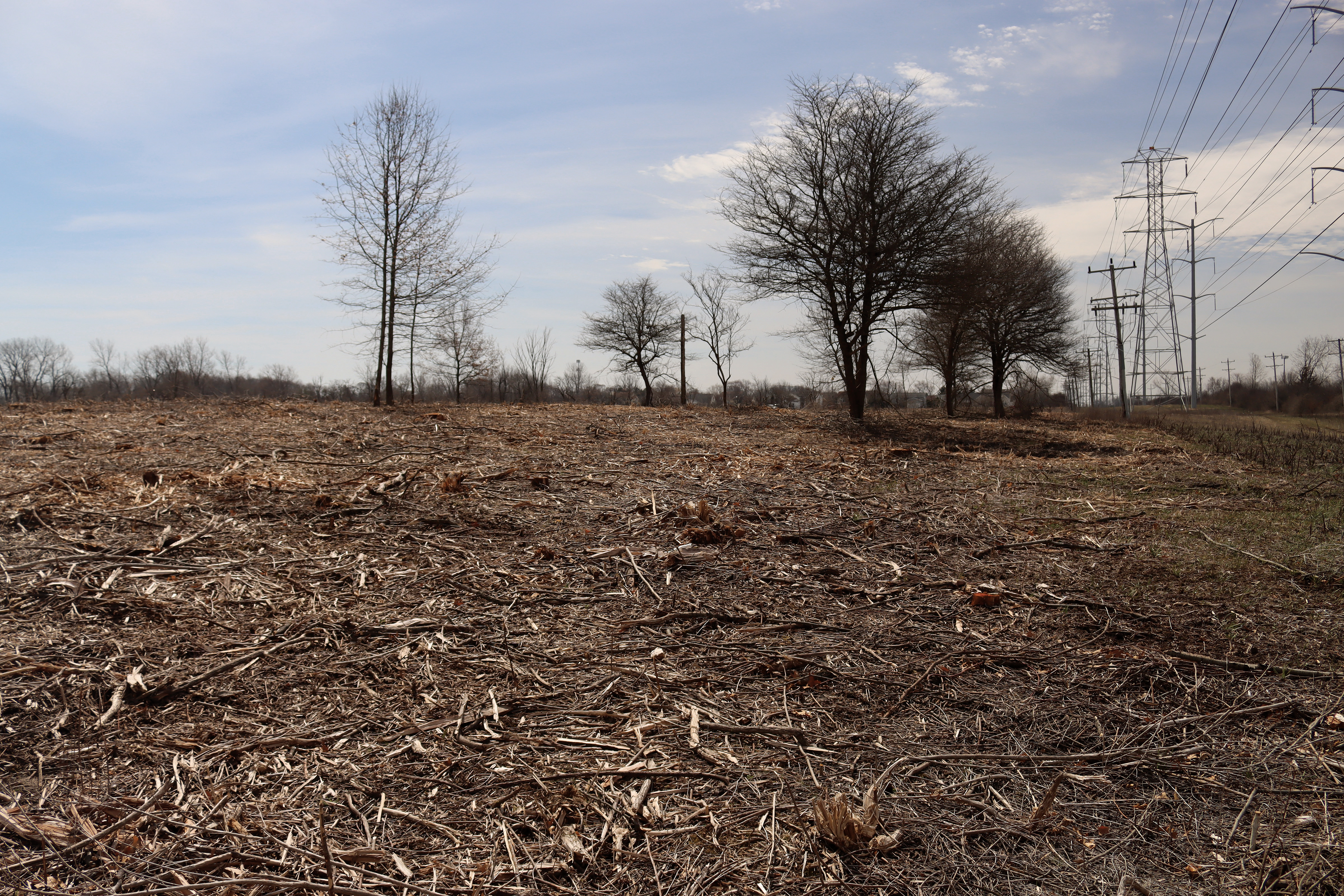
Two images showing a 40-acre area at Greenbelt Forest Preserve (North Chicago) during and after restoration.
Continue reading

On the path to recovery

Editor’s note: hello readers, Brett Peto here. Guest author Pati Vitt, Manager of Restoration Ecology at the Lake County Forest Preserves in northern Illinois, is back with the second of her three-part series about our research project to restore 180 acres of former farmland within Grant Woods Forest Preserve using a climate-adapted, regionally sourced native seed mix.

An aerial view of the 180-acre research project area at Grant Woods in Ingleside. Photo © Mike Borkowski.
Continue reading

Growing through change

Editor’s note: hello readers, Brett Peto here. This month, we’ve opened up the floor to guest author Pati Vitt, Manager of Restoration Ecology. She’s here to discuss a recent virtual workshop we held as part of our research project to determine best seed sourcing practices for climate resiliency.

“We know that by 2050, our climate is predicted to be more like Oklahoma,” says Pati. So, we need to understand whether we should source seeds from further south to make our restoration projects more resilient to climate change. To help determine this, we’re procuring 800 pounds of native grass seed from southern Illinois and Kentucky.

This November, we’ll plant those seeds in 180 acres of former agricultural fields at Grant Woods in Ingleside. Then we’ll monitor and compare each species’ growth to seeds sourced from our area. I’ll let Pati pick it up from here.

A portion of the research project area at Grant Woods. Photo © Lake County Forest Preserves.
Continue reading

Wood frogs found!

Discovery is often about being in the right place at the right time. This is exactly what happened recently when a wildlife biologist for the Lake County Forest Preserves was in the right woodland on the right spring day. While monitoring wildlife, a biologist heard sounds from the elusive wood frog (Rana sylvatica). The duck-like breeding calls made by male wood frogs had not been heard in Lake County, Illinois since the late 1980s. This discovery is the first sign of victory following extensive habitat restoration and recent species reintroduction efforts.

Continue reading